




1. The Unbelievable Variety
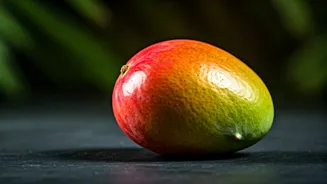
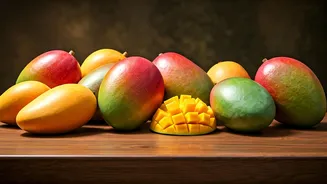
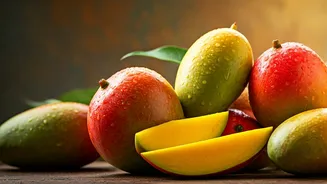
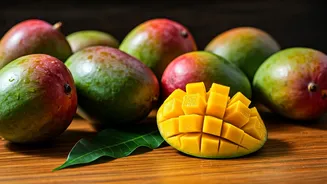
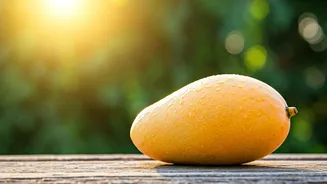
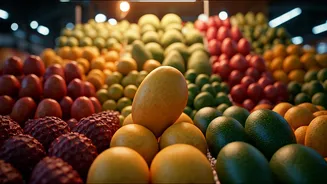
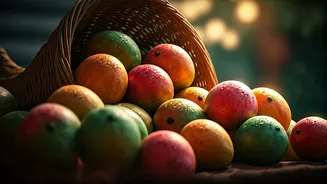
Forget the one or two types of mango you see at your local grocery store. India is home to over 1,500 varieties, each with its own unique flavor profile, texture, and aroma. From the syrupy sweet Alphonso in the west to the tart and tangy Dasheri in the north,
summer is a cross-country tasting tour. This isn't just choice; it's a celebration of biodiversity you can taste, turning every market visit into a treasure hunt.
2. The King: Alphonso
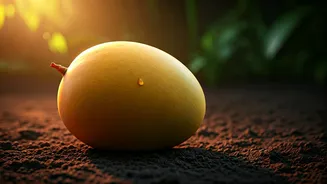
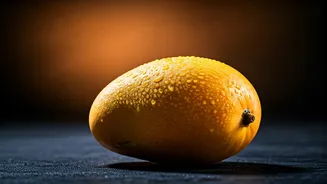
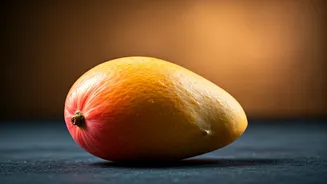
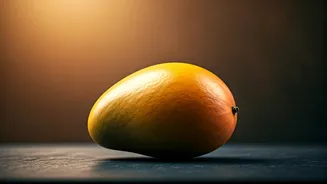
If India’s mangoes have a king, it’s the Alphonso, or 'Hapus.' Grown primarily in the coastal regions of Maharashtra, this variety is a national treasure. It’s not just sweet; it's complex, with notes of honey, citrus, and a hint of spice. Its creamy, non-fibrous flesh melts in your mouth, and its saffron-colored skin signals peak perfection. For a few short weeks, procuring a box of authentic Alphonsos becomes a point of pride and a delicious mission.
3. The Ritual of Aamras Puri
Mangoes aren't just eaten; they're transformed. The most iconic summer dish is 'Aamras Puri'—a simple yet divine creation. 'Aamras' is pure mango pulp, silky and golden, often lightly scented with cardamom or ginger. It’s served with 'puri,' a hot, puffy, deep-fried bread. Dipping the savory, airy bread into the sweet, cool pulp is a sensory experience that defines comfort food for millions. It’s a meal that is both a treat and a tradition.
4. The Perfect Way to Cool Down
When Indian summers hit triple-digit temperatures, mangoes are the ultimate refreshment. Nothing beats a chilled mango lassi, a yogurt-based smoothie that’s both cooling and satisfying. Another summer staple is 'Aam Panna,' a tangy, spiced drink made from raw, green mangoes. It's revered not just for its taste but for its hydrating properties, believed to help the body combat the intense heat. It's nature's own sports drink.
5. A Direct Link to Childhood
For many Indians, the taste of mango is inseparable from memories of childhood. It's the flavor of summer vacation, of climbing trees in a grandparent's garden, or of siblings competing to see who could eat the most. The annual arrival of mangoes heralds a period of freedom, family, and simple joys. Every bite is a taste of pure, unadulterated nostalgia.
6. The Joy of Eating Messily
There is a proper way to eat a mango, and it involves abandoning all decorum. The best way is often with your hands, juice dripping down your arms, face sticky and smiling. It's a tactile, primal experience that connects you directly to the fruit. In a world of forks and knives, the permission to get a little messy and enjoy something so completely is a liberating summer ritual.
7. Mangoes are a Social Event
Mangoes are meant to be shared. Families gather to slice and share the first box of the season. Neighbors exchange different varieties from their native villages. Office lunch breaks turn into mango-tasting sessions. Gifting a box of premium mangoes is a gesture of love and respect. The fruit is a social lubricant, bringing people together in a shared appreciation for its seasonal magic.
8. They’re Not Just for Dessert
While the ripe, sweet mango gets all the glory, its sour, unripe sibling is the star of India’s savory palate. Raw mango is the key ingredient in countless chutneys, pickles ('achaar'), and curries. Its tartness provides a brilliant counterpoint to spices, adding a bright, acidic kick to rich dishes. From lentil stews (dals) to fish curries, the green mango proves its versatility across the Indian kitchen.
9. The Beauty of a Fleeting Season
Part of the mango’s power is its scarcity. The peak season lasts only a few months, from roughly March to July. This limited window creates a sense of urgency and excitement. You have to enjoy them while you can, before the monsoon rains wash them away for another year. This fleeting nature makes every mango eaten feel special, a delicious moment seized in time.
10. It’s Literally the National Fruit
In case there was any doubt about its status, the mango is the official National Fruit of India. This isn't just a fun fact; it's a recognition of the fruit's deep-rooted significance in the country's culture, history, and daily life. It’s a symbol of abundance, prosperity, and the sweetness of life itself, woven into the fabric of the nation for centuries.