






What ‘Human-Grade’ Actually Means
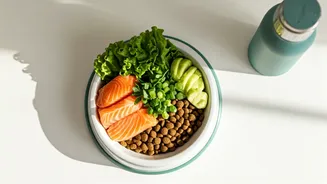
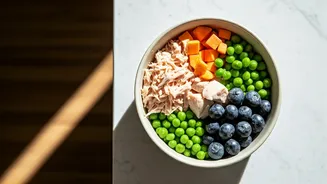
First, let's clear up the biggest misconception. "Human-grade" isn't just a breezy marketing term. For a pet food company to legally use it, it must follow strict federal regulations. According to the Association of American Feed Control Officials (AAFCO),
which sets the standards for pet food in the U.S., every ingredient in the food—and the final product itself—must be stored, handled, processed, and transported in a way that is legally suitable for human consumption. This means it has to be made in a facility licensed to produce human food, not a feed plant. It’s a high bar that separates these products from traditional kibble, which is classified as “feed-grade.” While feed-grade food is safe for pets, it can legally contain materials from animals that are sick or have died by means other than slaughter—things that would never be allowed in the human food chain.
The Rise of the Fur Baby
So why are people suddenly willing to shell out for food that's technically fit for their own dinner table? The answer lies in a cultural shift known as the “humanization” of pets. A huge number of pet owners, particularly Millennials and Gen Z, view their dogs and cats not just as animals, but as children or integral members of the family. This emotional bond changes spending habits. If you're eating clean, organic, whole foods yourself, the thought of feeding your beloved “fur baby” a brown pellet made from processed meat meals and fillers can feel wrong. The human-grade pet food market taps directly into this desire to provide the best, mirroring the wellness trends we see in our own lives. It's less about luxury and more about extending a philosophy of health and care to every member of the household, paws and all.
The Potential Perks for Your Pet
Proponents of human-grade diets argue that the benefits go beyond peace of mind for the owner. They claim these foods, which often come fresh, frozen, or dehydrated, offer superior nutrition. Because the ingredients are less processed and start from a higher-quality source (think whole chicken breasts instead of poultry by-product meal), they may be more digestible. This can lead to better nutrient absorption, improved energy levels, healthier skin and coat, and even smaller, less odorous stools—a tangible benefit any dog owner can appreciate. Furthermore, these recipes often contain fewer artificial preservatives, colors, and fillers like corn or soy, which some owners blame for allergies and digestive issues in their pets. The logic is simple: real, whole food is better for them, just as it is for us.
The Vets’ View and Key Caveats
While the idea is appealing, many veterinarians urge a more measured approach. The term “human-grade” speaks to the safety and sourcing of ingredients, but it doesn’t automatically guarantee that a food is nutritionally superior. The most important factor for your pet’s health is that their diet is “complete and balanced,” meaning it contains all the essential nutrients in the correct ratios for their life stage. Many traditional feed-grade kibbles from large, reputable manufacturers have decades of scientific research and feeding trials behind them to prove their nutritional adequacy. Some veterinary nutritionists worry that newer, boutique human-grade brands may lack this rigorous scientific validation. They caution owners not to be swayed by marketing alone and to ensure any food they choose meets AAFCO’s nutritional standards for a complete and balanced diet.
The Price Tag Problem
Ultimately, the decision often comes down to your wallet. There's no getting around it: human-grade pet food is significantly more expensive than traditional kibble. The higher-quality ingredients and more complex manufacturing and shipping processes (especially for fresh food that requires refrigeration) add up. For a large dog, the monthly cost can run into the hundreds of dollars, making it a non-starter for many households. This is where you have to weigh the potential benefits against the concrete costs. If a premium kibble from a trusted brand provides complete nutrition and fits your budget, it can be an excellent choice. If you have the means and believe in the whole-food philosophy, a human-grade option might be the right fit.