


So, What Is Ancestral Eating?
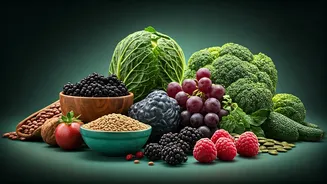
At its heart, ancestral eating is a philosophy, not a rigid set of rules. It champions eating whole, unprocessed, nutrient-dense foods that have been staples of human diets for millennia. Think less about counting calories and more about food quality
and historical precedent. Unlike its more famous cousin, the Paleo diet—which focuses on a hypothetical Stone Age menu—ancestral eating is often more personal. It can mean reconnecting with the specific food traditions of your own heritage, whether that’s the sourdough and fermented cabbage of Eastern Europe or the corn and squash of the Americas. The core idea is to reverse-engineer a healthy diet by looking at what humans thrived on before the age of factories and fast food.
The Old Foods Making a Comeback
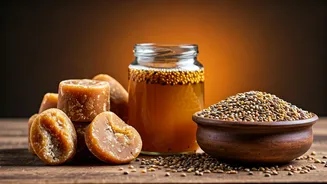
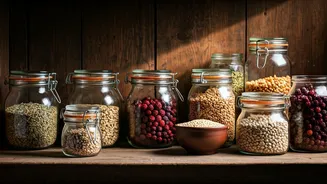
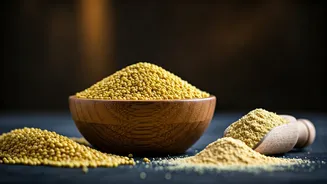
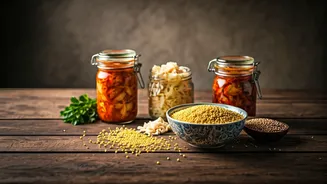
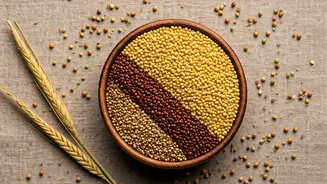
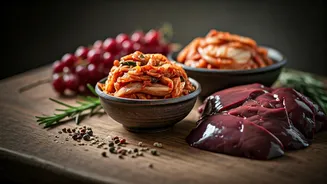
This trend is putting some previously neglected items back on the menu. Bone broth was the gateway, but the movement now goes much further. Organ meats, once a common and respected part of the American diet, are being rebranded as “superfoods.” Liver, rich in vitamin A and iron, is showing up in high-end butcher shops and on influencer cooking channels. Fermented foods are having a major moment, moving beyond hipster kimchi to include things like kefir (a tangy yogurt drink), raw sauerkraut, and kombucha. The focus is on natural probiotics for gut health. Even ancient grains that pre-date modern wheat, like sorghum and amaranth, are finding a new audience, alongside wild-caught fish and pasture-raised eggs. It’s a “nose-to-tail,” “root-to-leaf” approach that values the entire food source.
A Reaction to Modern Life
Why is this happening now? In many ways, the turn towards ancestral eating is a direct reaction against the modern food system. After decades of being told to eat low-fat, high-carb, or scientifically engineered meal replacements, many Americans are exhausted and confused. The rise of ultra-processed foods has been linked to a host of chronic health issues, and ancestral eating offers a simple, if romanticized, alternative: eat real food. This search for authenticity is a powerful driver. In a world of digital disconnection and globalized supply chains, preparing a meal with historical roots can feel like a profound act of connection—to the earth, to family history, and to a more “primal” version of oneself.
Health Claims and Healthy Skepticism
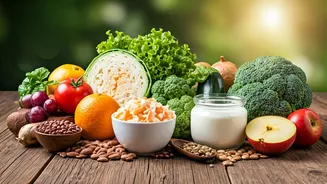
Proponents of ancestral diets point to a range of potential benefits, from improved digestion and clearer skin to increased energy and reduced inflammation. The emphasis on nutrient-dense foods like organs and healthy fats from grass-fed animals certainly provides vitamins and minerals often lacking in the standard American diet. Similarly, the focus on fermented foods aligns with growing scientific interest in the gut microbiome’s role in overall health. However, it’s wise to approach grand claims with a dose of skepticism. Nutrition science is complex, and there is no single “perfect” diet for every person. Dietitians often caution that while a whole-foods approach is beneficial, demonizing entire food groups like grains or legumes isn't necessary for most people. The key takeaway is often less about the “ancestral” label and more about the shift away from processed junk.