


Meet Your “Second Brain”
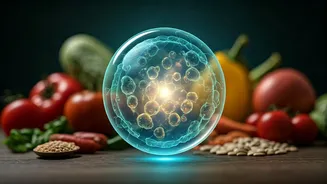
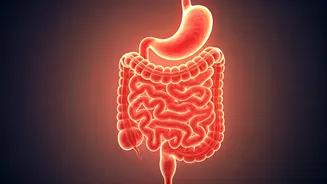
The biggest reason for the gut health boom is a shift in scientific understanding. For decades, we thought of the gut as a simple plumbing system for digestion. But researchers now know it's incredibly complex, housing trillions of microorganisms—bacteria,
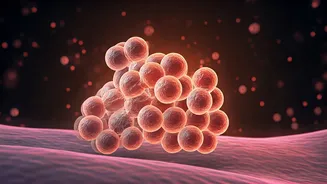
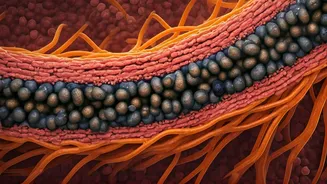
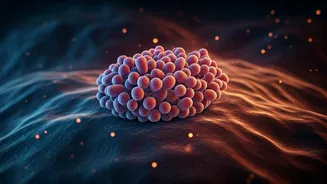
fungi, and viruses—collectively known as the gut microbiome. This ecosystem is so influential that scientists have nicknamed it our “second brain.” Why? Because the gut is intricately connected to nearly every other system in the body through the gut-brain axis. Emerging research suggests that the health of your microbiome can influence not just digestion but also your immune system, your mood, and even your skin. When you hear someone on TikTok talking about how changing their diet improved their anxiety or cleared up their acne, this is the connection they’re tapping into. The idea that what you eat does more than just affect your weight—it can fundamentally shape how you feel—is a powerful one, and it’s at the core of this trend.
Beyond Calories and Restriction
For years, popular diets in the U.S. were defined by what they cut out: fat, carbs, sugar, or gluten. Wellness was often framed as a battle of restriction and willpower. The gut health movement represents a significant philosophical change. Instead of focusing on what *not* to eat, the emphasis is on what you can *add* to your diet to nourish the beneficial bacteria living inside you.
This is a more holistic and less punishing approach to food. The goal isn’t necessarily weight loss, but rather overall well-being—better energy, clearer thinking, and a calmer digestive system. This shift appeals to a generation weary of restrictive diet culture. It reframes healthy eating as an act of cultivation, like tending a garden. You’re not just fueling your body; you’re feeding an entire internal ecosystem that works to keep you healthy.
When Tummy Aches Go Viral
You can't talk about a modern trend without talking about social media. On platforms like TikTok, the phrase “hot girls have stomach problems” became a viral, tongue-in-cheek rallying cry that destigmatized common issues like bloating, IBS, and food sensitivities. For the first time, millions of people—mostly young women—were openly discussing digestive woes that were previously considered embarrassing or private.
This online community created a massive, decentralized conversation about solutions. Influencers share their “what I eat in a day for gut health” videos, post reviews of probiotic supplements, and share recipes for kimchi and kombucha. This constant, accessible stream of information has turned a niche health topic into a mainstream cultural phenomenon. It created a built-in market for gut-friendly products and made complex scientific ideas feel personal and actionable.
What 'Gut-Friendly' Actually Means
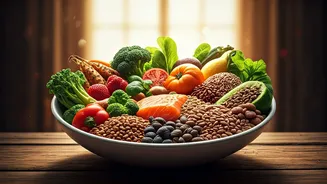
So, what are people actually eating? The gut-friendly diet isn’t one specific plan but rather a set of principles focused on a few key components.
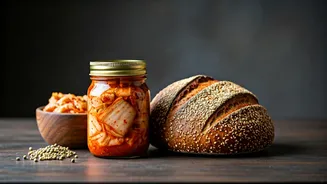
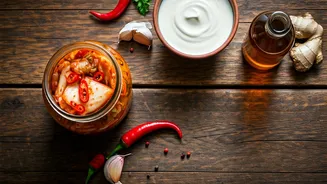
**Probiotics** are the “good” live bacteria themselves, found in fermented foods like yogurt, kefir, kimchi, sauerkraut, and kombucha. The idea is to introduce more beneficial microbes to your system.
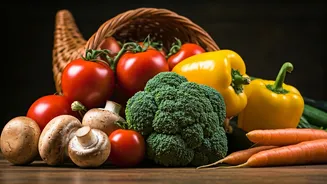
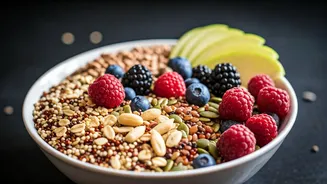
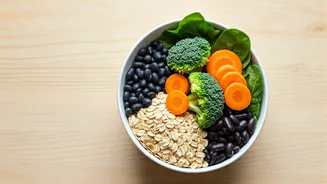
**Prebiotics** are the food for these good bacteria. They are types of fiber found in foods like onions, garlic, bananas, oats, and asparagus. Essentially, prebiotics help the good bacteria you already have to thrive.
Together, the goal is to increase the diversity of your microbiome. A more diverse gut ecosystem is generally considered a healthier and more resilient one. That’s why you’re seeing grocery store shelves fill up with everything from high-fiber cereals to dozens of different kombucha flavors—brands are racing to meet the new demand for foods that feed our inner garden.