


The Tyranny of the Perfect Vegetable
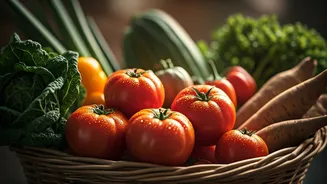
Walk through any American supermarket, and you’ll see a carefully curated vision of agricultural perfection. Apples are uniformly round and rosy, carrots are straight and tapered, and tomatoes are plump and unblemished. This aesthetic standard, however,
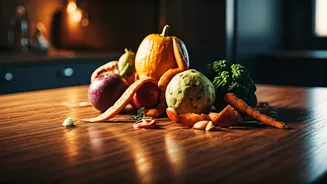
comes at an enormous cost. The U.N. Food and Agriculture Organization estimates that up to 40% of produce is discarded before it ever reaches a store, often for purely cosmetic reasons. A carrot with two “legs,” a tomato with a sun scar, or a potato that’s just a little too lumpy is deemed unsellable. This is the world of “ugly produce,” a catch-all term for fruits and vegetables that are perfectly edible and nutritious but fail to meet the strict cosmetic criteria of major retailers. For decades, these agricultural misfits were destined for the landfill or, if they were lucky, animal feed. But a new movement, driven by sustainability-minded chefs and consumers, is reframing these ingredients not as waste, but as an opportunity.
A Source of Culinary Creativity
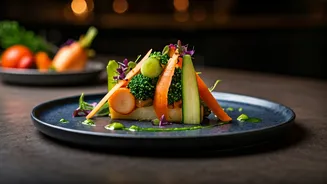
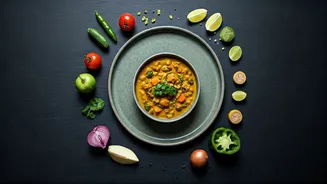
For a chef, a box of gnarled carrots and misshapen bell peppers isn’t a problem; it’s a creative prompt. While a perfectly uniform vegetable is ideal for making identical, aesthetically pleasing cuts, ugly produce forces a different kind of thinking. It pushes chefs away from rote preparation and toward technique and transformation. That twisted carrot might not be suitable for perfect little tourné cuts, but it’s perfect for a deeply flavorful puree, a rich stock, or a sweet, earthy soup. Those slightly bruised tomatoes can be slow-roasted into a complex, concentrated sauce. An overripe persimmon becomes the base for a stunning sorbet or a tangy gastrique. By taking perfect appearance off the table, chefs are free to focus entirely on extracting the maximum amount of flavor. This constraint breeds innovation, leading to dishes that are often more texturally complex and deeply satisfying than their more conventionally sourced counterparts.
Where True Flavor Comes From
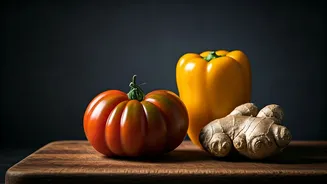
One of the best-kept secrets of the food world is that ugly produce is often more delicious. The cosmetic perfection demanded by supermarkets is frequently achieved through farming practices that prioritize appearance and transportability over taste. A fruit or vegetable that has struggled a bit—enduring more sun, less water, or imperfect soil—often develops more concentrated sugars and a more complex flavor profile. Think of a gnarly, sun-scarred heirloom tomato from a local farm versus a perfectly round, pale-red supermarket tomato. The former’s imperfections are a testament to its life in the sun, and its flavor is almost always superior. Chefs know this intuitively. They are hunters of flavor, and they are increasingly finding it in the produce that others reject. By building relationships with farmers, they can rescue these flavorful outcasts, often at a lower cost, and pass that superior taste and value on to the diner.
The Story on the Plate
In today’s dining landscape, a meal is more than just food; it’s a story. Diners are more curious than ever about where their food comes from and the philosophy of the kitchen preparing it. A menu that proudly incorporates “farm misfits” or “rescued vegetables” tells a powerful story of sustainability, resourcefulness, and a commitment to flavor above all else. It immediately signals to the guest that the chef is thoughtful, principled, and connected to the food system. This narrative adds a layer of value to the dining experience. Knowing that the delicious carrot soup you’re eating helped reduce food waste and supported a local farmer makes it taste that much better. It transforms a simple meal into an act of conscious consumption, allowing diners to feel good about their choices without sacrificing a single ounce of pleasure. It’s a trend that makes the entire food system more efficient and the chef’s menu infinitely more interesting.