


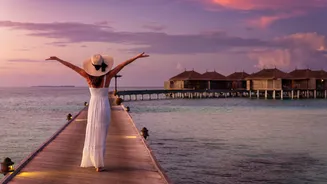
From Escapism to Restoration
For decades, the classic American vacation was a form of escape. We fled our cubicles for packed itineraries, chasing thrills, sights, and a temporary reprieve from reality. The goal was distraction. But a new philosophy is quietly reshaping why and how
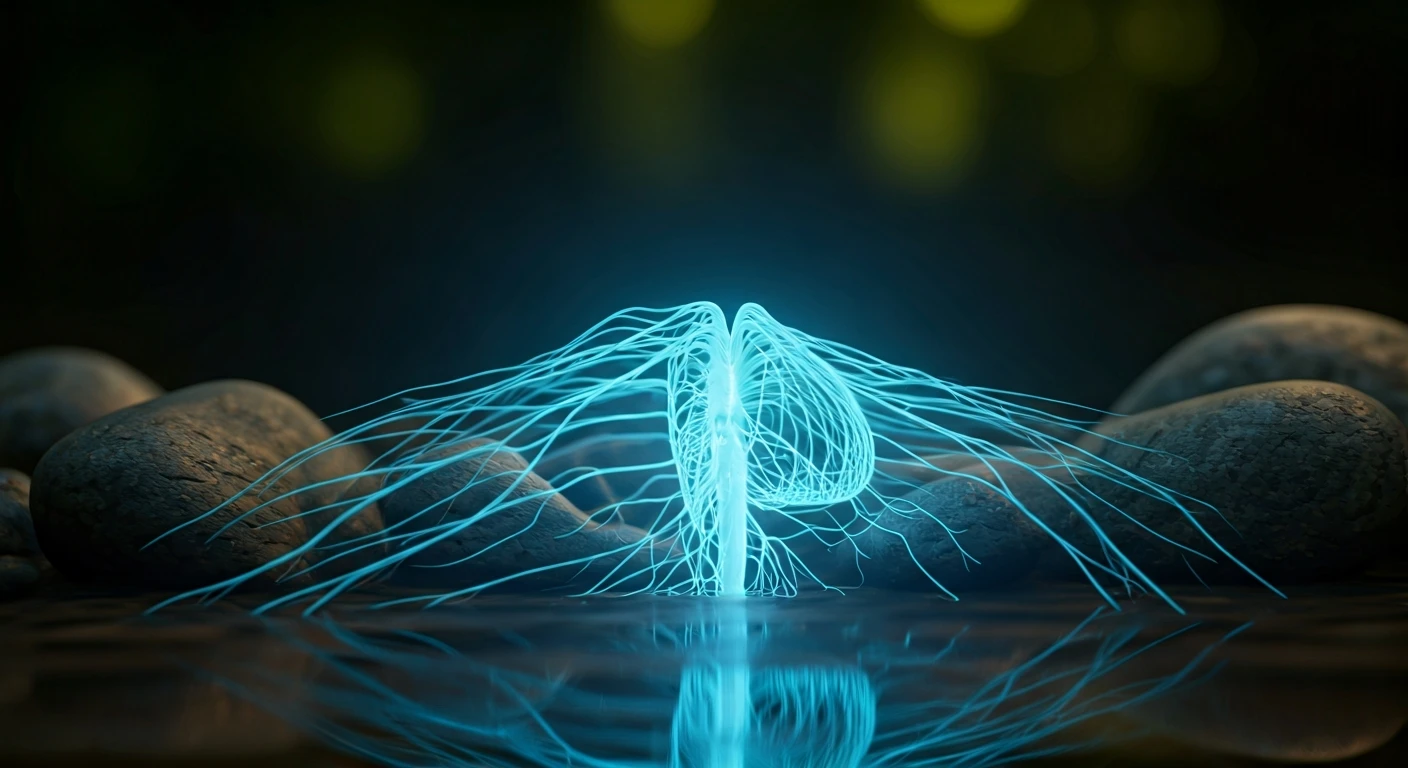
we travel. In an era of chronic stress and digital overload, a growing number of people are seeking something deeper than a simple break. They’re seeking restoration. This isn’t just about feeling relaxed for a week; it’s about actively retraining the body’s stress-response system. The new travel souvenir isn't a physical object, but a biological state—a nervous system that has learned to exist in a calmer, more balanced gear, long after the suitcase is unpacked.
A Crash Course in Calm
So what does regulating your nervous system even mean? Think of it like this: your autonomic nervous system has two main modes. The first is the sympathetic system, our “fight-or-flight” response. It’s what floods you with cortisol and adrenaline when you have a deadline, get cut off in traffic, or doomscroll through bad news. It’s designed for short-term survival, but modern life keeps it perpetually switched on. The second is the parasympathetic system, our “rest-and-digest” mode. It lowers your heart rate, aids digestion, and promotes a sense of calm and safety. The goal of nervous system-focused travel isn't to eliminate stress entirely, but to intentionally activate the parasympathetic state. It’s about creating an environment where your body can remember how to switch off the alarm and embrace stillness.
What 'Calmer Travel' Looks Like
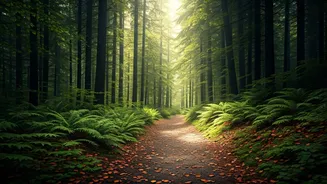
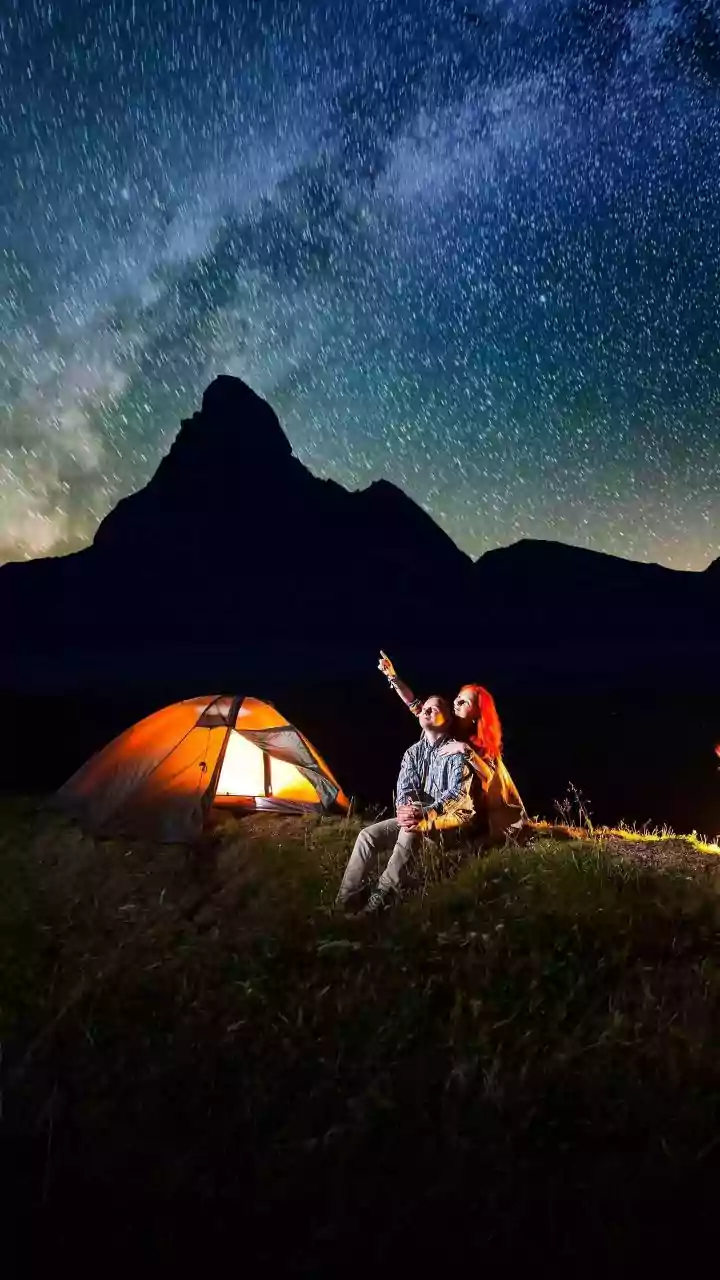
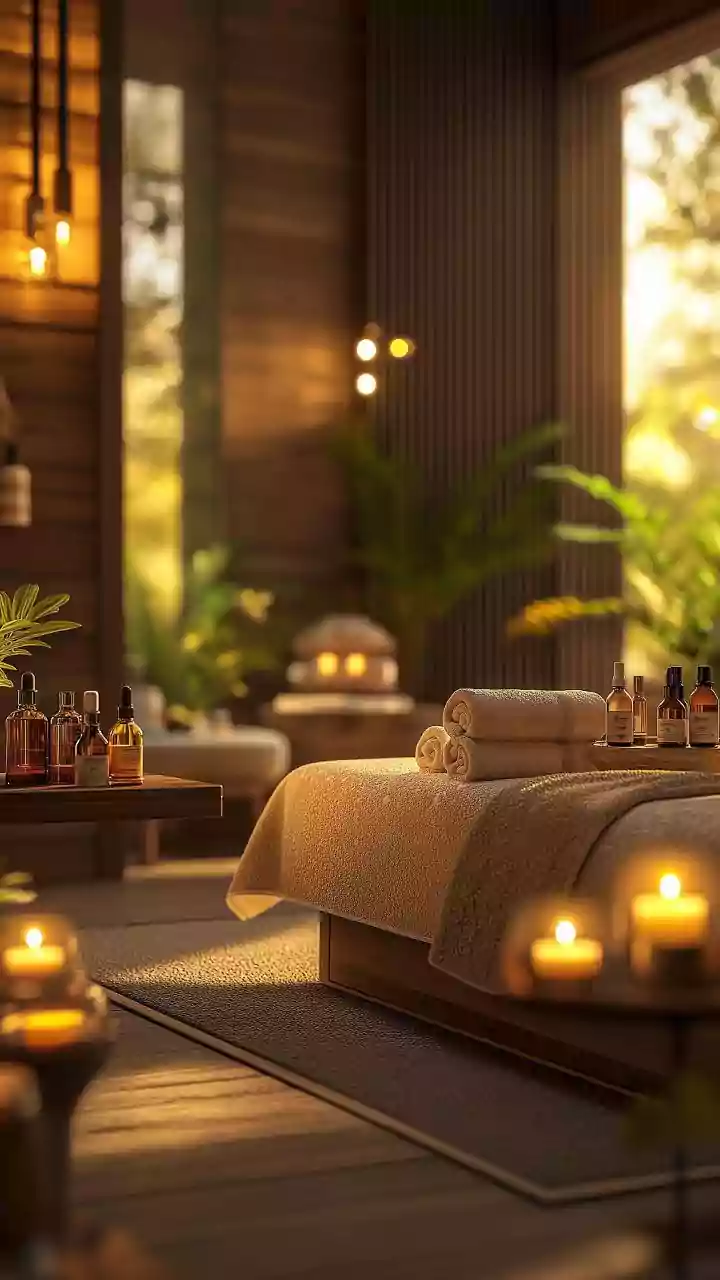
This kind of travel looks different from a whirlwind European tour or a boisterous all-inclusive resort. It's often slower, quieter, and more sensory. Think of a silent retreat in the deserts of New Mexico, where the absence of conversation allows the mind to settle. Or a guided ‘forest bathing’ (shinrin-yoku) trip in the Great Smoky Mountains, where the focus is on mindfully absorbing the sights, sounds, and smells of nature. Wellness resorts are also adapting, moving beyond massages and facials to offer sound baths, breathwork classes, and even technology-free zones that gently force you to disconnect. The itinerary isn't about what you’ll *do* but how you’ll *feel*. The activities are tools—ways to guide your body back to its natural, restful baseline.
The Souvenir You Carry Within
The most compelling aspect of this trend is its staying power. A tan fades and a t-shirt gets lost in the laundry, but the benefits of a regulated nervous system can be integrated into daily life. When you spend a week practicing slowness, being in nature, or focusing on your breath, you’re not just relaxing—you’re creating new neural pathways. You’re learning what true rest feels like in your body. This makes you more resilient to stress upon your return. You might find yourself less reactive to a frustrating email or better able to fall asleep at night. The vacation becomes less of a temporary patch and more of a training ground. The souvenir is the newfound ability to access that inner calm, even when you're back in the thick of it.