



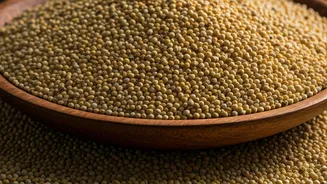
So, What Are These “Smart Grains”?
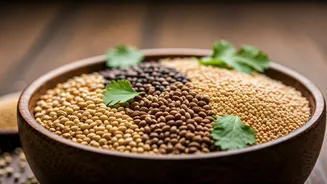
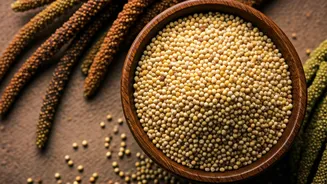
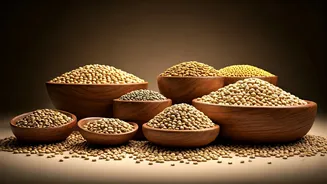
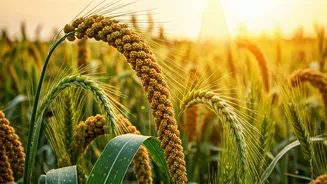
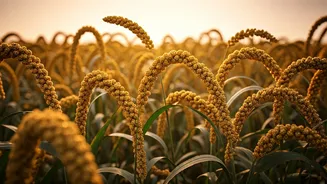
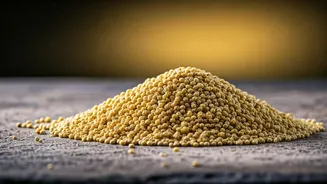
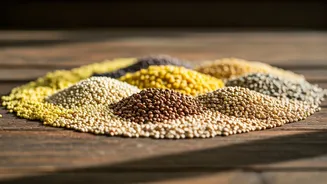
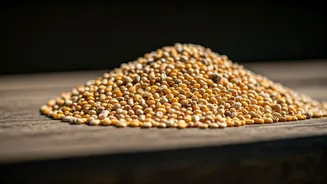
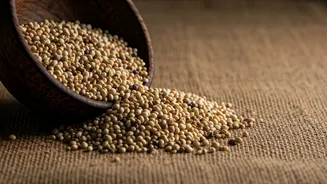
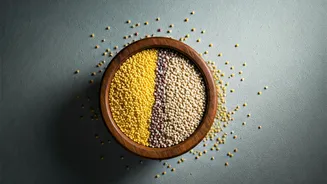
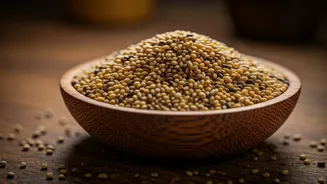
Chances are you’ve seen them without knowing it, perhaps in the birdseed aisle or as a niche gluten-free option. We’re talking about millets. These aren’t a single grain but a family of small-seeded grasses that have been cultivated for thousands of years
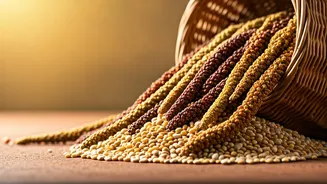
in Africa and Asia. In India, they’re often called “nutri-cereals” or, more compellingly, “smart grains.” Varieties like pearl millet (bajra), finger millet (ragi), and sorghum (jowar) were once staples of the Indian diet before the Green Revolution of the 1960s prioritized high-yield wheat and rice. While those staples fed a nation, they also pushed these ancient, nutrient-dense grains to the margins. Now, after decades in the background, they’re making a major comeback, moving from rural tradition to urban chic. Think of them as the original heritage grains, long before that term became a foodie buzzword.
Why the Sudden Comeback in India?
This isn't a simple case of a trend bubbling up on social media. The millet revival in India is a perfect storm of government policy, health consciousness, and environmental necessity. The Indian government, in a massive push, has been championing these grains as a solution to several national challenges. They even successfully lobbied the UN to declare 2023 the “International Year of Millets.” For a growing urban middle class, millets offer a powerful answer to lifestyle diseases. As rates of diabetes and gluten sensitivity rise, the low-glycemic, high-fiber, and naturally gluten-free profile of these grains is incredibly appealing. Chefs in Mumbai and Delhi are now crafting everything from millet risotto and sorghum bread to ragi-based brownies, transforming them from humble porridge into premium ingredients. It’s a full-scale culinary and cultural rediscovery.
The “Smart” in Smart Grains
The “smart” label isn’t just clever marketing; it refers to a dual benefit for both personal and planetary health. Nutritionally, millets are powerhouses. Compared to refined wheat and white rice, they are packed with more protein, fiber, vitamins, and minerals like iron and calcium. Their complex carbohydrates break down slowly, which helps manage blood sugar levels and keeps you feeling full longer—a major win for anyone watching their weight or health. But the real genius lies in how they grow. Millets are famously climate-resilient. They are drought-resistant, require a fraction of the water needed for rice or wheat, and can thrive in poor soil without heavy reliance on fertilizers. In an era of climate change and water scarcity, a crop that is both more nutritious and less demanding on the environment is, frankly, a genius-level solution. They don’t just feed people; they help secure the future of food.
From Indian Fields to American Kitchens
While India is the epicenter of this revival, the trend is quietly taking root in the U.S. You don’t have to look too hard to find it. Brands like Bob’s Red Mill have sold millet for years, but now you’re seeing it pop up in more mainstream products, from puffed cereal to multigrain bread mixes. Health-conscious American consumers, already familiar with the benefits of ancient grains like quinoa and farro, are the perfect audience. The story behind millets—ancient, sustainable, nutrient-dense—is exactly what they’re looking for. Wondering how to try it? It's simpler than you think. You can cook whole millet just like rice for a fluffy, slightly nutty side dish. Millet flour can be blended with other flours for baking, and puffed millet makes a great crunchy topping for yogurt or salads. As more chefs start experimenting with it, expect to see it featured on menus as a smart, sophisticated alternative to the usual starches.