






The European Dream vs. The Visa Reality
For decades, a trip to Europe has been a powerful status symbol for India’s burgeoning middle and upper classes. It’s a rite of passage, signifying success and a global outlook. Photos in front of the Eiffel Tower or the Colosseum are more than just vacation
snaps; they are cultural currency. But recently, that dream has been colliding with a frustrating reality: the Schengen visa process. To visit 29 European countries, Indian passport holders need this single visa. In theory, it’s a streamlined system. In practice, especially since the post-pandemic travel surge, it has become a formidable barrier. Aspiring tourists from hubs like Chennai face a gauntlet of sold-out appointment slots, mountains of paperwork, long processing times, and an unnerving uncertainty about whether their application will even be approved. It’s like wanting to go to the world’s best party but finding the door guarded by an impossibly slow, unpredictable bouncer.
The Allure of the Red Carpet
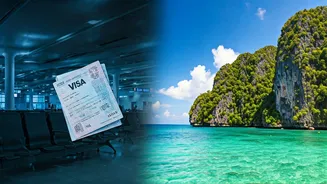
While Europe has made itself harder to access, other countries have been rolling out the red carpet. Seeing a golden opportunity, nations across Southeast Asia and the Middle East are aggressively courting Indian tourists. Countries like Thailand, Malaysia, and Sri Lanka have recently announced visa-free entry for Indian passport holders. Others, like Vietnam and Indonesia, offer simple and quick visa-on-arrival or e-visa systems. The contrast is stark. Instead of months of planning and anxiety, a trip to Phuket or Bali can be booked almost on a whim. These destinations aren't just passively available; they are actively competing for the Indian tourist dollar. They understand that for many, the best vacation is one that begins with ease, not a bureaucratic headache. This proactive hospitality is proving to be a powerful draw for Chennai travelers who would rather spend their time and money on experiences, not paperwork.
What 'Simpler' Really Means
The desire for simpler alternatives goes beyond just avoiding visa queues. For travellers from Southern India, Southeast Asia offers a compelling blend of the exotic and the familiar. Flights are shorter and more affordable, a crucial factor when a family is traveling. The time difference is manageable, meaning less jet lag and more vacation time. But the appeal is also cultural. The abundance of rice-based cuisines, the warm climate, and the strong emphasis on hospitality can feel more intuitive and comfortable than navigating a European winter. 'Simpler' also means more predictable budgeting. While Europe can present a maze of fluctuating currencies and high costs for everything from a coffee to a train ticket, destinations in Asia often offer a clearer, more value-driven proposition where the rupee goes further. It’s a calculation of return on investment, where the investment is not just money, but time and energy.
A Lasting Shift in Global Travel?
This trend isn't just about Chennai; it's a microcosm of a larger shift in global tourism. The Indian outbound tourist market is one of the fastest-growing in the world. As millions more enter the middle class, they are eager to explore the world. The countries that make it easy for them to do so will win their business. The current sentiment suggests this is more than a temporary reaction to visa backlogs. It’s a fundamental reassessment of what makes a destination desirable. Prestige is still a factor, but convenience, value, and a welcoming attitude are becoming equally, if not more, important. European tourism boards may find that their long-held brand appeal is no longer enough to guarantee visitors. They are now in direct competition not just with each other, but with a new league of destinations that are nimbler, more affordable, and hungrier for the business.