
The Power of a Perfect Pairing
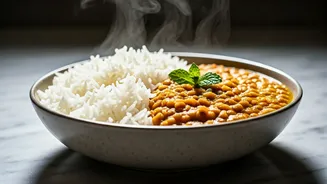
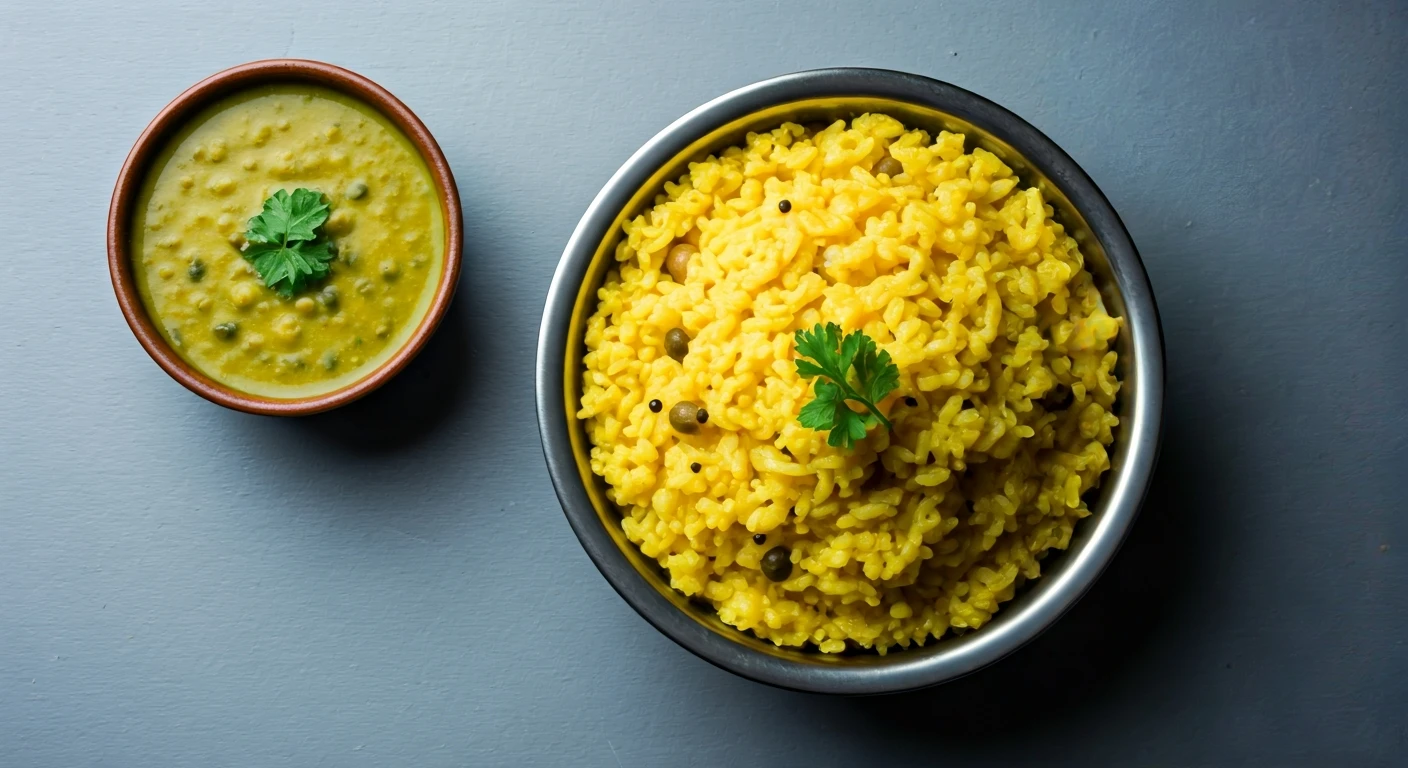
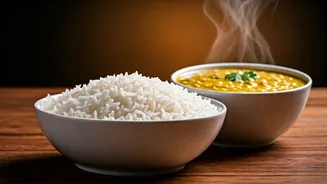
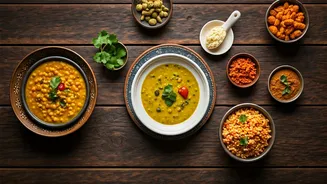
On the surface, dal and rice seems almost too simple to be a nutritional powerhouse. One is a lentil stew, the other a basic grain. But when eaten together, they perform a kind of nutritional magic trick. The secret lies in a concept called 'protein complementation.'
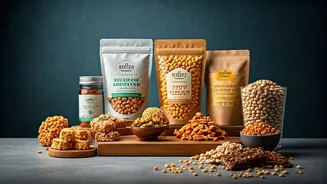
Proteins are made of building blocks called amino acids. There are nine 'essential' amino acids that our bodies can't make, so we have to get them from food. Animal products like meat, eggs, and dairy are 'complete proteins' because they contain all nine. Most plant-based foods, however, are 'incomplete,' meaning they're missing or low in one or more essential amino acids. This is where the genius of dal and rice comes in. Lentils (dal) are packed with the amino acid lysine but are low in methionine. Rice is the exact opposite—low in lysine but has plenty of methionine. When you eat them in the same meal, their amino acid profiles complement each other, creating a complete protein that’s on par with what you’d get from an animal source. It’s like two puzzle pieces clicking together to form a perfect whole.
More Than Just Protein
While the complete protein angle is getting a lot of buzz, especially with the rise of plant-based eating, the benefits of dal and rice don't stop there. This combination is a fantastic source of dietary fiber, which is crucial for digestive health, stabilizing blood sugar, and maintaining a healthy weight. The slow-releasing carbohydrates from both the lentils and rice provide sustained energy, preventing the sharp spikes and crashes associated with processed carbs and sugary foods.
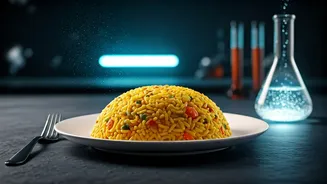
Furthermore, the dish is a treasure trove of micronutrients. Lentils are loaded with folate, iron, magnesium, and potassium. Choosing brown rice over white boosts the fiber content even more and adds B vitamins. This isn't a 'health food' that was engineered in a lab; it’s a naturally balanced meal that nourishes the body on multiple levels, from muscle repair to gut health.
Ancient Wisdom Meets Modern Validation
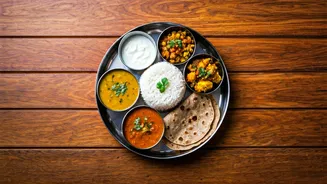
The most fascinating part of this story isn't that science 'discovered' the benefits of dal and rice. It's that science is finally validating the intuitive wisdom of cultures that have been relying on this meal for millennia. In South Asia, where dal-bhat (in Nepal) or dal-chawal (in India) is a daily staple, this combination wasn't born from nutritional textbooks. It was born from agricultural and economic reality: lentils and rice were accessible, affordable, and sustainable crops that kept people energized and healthy.
Generations of mothers and grandmothers didn't need to know about amino acids. They knew this meal kept their families strong. The 'science-approved' stamp of today is simply a modern language for an ancient truth. It’s a powerful reminder that some of the most effective nutritional strategies aren't new-age fads but time-honored traditions, perfected over centuries of human experience.
Why It Matters Now
In an era of expensive supplements, complex diet plans, and ultra-processed 'plant-based' products, the simplicity of dal and rice feels almost revolutionary. It's an accessible, affordable, and deeply satisfying way to eat well. Whether you're a committed vegetarian, looking to reduce your meat consumption, or just want a simple, healthy meal, it's hard to beat.
So the next time you see dal and rice on a menu or consider making it at home, don't dismiss it as 'just' a simple dish. Recognize it for what it is: a culinary masterpiece, a cultural icon, and now, a fully science-backed nutritional superstar that has been hiding in plain sight all along.