


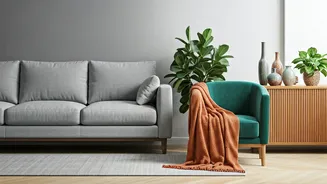
The Reign of Restrained Grey
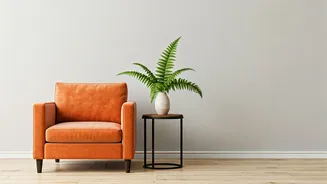
For a solid decade, one color scheme ruled them all. We call it 'Millennial Grey'—a specific aesthetic of cool-toned grey walls, white trim, light wood floors, and minimalist furniture. It was the unofficial uniform of the 2010s home. Popularized by HGTV
renovation shows and the rise of the house-flipping economy, this palette was safe, clean, and above all, marketable. It suggested sophistication without risk, a blank canvas that could appeal to the widest possible audience of potential buyers. In a post-recession world, making your home look like a high-end, depersonalized hotel room was a sign of financial prudence. It was decor as a defensive strategy, designed to offend no one and, in the process, excite no one either. Every surface was smooth, every corner was clean, and every pop of color was so subtle it might as well have been another shade of beige.
Enter Dopamine Decor
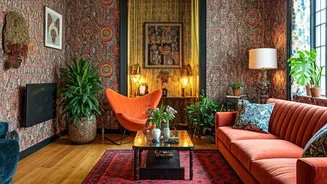
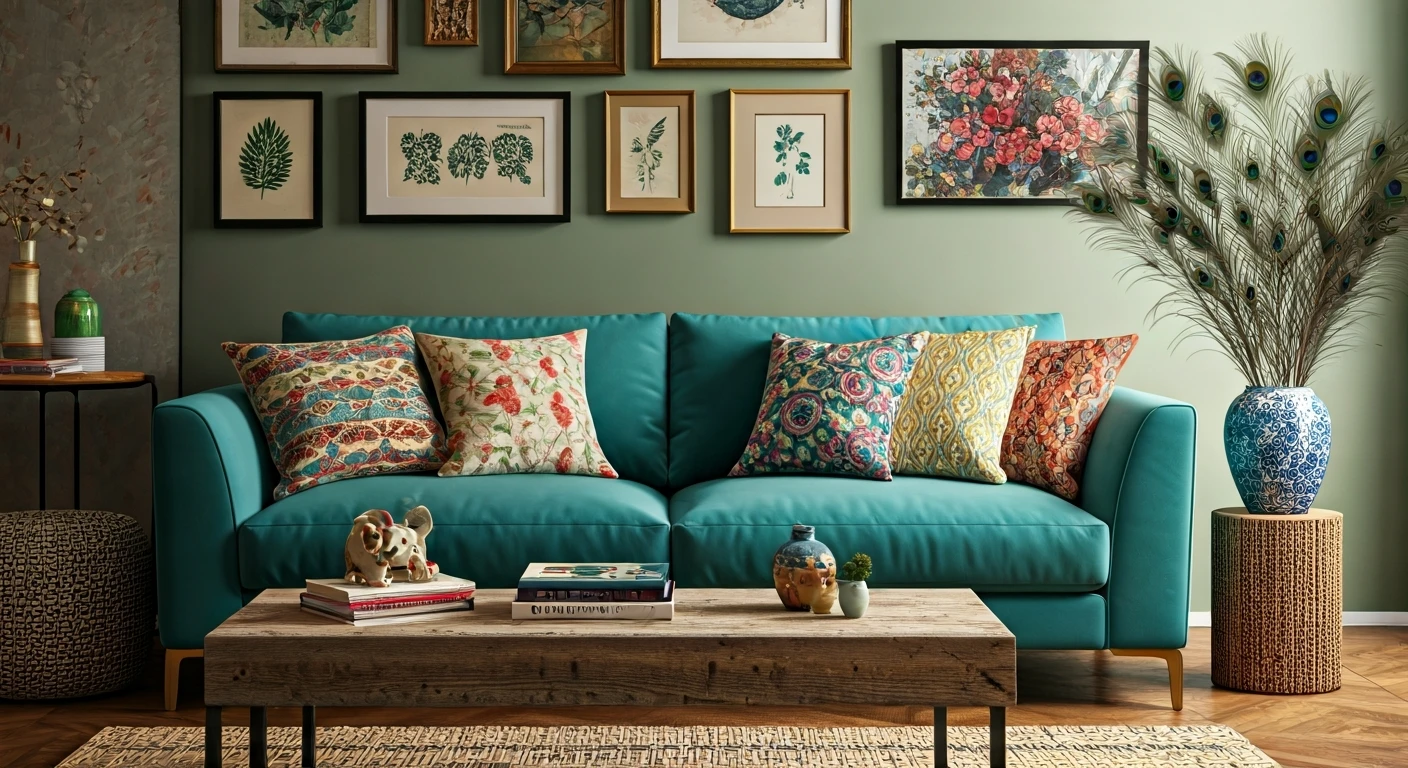
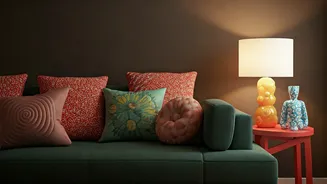
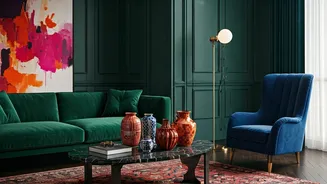
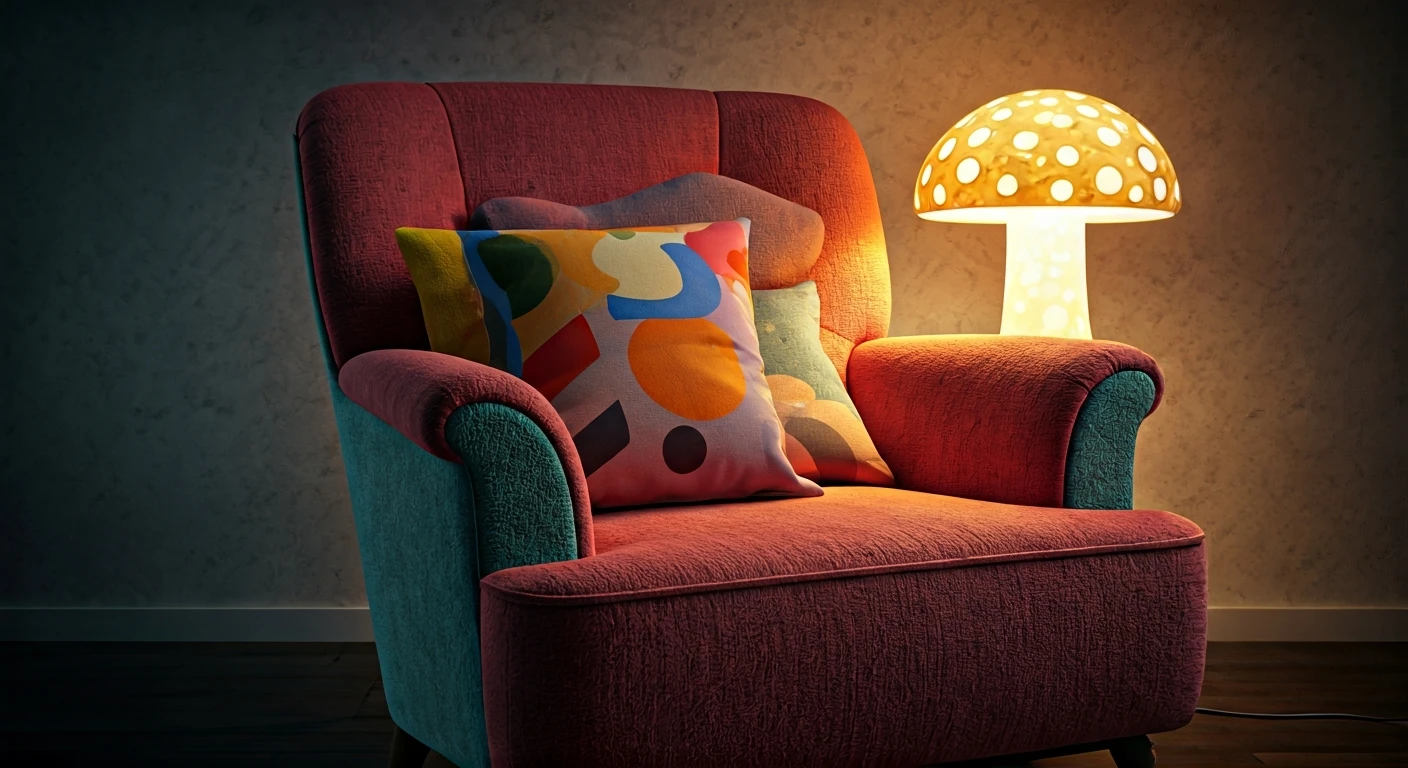
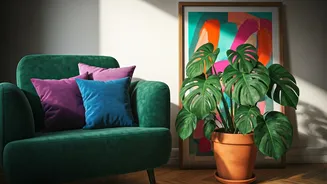
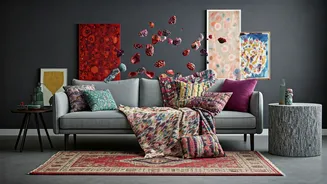
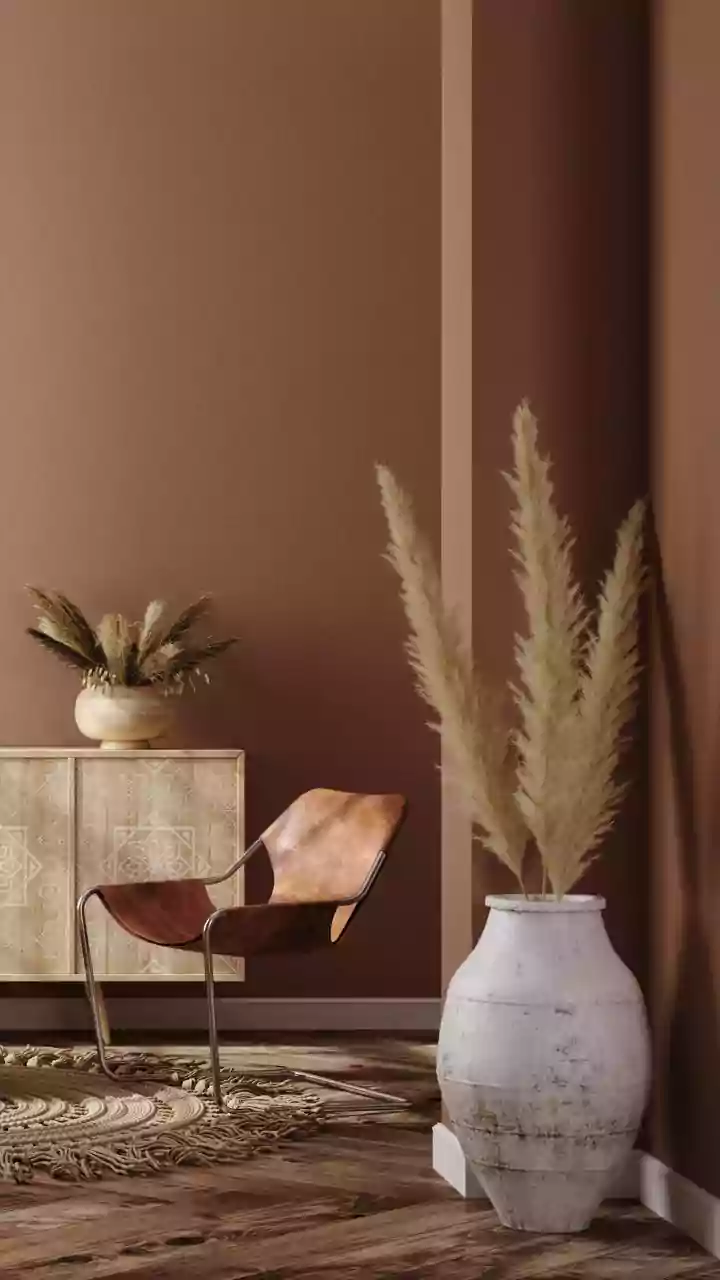
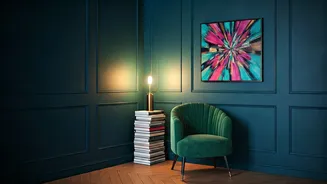
The backlash, when it came, wasn't quiet. It arrived in waves of terracotta, mustard yellow, emerald green, and cobalt blue. Welcome to the era of 'dopamine decor,' a design philosophy centered on one thing: joy. This new mood is a maximalist's dream, trading sterile neutrality for rich, layered, and deeply personal spaces. It’s about painting a room a color that makes you happy, even if a future buyer might hate it. It’s about mixing patterns, embracing clutter (the good kind), and filling your home with objects that tell your story. Think vintage art found at a flea market, a collection of mismatched ceramic mugs, a velvet couch in a jewel tone, and wallpaper that actually has a pattern. The goal is no longer to create a serene, empty space but to build a cozy, stimulating nest that reflects the messy, beautiful reality of the people who live there.
A Rebellion Born From Quarantine
So why the sudden, dramatic shift? Two words: the pandemic. Being confined to our homes for months on end forced a radical reevaluation of what 'home' means. When your house is simultaneously your office, gym, restaurant, and movie theater, the illusion of sterile perfection shatters quickly. The impersonal, showroom-like quality of Millennial Grey started to feel less like a chic choice and more like a stylish prison. People began to crave warmth, comfort, and personality. Our spaces needed to become sanctuaries, not just assets. This psychological shift fueled a desire for environments that actively nurtured us. Color has a proven effect on mood, and after a period of collective anxiety and monotony, we began using it as a tool—a way to inject energy, calm, and happiness directly into our daily lives.
Maximalism Is the New Minimalism
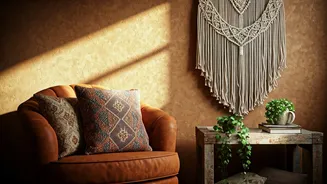
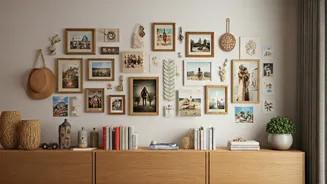
This movement is about more than just paint. It’s a rejection of the minimalist performance that dominated social media for years. The curated emptiness of the Kinfolk-era aesthetic has given way to a more honest and attainable 'cluttercore' or curated maximalism. The new ideal isn’t a home devoid of possessions, but one full of meaningful ones. It celebrates the personality found in a well-loved library of books, the history in an inherited piece of furniture, and the charm of a plant-filled windowsill. This isn’t about hoarding; it’s about surrounding yourself with things that have a story. In a world of mass-produced goods and digital ephemera, creating a physical space that is uniquely and tangibly *yours* has become the ultimate luxury.