








The #1 Threat: Your Medicine Cabinet
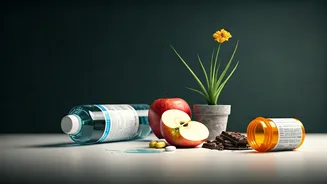
Year after year, the top categories on the ASPCA's list are over-the-counter (OTC) and human prescription medications. In 2023, they accounted for over 40% of calls to the Animal Poison Control Center. It's easy to see why: a dropped pill can be gobbled
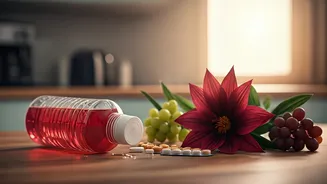
up in seconds by a curious pet. Common culprits include NSAIDs like ibuprofen (Advil, Motrin) and naproxen (Aleve), which can cause severe stomach ulcers and kidney failure in dogs and cats. Acetaminophen (Tylenol) is particularly toxic to cats, leading to red blood cell damage. Antidepressants, heart medications, and ADHD drugs also pose a significant risk, causing neurological problems like seizures and tremors. The best prevention is simple but strict: always store all medications in secure cabinets, well out of reach of both pets and children.
Kitchen Dangers Beyond Chocolate
While most owners know chocolate is a no-go for dogs (the darker the chocolate, the more dangerous), the kitchen holds other, less obvious threats. Grapes and raisins are a major one, capable of causing sudden kidney failure in dogs. The exact toxic substance is still unknown, and sensitivity can vary, so it’s best to avoid them entirely. Another huge risk comes from xylitol, a sugar substitute found in a growing number of products, including peanut butter, sugar-free gum, candy, baked goods, and even some dental products. In dogs, xylitol triggers a massive insulin release, leading to life-threateningly low blood sugar (hypoglycemia) and potential liver failure. Always check the ingredient label on 'sugar-free' items. Onions, garlic, chives, and leeks are also toxic, damaging red blood cells and causing anemia, especially in cats.
When Houseplants and Bouquets Turn Toxic
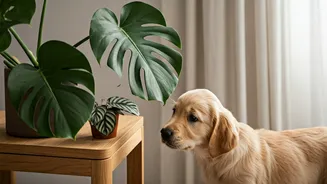
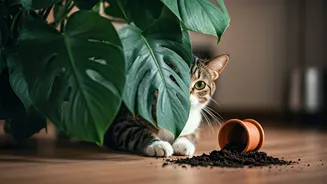
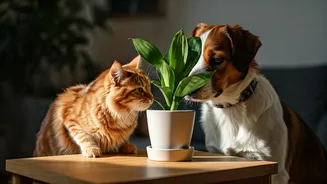
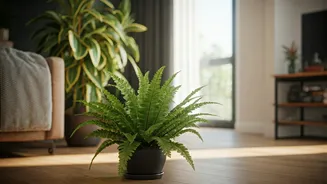
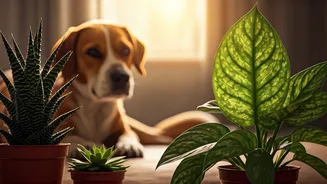
Adding greenery to your home can brighten a space, but many common houseplants and floral arrangements are hazardous to pets. Lilies are famously and profoundly toxic to cats. Ingesting even a small amount of any part of the plant—or even the pollen or water from the vase—can cause rapid and irreversible kidney failure. For this reason, many veterinarians advise cat owners to never have lilies in their home. Other popular but problematic plants include Sago Palms, which are highly toxic to the liver; tulips and hyacinths, which can cause intense gastrointestinal upset if the bulbs are ingested; and oleander, a beautiful but deadly shrub where all parts are toxic to the heart. Before bringing a new plant home, a quick search on the ASPCA's toxic plant list can prevent a potential tragedy.
Under the Sink and In the Garage
Beyond food and medicine, everyday household products present a constant hazard. Rodenticides (rat and mouse poison) are designed to be palatable, making them attractive to pets as well. They work by causing internal bleeding or brain swelling, and symptoms may not appear for days. Even if your pet doesn't eat the bait directly, they can suffer secondary poisoning by consuming a rodent that did. Cleaning products, especially concentrated ones like toilet bowl cleaners or drain openers, can cause severe chemical burns to the mouth and esophagus. Antifreeze is another classic danger; its sweet taste is appealing to animals, but it's extremely toxic to the kidneys. Always store chemicals in their original containers in locked cabinets and clean up any spills immediately and thoroughly.
What to Do in an Emergency
Even with the best precautions, accidents can happen. If you suspect your pet has ingested something toxic, acting quickly is critical. First, immediately remove your pet from the area and make sure they cannot consume any more of the substance. If possible, collect a sample of what they ate, along with any packaging or labels. Do not try to induce vomiting unless specifically instructed to do so by a veterinary professional, as it can be harmful with certain toxins. The most important step is to call for help. Program these two numbers into your phone: your local veterinarian or a nearby 24-hour emergency animal hospital, and the ASPCA Animal Poison Control Center at (888) 426-4435. Their experts are available 24/7 to provide life-saving guidance (a consultation fee may apply).