




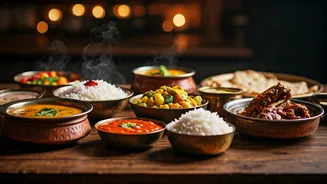

The Soul of a Rainy Day
For Americans, a rainy day might mean soup and a grilled cheese. In Kolkata, the former capital of British India, it means something far more specific and communal. The monsoon season, stretching from roughly June to September, isn't just a weather pattern;
it's a cultural season with its own soundtrack, mood, and, most importantly, its own menu. It’s a time when the relentless pace of city life slows to a stroll, and the collective desire turns toward home, comfort, and food that feels like a warm hug. This isn't about simply eating; it's about participating in a shared experience, a city-wide ritual where the pitter-patter of rain on corrugated tin roofs is the background music for a feast.
The Holy Trinity of Monsoon Cravings
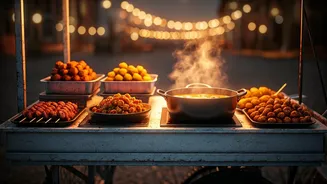
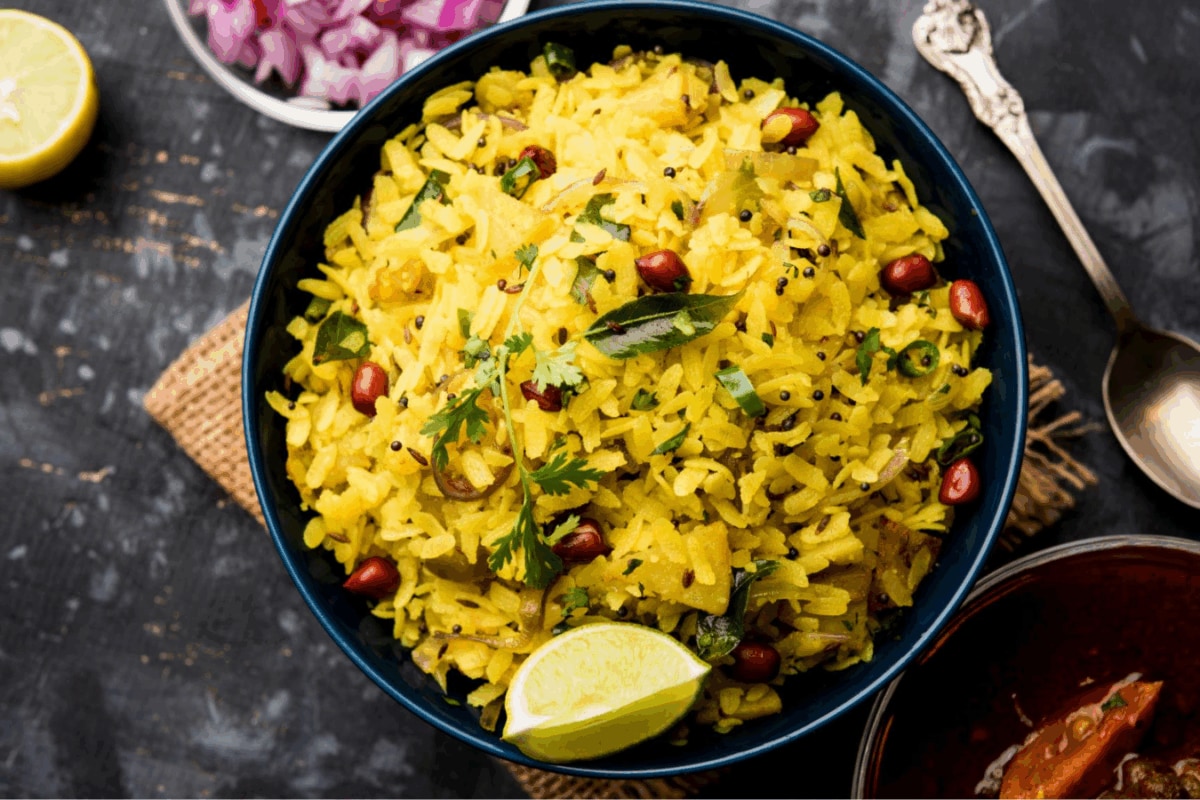
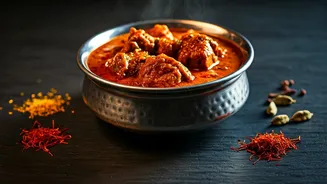
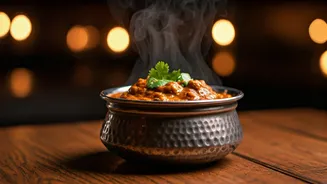
At the heart of this tradition are three pillars of monsoon cuisine. First is *khichuri*, a humble but profoundly satisfying one-pot dish of rice and lentils. But calling it just 'rice and lentils' is like calling a gumbo just 'stew.' Kolkata's version is often aromatic with ginger, turmeric, and ghee (clarified butter), studded with potatoes and cauliflower, and cooked to a soft, porridge-like consistency. It’s the ultimate comfort food, often paired with an omelet or, even better, fried accompaniments called *bhaja*—thin slices of eggplant, potato, or squash, battered and fried to crispy perfection. The second star is the *ilish*, or Hilsa shad. This bony but incredibly flavorful fish is a regional obsession. During the monsoon, when the fish swim upstream from the Bay of Bengal to spawn, they are at their plumpest and most delicious. An entire culinary subculture revolves around preparing *ilish*—steamed in a pungent mustard sauce (*shorshe ilish*), smoked, or simply fried. The arrival of good *ilish* in the market is a momentous occasion. Finally, there's *telebhaja*—literally 'fried in oil.' These are the street-side snacks that become irresistible when the air gets damp and cool. Think fritters made from onions (*peyaji*), potato (*aloo'r chop*), or eggplant (*beguni*), served piping hot in a paper bag. They’re the perfect on-the-go treat while navigating puddle-filled streets under an umbrella.
A Delicious Modern Update
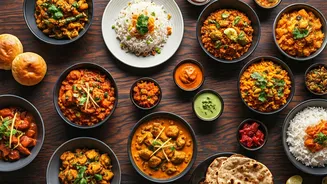
So what's new? For decades, these monsoon delights were primarily a homemade affair or a street-food staple. But now, Kolkata’s vibrant restaurant scene has fully embraced the tradition, making it more accessible and creative than ever. This is how the city's monsoon food plans "just got better." Upscale restaurants and trendy cafes now curate special "Monsoon Menus." Chefs are putting modern spins on old favorites—think deconstructed *khichuri*, boneless *ilish* fillets in delicate sauces to appeal to a new generation, or gourmet *telebhaja* platters with artisanal dipping sauces. It's a way of celebrating heritage while acknowledging modern palates and preferences. Furthermore, food delivery apps have revolutionized the experience. The classic dream of enjoying hot *khichuri* and fried fish while watching the rain from your window, without having to cook, is now just a few taps away. This has democratized the monsoon feast, moving it from a weekend home project to a Tuesday night possibility.
More Than Food: The Culture of 'Adda'
You can't talk about monsoon food in Kolkata without mentioning *adda*. There’s no perfect English translation, but it means a leisurely, rambling conversation among friends. It’s the art of doing nothing, together. A rainy afternoon is the ideal excuse for an *adda* session, fueled by endless cups of milky, sweet tea (*chai*) and a steady supply of monsoon snacks. This is where the food becomes a social glue. The meal isn't the main event; it's the centerpiece of a gathering that prioritizes connection and conversation over clocks and schedules. The modernization of monsoon food hasn't diminished this; it has only created more opportunities for it, whether in a cafe, a restaurant, or at home with a delivery order.