


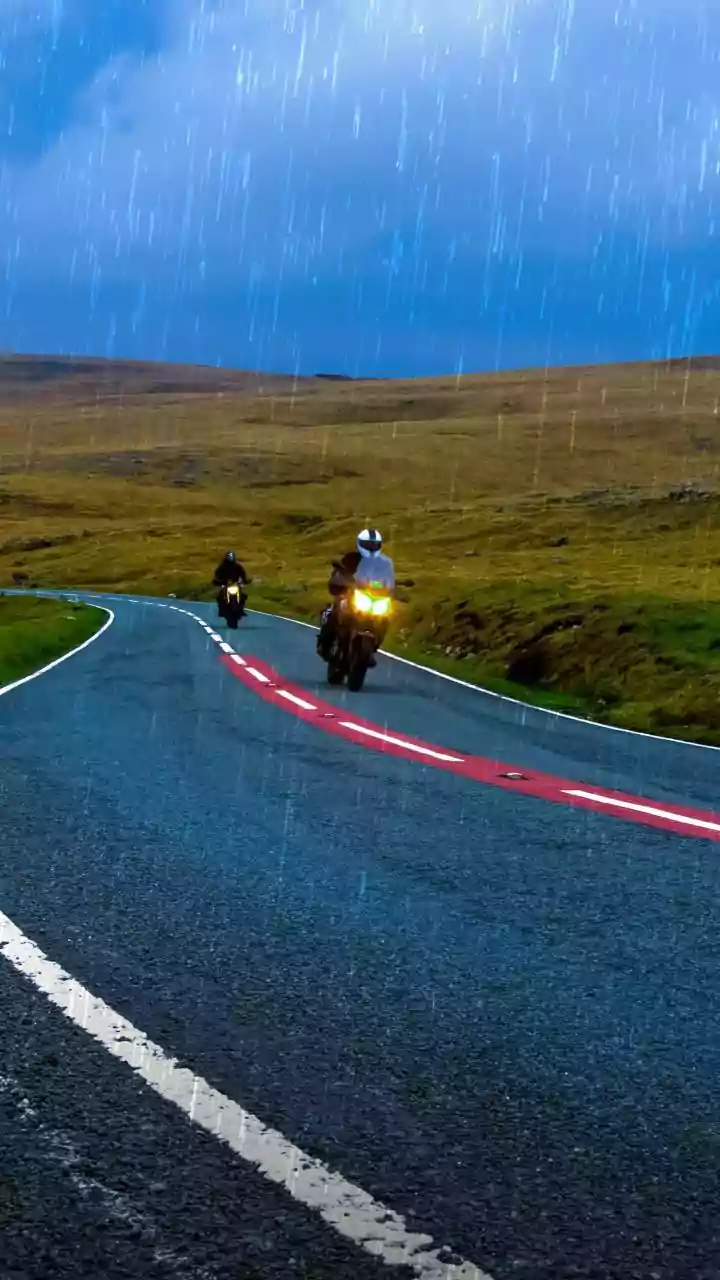


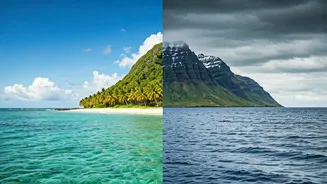
What Exactly Is a 'Mood Trip'?
Imagine this: It’s a sweltering Tuesday, and your Instagram feed shows a friend sipping chai against a backdrop of misty Himalayan peaks. Suddenly, the desire to feel cool mountain air becomes overwhelming. By Friday, you’re there. That’s a “mood trip.”
It’s a travel trend, gaining significant traction among India’s Millennials and Gen Z, that throws traditional vacation planning out the window. Instead of booking flights months in advance for a two-week block, this new style is defined by spontaneity. The decision to travel is triggered by a mood—a craving for peace, a need for adventure, a desire to escape the city heat, or simply a bout of boredom. The destination and duration are secondary to fulfilling that immediate emotional need. These are often short, 2-to-4-day excursions, typically planned just days or even hours before departure, turning wanderlust from a distant dream into an instant reality.
The Forces Driving the Trend
This shift isn’t happening in a vacuum. Several factors are fueling the rise of mood-based travel. First is the post-pandemic concept of “revenge travel,” a widespread urge to make up for lost time that has made people more willing to say “yes” to impulsive opportunities. Secondly, the normalization of flexible and remote work arrangements allows a growing number of young professionals to work from anywhere, turning a long weekend into a “work-from-hills” week. But the biggest driver is technology. India’s digital infrastructure is booming. High-speed internet is nearly ubiquitous, and a new generation of slick travel apps—from MakeMyTrip to EaseMyTrip—allows for seamless, last-minute booking of flights, trains, buses, and hotels. Add to this a constant stream of social media inspiration showcasing accessible, picture-perfect getaways, and you have the perfect recipe for spontaneous travel. It’s a direct response to a hyper-connected, often-stressful modern life, offering an immediate escape valve.
From the City to the Mountains in 48 Hours
So how do they pull it off? The key is a focus on accessibility. While a spontaneous trip to Paris might be out of reach, a quick escape to a nearby destination is not. For residents of Delhi, a mood trip might mean a 5-hour drive to the Himalayan foothills in Uttarakhand or Himachal Pradesh for crisp air and scenic treks. For those in Mumbai or Bengaluru, it could be a quick flight or a road trip to the beaches of Goa or the serene coffee plantations of Coorg. Travel companies have noticed the shift, reporting a dramatic increase in last-minute bookings. According to industry reports, booking windows that were once 45-60 days in advance have shrunk to just 7-15 days for many travelers. Some platforms have even seen a surge in bookings made less than 72 hours before travel. This ecosystem thrives on a network of budget airlines, improved highways, and a vast array of homestays and boutique hotels that can be booked with a few taps on a smartphone.
More Than Just a Vacation
Ultimately, the mood trip phenomenon is about more than just travel; it’s a cultural statement. It reflects a generational shift in how work, leisure, and well-being are valued. For many young Indians, it’s a quiet rebellion against the rigid, work-obsessed culture of their parents’ generation. It prioritizes mental health and personal fulfillment over long-term, savings-focused planning. This approach treats travel not as a rare, monumental event to be meticulously planned, but as a regular, integrated part of a balanced life—a tool for managing stress and reconnecting with oneself. By empowering individuals to act on their emotional needs, the mood trip transforms a simple getaway into a powerful act of self-care. It’s a sign that for a growing number of people, the best reason to travel is simply because it feels right, right now.