

The Monsoon's Embrace
Imagine a town clinging to a mountainside, 7,000 feet above sea level. Now, imagine it shrouded in a thick, moving mist. During the monsoon season, this is the daily reality in Darjeeling, the former summer retreat of the British Raj in India. Streets
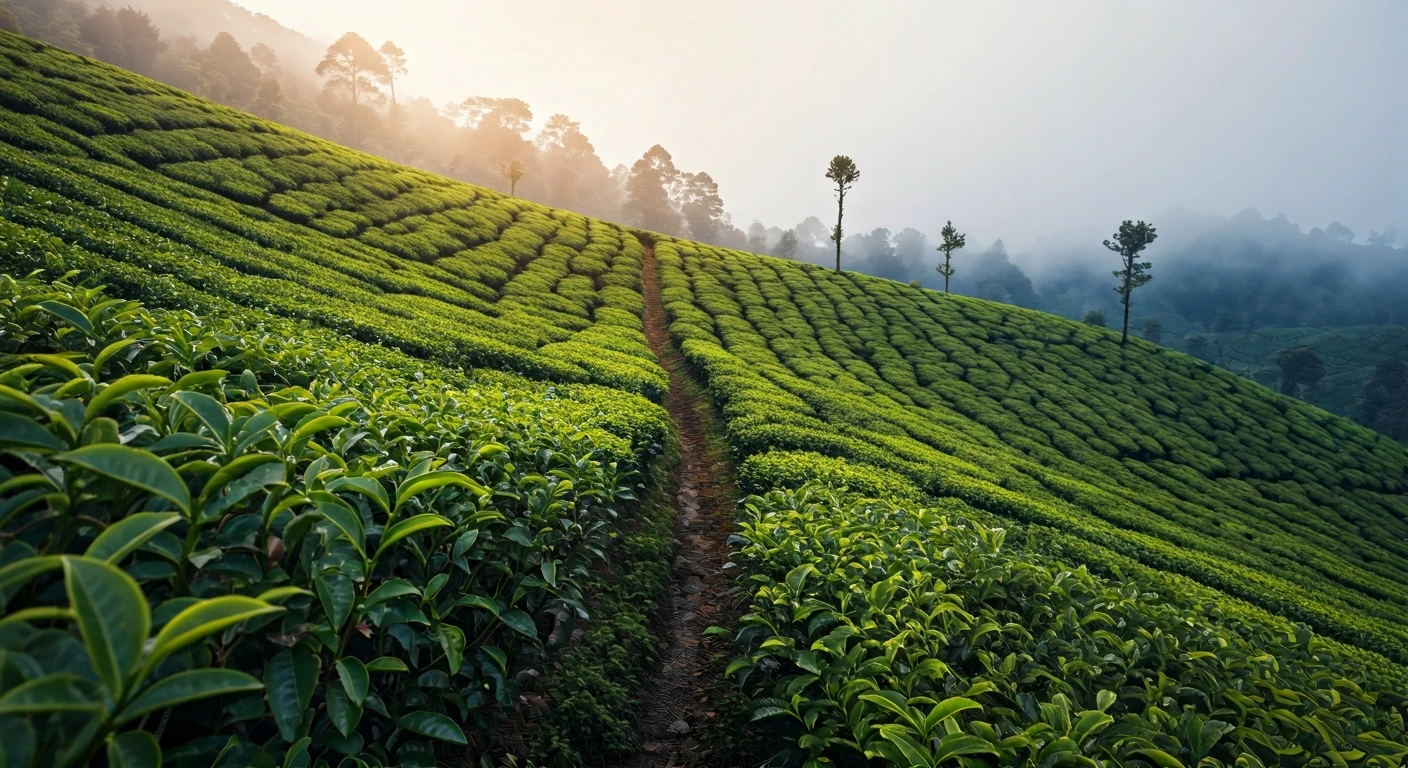
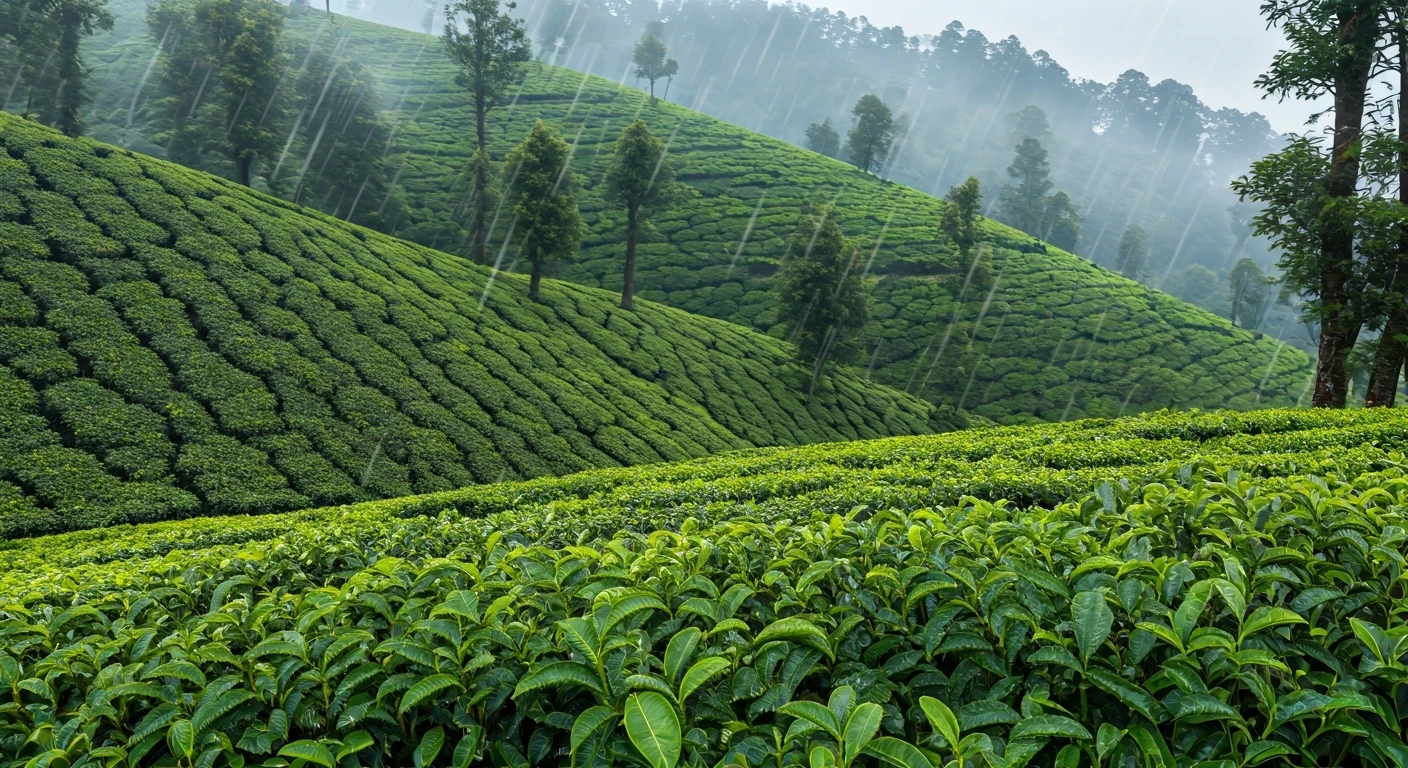
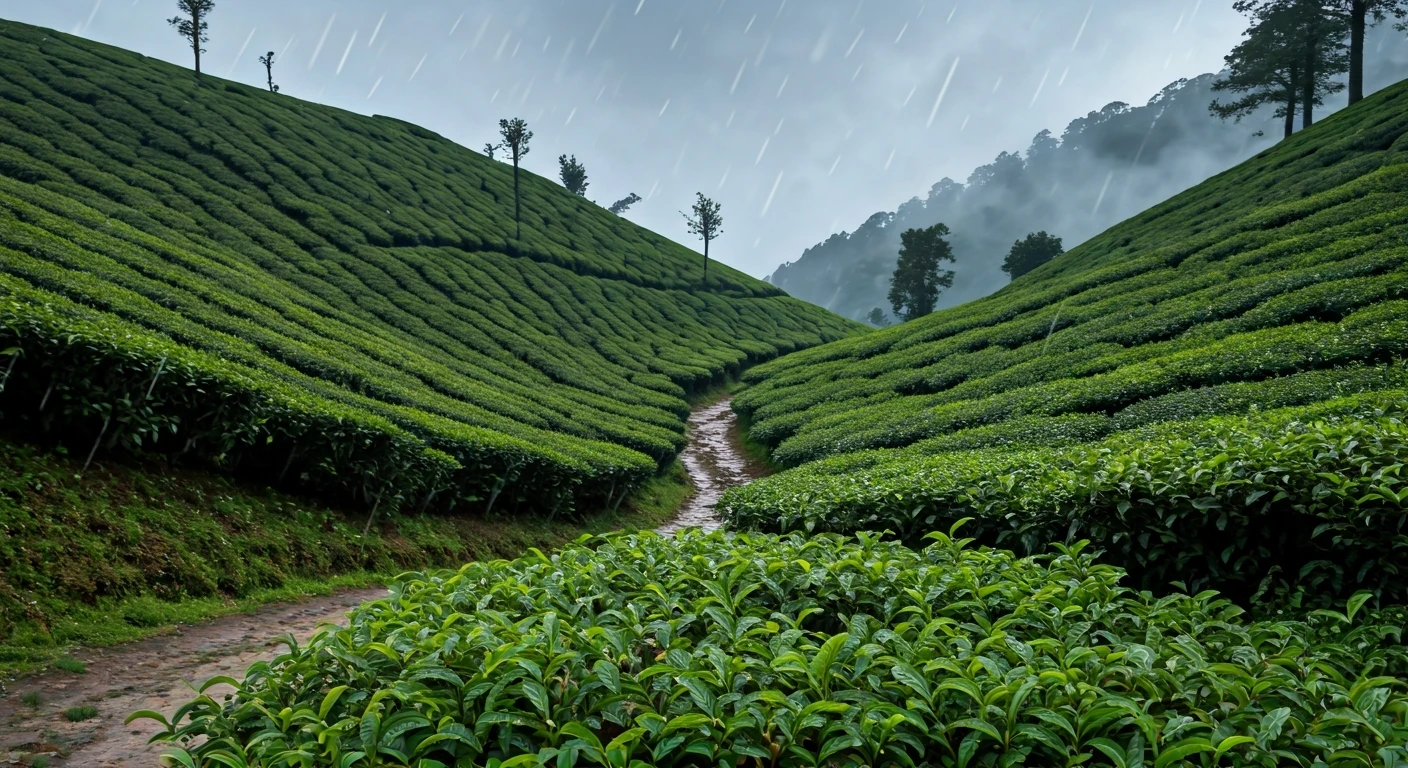
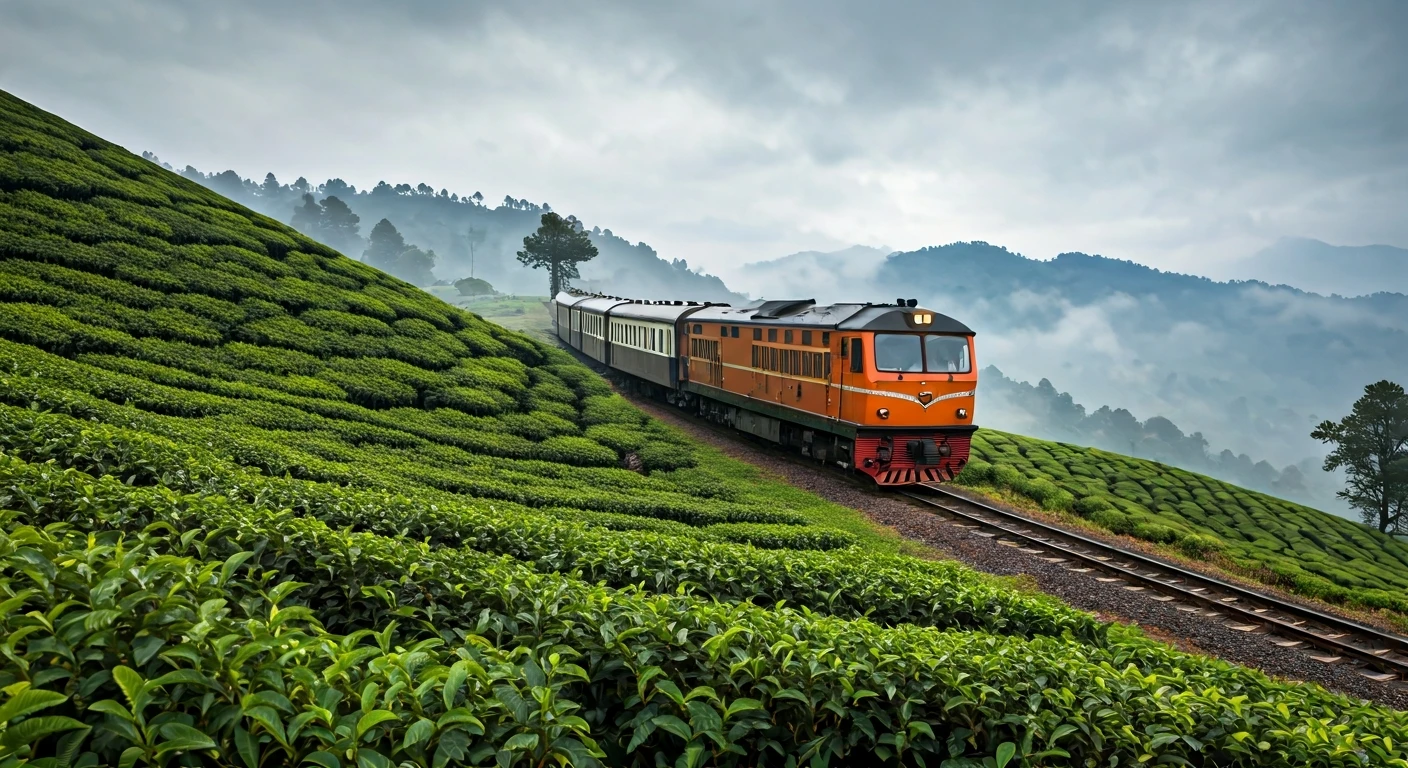
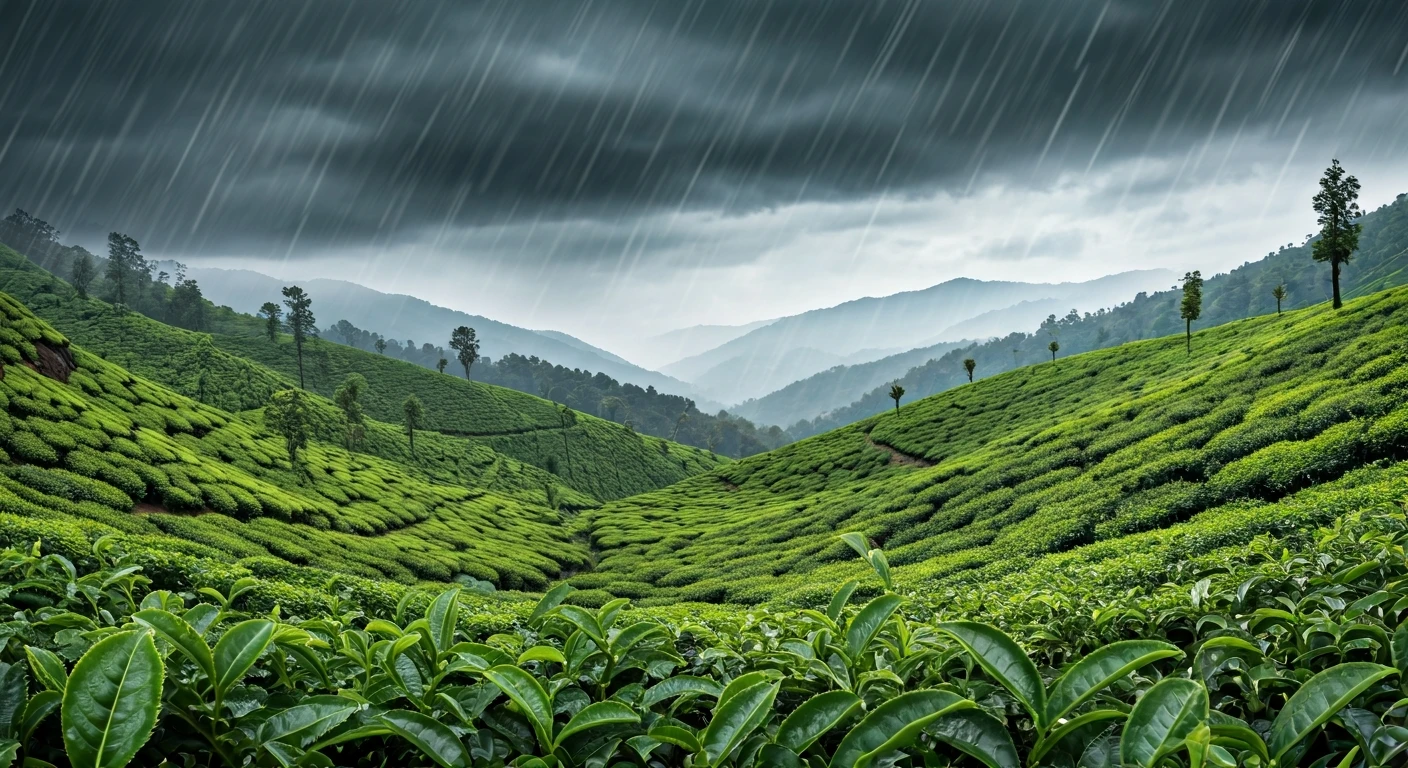
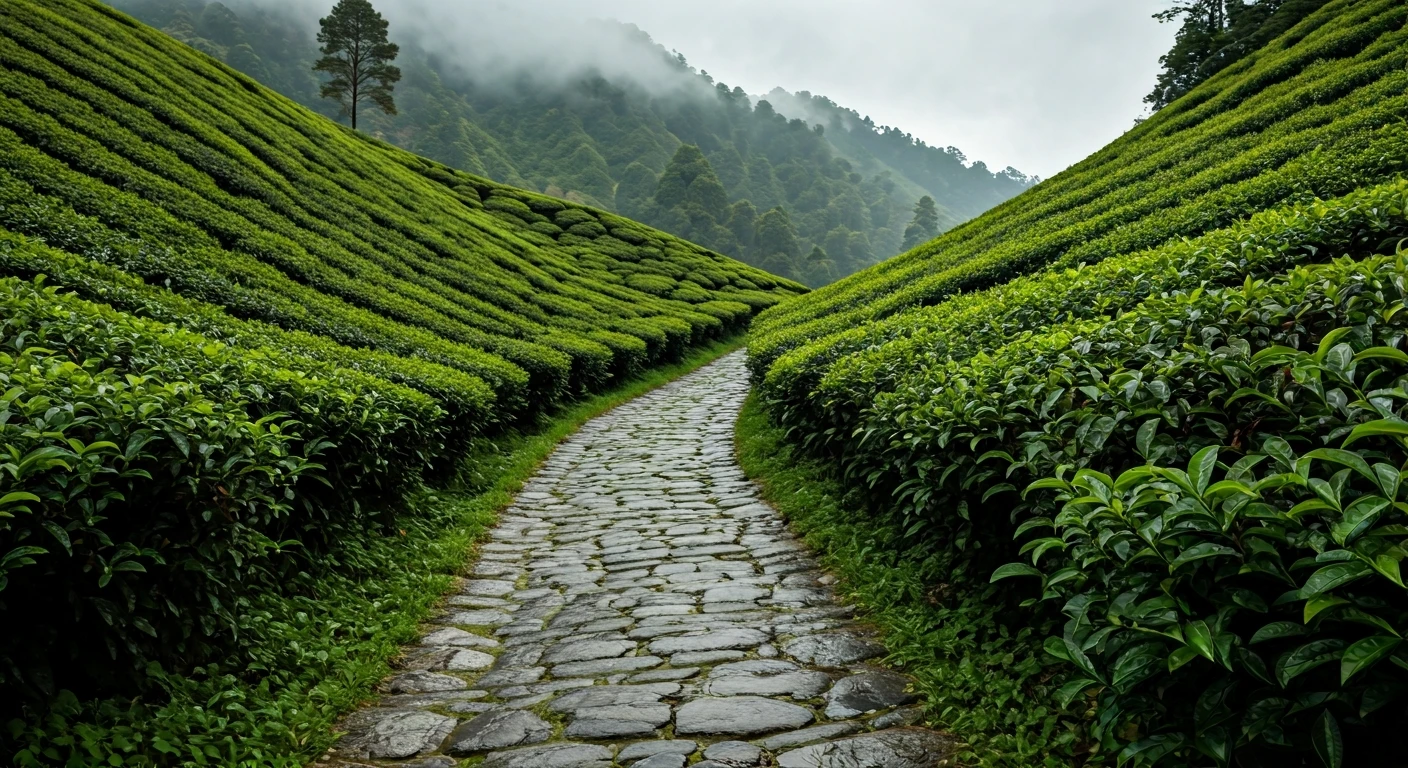
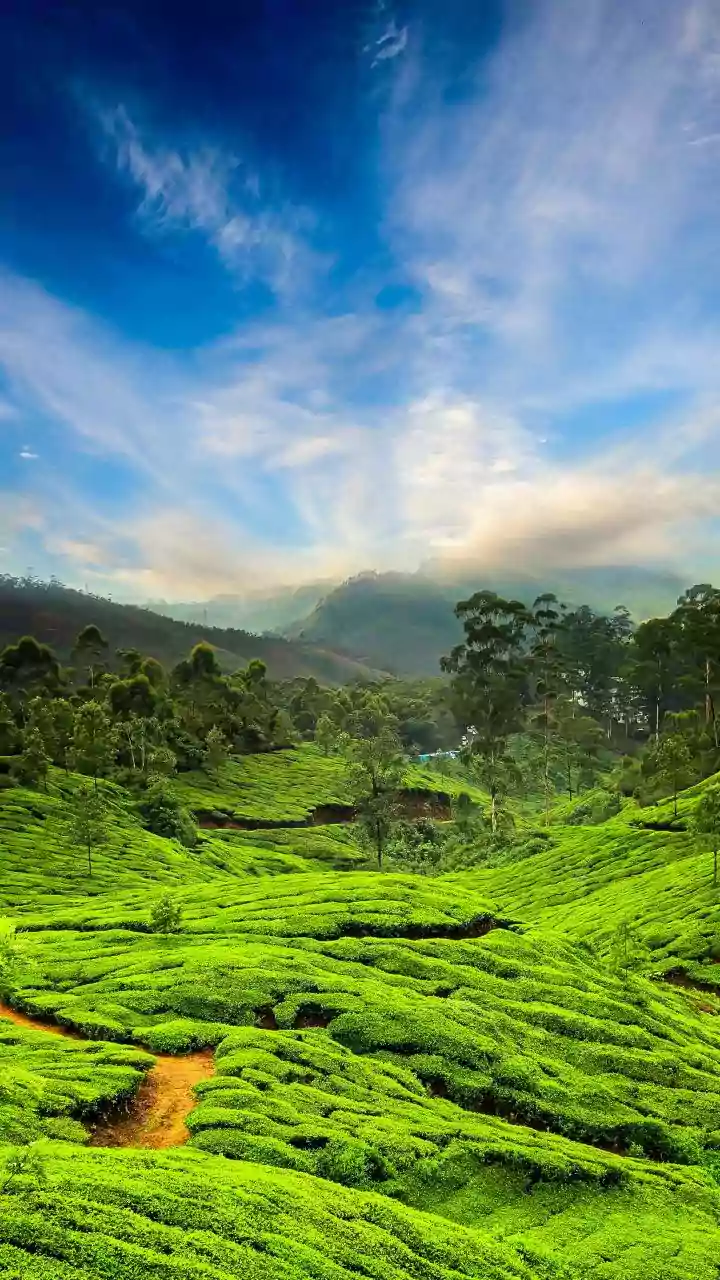
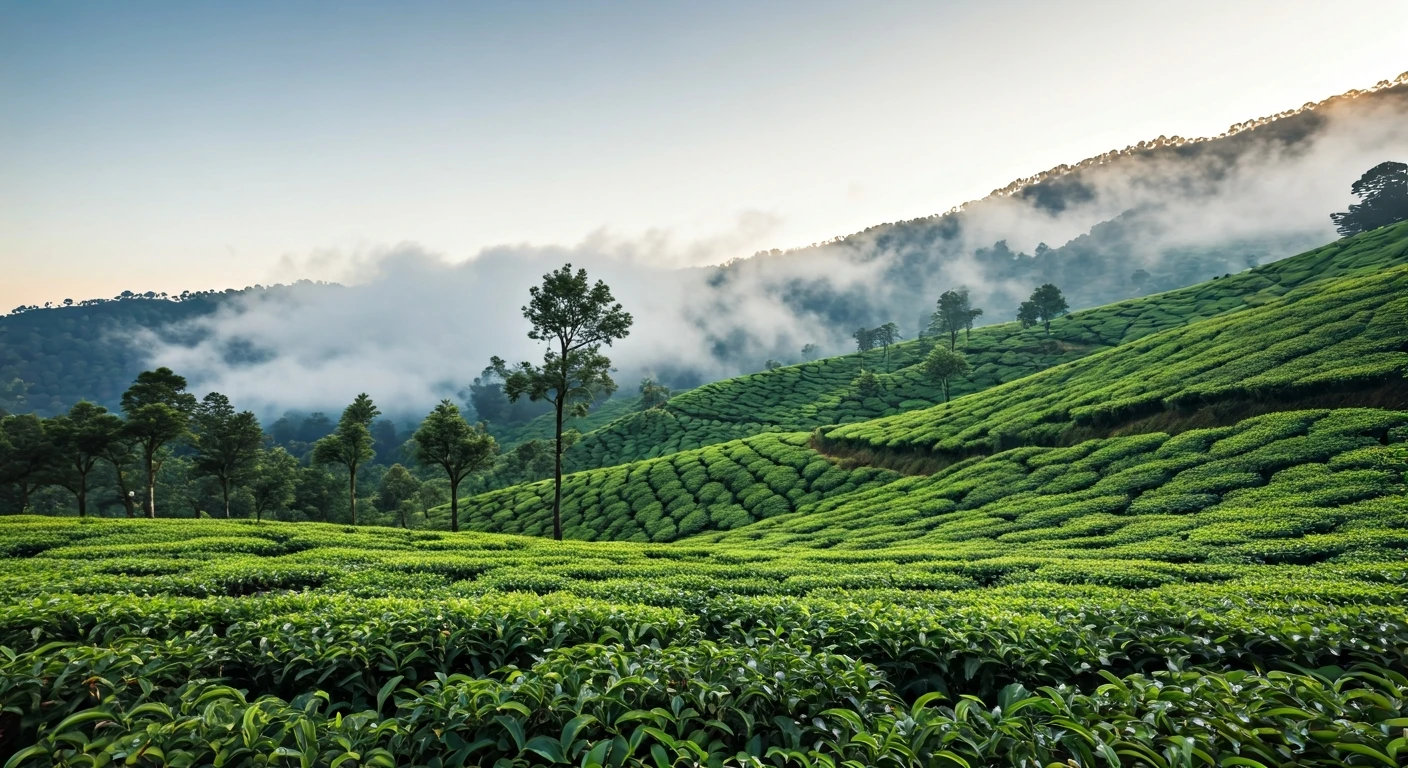
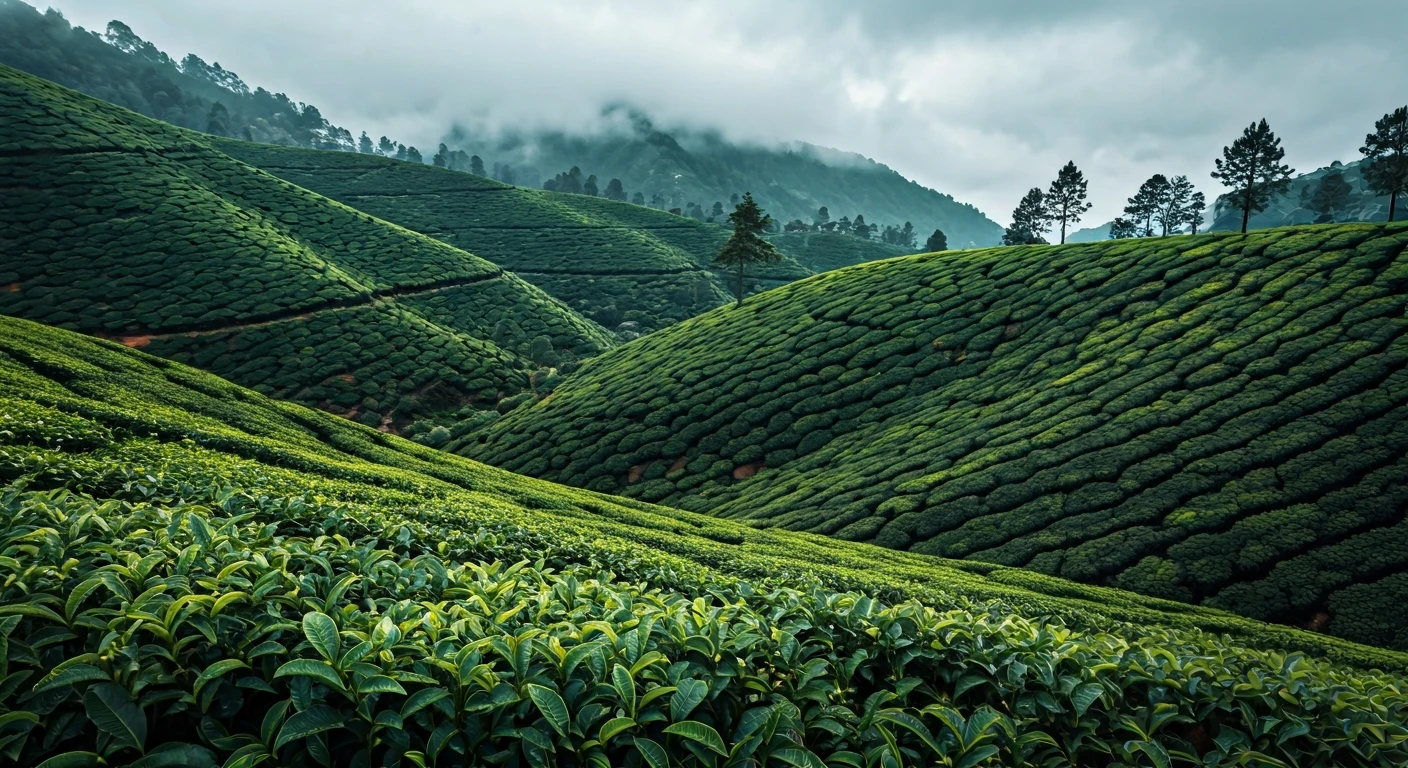
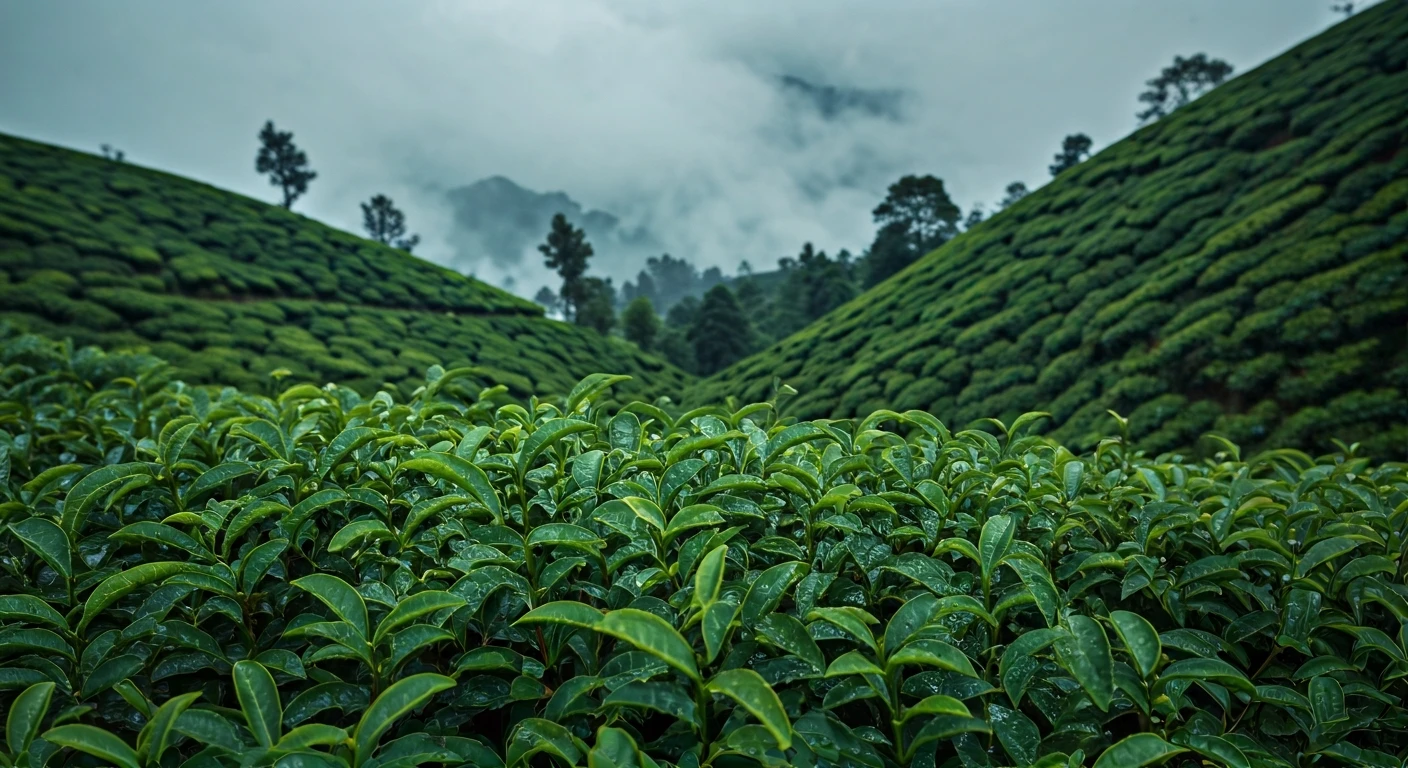
once bustling with vendors and tourists grow quiet, and the world is reduced to the rhythmic drumming of rain on tin roofs and the scent of wet earth. This isn't a dreary, stay-inside kind of rain. It’s a dramatic, world-altering event that transforms the landscape into something out of a romantic novel. The green of the surrounding tea estates deepens to an impossible emerald, and the air itself feels ancient and clean. It’s in this setting that the town's legendary cafes don’t just serve food and drink—they offer sanctuary.
A Refuge of History and Warmth
Stepping into a classic Darjeeling cafe like Glenary's or the nostalgic Keventer's is like stepping back in time. These aren't modern, minimalist coffee shops. They are institutions, often housed in colonial-era buildings with creaking wooden floors, large bay windows, and a palpable sense of history. The air inside is a warm, fragrant cloud of freshly baked bread, strong coffee, and, of course, the delicate aroma of the world's most famous tea. The decor is a charming jumble of eras: antique furniture, old photographs of the town's past, and fireplaces that crackle to life on colder days. For generations, these establishments have been the social heart of Darjeeling, a place where planters, locals, and travelers converge to escape the chill and watch the monsoon mist roll by.
More Than Just a Cup of Tea
While you are in the home of the “champagne of teas,” the cafe experience is about much more. It's about the comfort of a full English breakfast on a rainy morning, complete with sausages and perfectly fried eggs, a tradition held over from the British. It's about a hearty lunch of shepherd's pie or a plate of hot momos, the Tibetan-style dumplings that are a staple of Himalayan cuisine. And it is absolutely about the afternoon indulgence of a pot of strong, sweet milk tea—chai—paired with a slice of plum cake or a warm scone. This fusion of British colonial comfort food and local Himalayan fare is what makes the menu so special. It’s a culinary reflection of Darjeeling’s own mixed identity, offering sustenance that feels both familiar and exotic, perfectly suited to a damp, contemplative afternoon.
The View from the Window
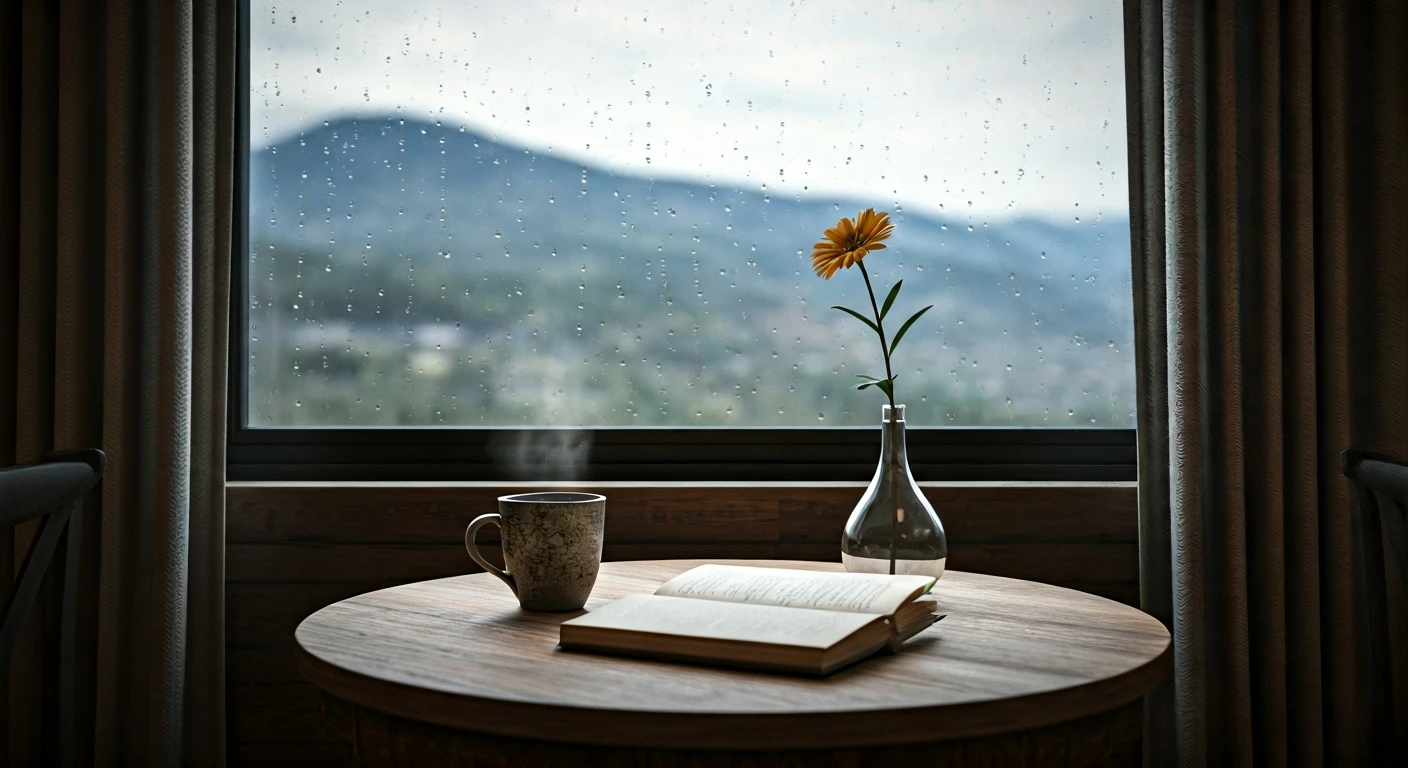
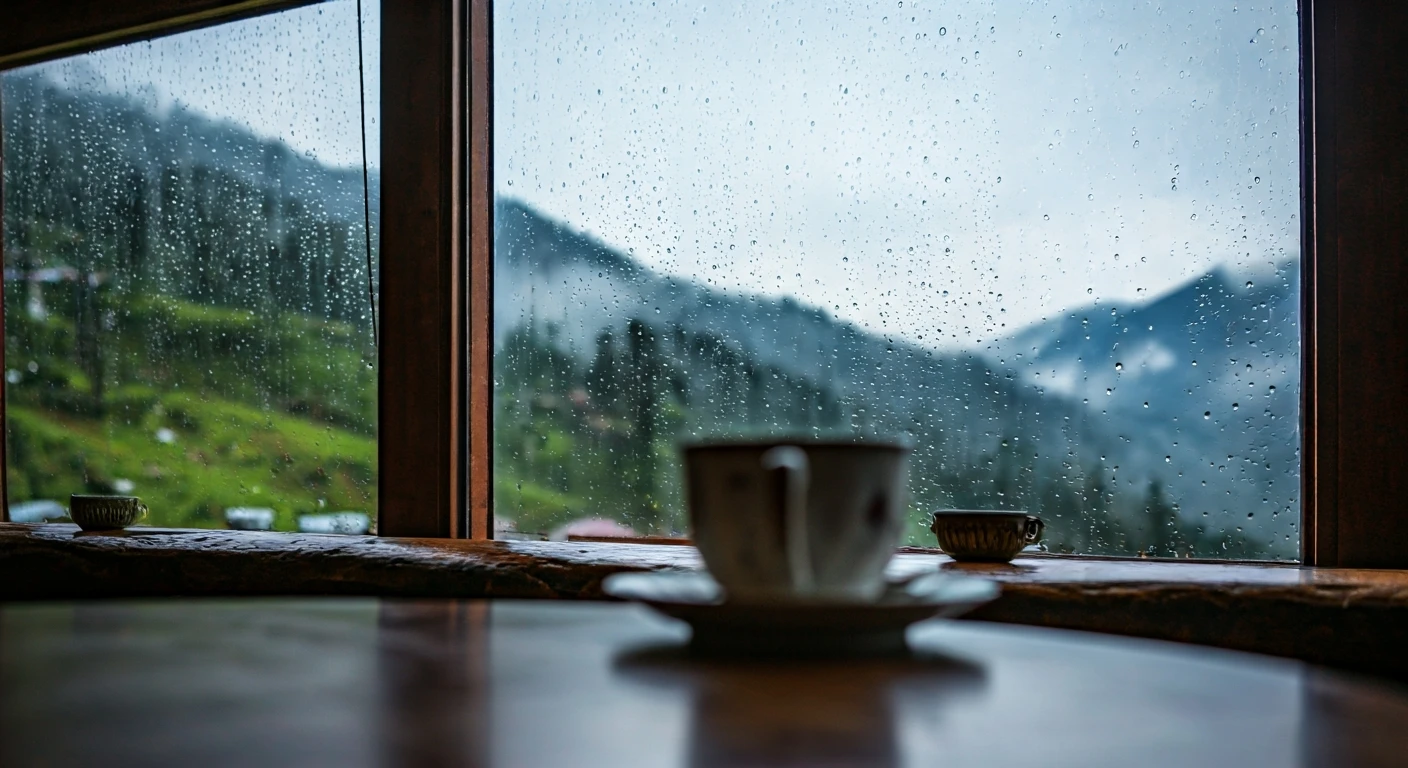
The most coveted seat in any Darjeeling cafe is always by the window. It’s a front-row seat to a spectacular, slow-moving drama. You watch as people scurry under colorful umbrellas, their figures momentarily swallowed by clouds of mist drifting up the steep hillsides. You might see a vintage Land Rover, the workhorse of the mountains, navigating a narrow lane. The main event, however, is the landscape itself. For hours, the view might be nothing but a soft, white void. Then, suddenly, the clouds will part. The rain will cease, and for a breathtaking few minutes, a sliver of the snow-capped Kanchenjunga, the third-highest mountain in the world, might reveal itself in the distance. It’s a fleeting, magical reward. In that moment, sitting with a warm cup in your hands, the world feels both immense and incredibly intimate. The cafe becomes more than a shelter; it's a perch from which to witness the sublime.