
The End of the ‘Curry’ Monolith
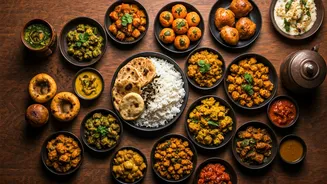
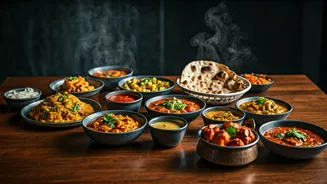
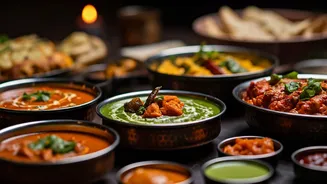
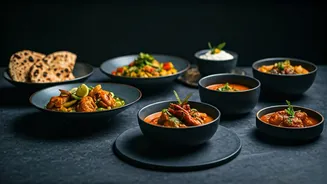
For decades, the American understanding of “Indian food” was a monolith, largely defined by the creamy, tomato-based dishes of Punjab, filtered through a British lens. Menus from New York to Los Angeles offered a familiar litany: chicken tikka masala,
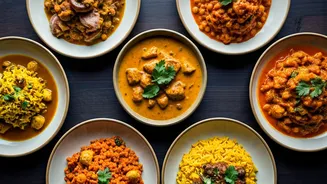
saag paneer, lamb vindaloo, and pillowy naan. While delicious, this selection represented a tiny, often-homogenized fraction of the subcontinent's staggering culinary diversity. It was safe, predictable, and built for a Western palate that restaurateurs assumed couldn't handle the funk, fire, and complexity of more specific regional cooking. This paradigm created a ceiling, relegating one of the world's great food cultures to the category of cheap, cheerful takeout rather than destination dining.
The Rise of the Storyteller Chef
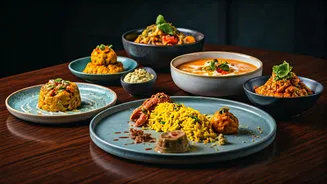
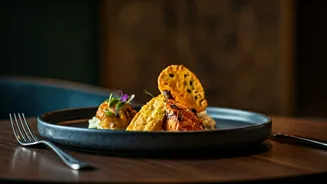
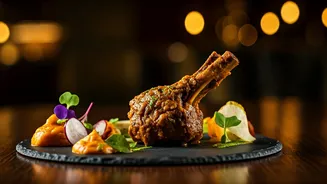
The current shift is being driven by a new guard of Indian chefs and restaurateurs who are refusing to compromise. Instead of asking, “What will Americans eat?” they are asking, “What story do I want to tell?” Take, for example, the explosive success of Unapologetic Foods, the group behind New York hotspots like Dhamaka and Semma. Chef Chintan Pandya and restaurateur Roni Mazumdar built their empire on a radical concept: serving the specific, rustic, and intensely flavorful foods of India’s often-overlooked regions. At Dhamaka, you might find a goat neck biryani from Rajasthan; at the Michelin-starred Semma, the menu celebrates the rural cooking of South India with dishes like snail curry and venison stew. These chefs aren’t just cooks; they’re cultural ambassadors, using the plate as a passport to a specific time and place.
From Home Cooking to Haute Cuisine
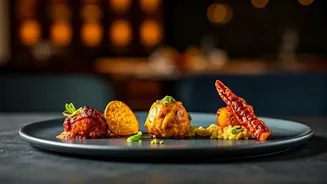
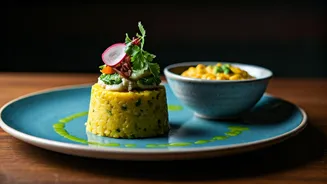
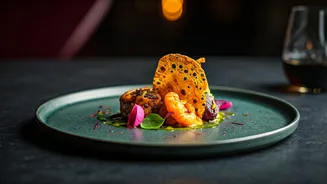
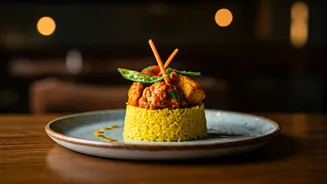
This is where “premium currency” comes in. These are not your $15 lunch specials. A signature dish at a top-tier regional Indian spot can command prices north of $40, $50, or even more for large-format shared plates. The value proposition has changed entirely. Diners are no longer just paying for a meal; they're paying for an experience, for authenticity, and for the culinary skill it takes to transform a humble regional recipe into a world-class dining event. The ingredients are often higher quality, the techniques are more precise, and the presentation is restaurant-grade. By refusing to dumb down flavors, these restaurants create scarcity and desirability. A reservation at Dhamaka became one of the toughest tables to book in America not because it was familiar, but because it was thrillingly, unapologetically new to most diners.
A More Curious American Palate
This revolution wouldn't be possible without a parallel shift in the American diner. Decades of food television, travel shows, and internet-fueled culinary exploration have created a more adventurous and knowledgeable customer base. People are no longer content with the generic “exotic.” They want the specific. They want to understand the difference between the coastal seafood traditions of Goa and the rich, meat-heavy wazwan feasts of Kashmir. The success of regional Mexican, Chinese, and Italian food paved the way, proving that diners would reward specificity with their dollars. The Indian food renaissance is the next, and arguably most vibrant, chapter in this story of America’s evolving palate.