



The Probiotic Power of Curd Drinks
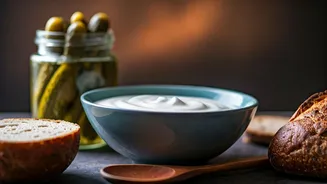
First, let’s get the terms straight. When we say ‘curd,’ we’re not talking about the cheese curds you find atop poutine. In many parts of the world, particularly India, ‘curd’ is simply yogurt. And curd drinks are yogurt-based beverages that have been
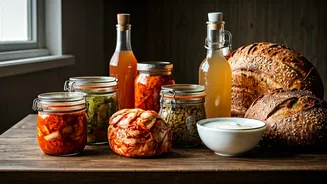
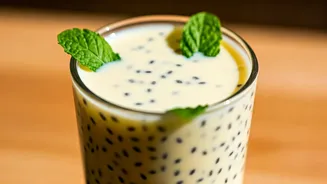
enjoyed for centuries. The two most common are lassi (a blend of yogurt, water, spices, and sometimes fruit) and chaas (a thinner, often savory version also called buttermilk). So why are nutritionists taking a fresh look? It's all about the gut. These drinks are naturally fermented, making them a fantastic source of probiotics—the beneficial bacteria that support a healthy digestive system. Unlike many sugar-loaded commercial yogurts and smoothies, traditional lassi and chaas are simple and focus on the inherent goodness of the yogurt. They can aid in digestion, help maintain a balanced gut microbiome, and are a great source of calcium and protein. Their cooling effect on the body also makes them a time-honored remedy for beating the heat, far more nourishing than a sugary soda.
Meet Sabja: The Tiny Seed That Could
If you’ve ever had the popular South Asian dessert drink falooda, you’ve seen sabja seeds. When soaked in water, these tiny black seeds (also known as basil seeds, but from the sweet basil plant, not the culinary herb) plump up and develop a gelatinous coating, creating a texture that’s part tapioca, part jello. But their appeal goes far beyond texture. Sabja seeds are a fiber powerhouse. Just one tablespoon can provide a significant portion of your daily fiber needs, which is crucial for digestive regularity and feeling full. This high fiber content helps slow down the absorption of sugar into the bloodstream, promoting stable energy levels. They are also rich in plant-based compounds like flavonoids and polyphenols, which act as antioxidants. For centuries, they've been used in Ayurvedic and Chinese medicine to treat everything from indigestion to skin ailments. Today, nutritionists recognize them as an easy, low-calorie way to boost fiber intake and support satiety.
Wait, Aren't Those Just Chia Seeds?
It’s a fair question. Sabja and chia seeds look similar and both form a gel in liquid, but they’re not the same. Chia seeds come from the Salvia hispanica plant, native to Mexico, while sabja seeds come from the Ocimum basilicum plant, native to tropical Asia. Nutritionally, they have some key differences. While both are good fiber sources, sabja seeds tend to have slightly more. On the other hand, chia seeds are a much richer source of omega-3 fatty acids, specifically ALA (alpha-linolenic acid). Another practical difference: sabja seeds need to be soaked to become edible and palatable, swelling up almost instantly. Chia seeds can be eaten raw (sprinkled on a salad) or soaked, where they take a bit longer to form their gel. Think of them as cousins with different strengths: reach for chia for a bigger omega-3 punch, and sabja for a slight edge in fiber and faster gelling.
How to Bring Them Into Your Kitchen
Incorporating these two wellness stars into your diet is surprisingly simple. You can make your own lassi by blending plain, full-fat yogurt with water until it reaches your desired consistency. For a sweet version, add mango pulp and a pinch of cardamom. For savory chaas, blend yogurt with water, a little black salt, and some crushed mint and cumin. As for sabja seeds, start by soaking them. Use a ratio of about one tablespoon of seeds to a half-cup of water and let them sit for 10-15 minutes until they’ve fully bloomed. From there, the possibilities are endless. Stir the gelled seeds into your homemade lassi, a glass of lemonade, or coconut milk for a refreshing beverage. Add them to your morning smoothie or oatmeal for a fiber boost, or layer them with fruit and yogurt for a healthy pudding-like dessert. They don’t have a strong flavor, so they absorb the taste of whatever you mix them with.