





Understanding Summer Stress on Plants
While the term “monsoon” is most associated with the American Southwest’s dramatic summer storm season, the principle applies to any region that shifts into a hot, humid, and rainy summer. For balcony plants in containers, this seasonal change is a double-edged
sword. The consistent water and heat can fuel explosive growth, but they also create the perfect environment for problems. Dense, overgrown foliage traps moisture, inviting fungal diseases like powdery mildew. Rapidly growing stems can become weak and “leggy,” flopping over under the weight of rain. A once-tidy garden can quickly become an untamed, unhealthy jungle. The goal isn’t to fight the growth, but to manage it proactively.
Why June Is the Magic Month
Timing is everything. Pruning in June is a strategic move that sets your plants up for success before the worst of the summer stress arrives. In late spring, most plants have established strong root systems and have plenty of energy stored up. Trimming them now, before the peak heat and daily downpours of July and August, gives them a brief window to recover and redirect their energy. Instead of spending that energy on maintaining long, unwieldy stems, they’ll use it to produce fresh, compact growth. Think of it as a haircut before a big event. You’re tidying things up and shaping the plant so it looks its best when the main show—the intense summer growing season—begins. Pruning too early can risk damage from a late cold snap, while waiting until July or August means you’re cutting back plants that are already stressed by heat and humidity, which can hinder their recovery.
The Primary Goal: Promoting Airflow
If you take away only one reason to prune in June, let it be this: airflow. When balcony plants are crowded together and their foliage is thick, air can’t circulate freely between the leaves and stems. After a rain shower or a humid morning, that trapped moisture sits on the leaves, creating an ideal breeding ground for fungal and bacterial diseases. By selectively thinning out your plants, you create channels for air to move through, drying foliage much faster. This simple act is one of the most effective organic methods for preventing common summer ailments. You’re not just making your plants look better; you’re building a natural defense system against the season’s biggest threats.
Your June Pruning Hit List
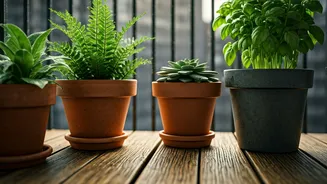
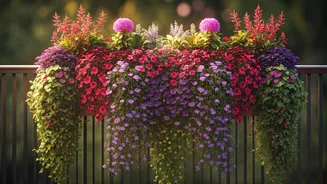
Not every plant needs the same treatment. Focus your efforts on the fast-growing plants that tend to get overgrown. - **Herbs:** Bushy herbs like basil, mint, oregano, and thyme respond beautifully to a June trim. Pinching back the top sets of leaves encourages them to grow wider and fuller, preventing them from flowering too early (which can make their leaves bitter). - **Flowering Annuals:** Petunias, calibrachoa, and geraniums can get leggy by mid-summer. Cutting back their longer stems by about a third will force new, bushier growth and a fresh wave of flowers just in time for peak summer. - **Vining Plants:** For plants like sweet potato vine, trim back any excessively long runners to keep the plant’s shape compact and encourage more density closer to the container. What to leave alone? Avoid heavily pruning plants that set their flower buds on old wood, like some hydrangeas (though these are less common on balconies). Also, give newly planted annuals a few more weeks to get established before giving them a significant trim.
How to Make the Right Cut
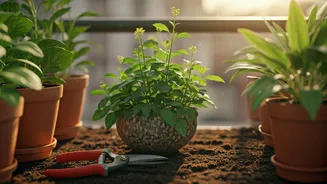
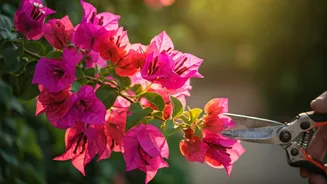
Good pruning is a science, but for a balcony garden, you only need to master a few basics. First, always use clean, sharp scissors or pruning snips. A clean cut heals faster and is less prone to disease. Wipe the blades with rubbing alcohol between plants to be extra safe. When you trim a stem, make your cut about a quarter-inch above a leaf node (the spot where a leaf grows from the stem). This is where new growth will emerge. The general rule is to never remove more than one-third of the plant’s total mass at one time. For most balcony plants, a light “pinch and trim” approach is all you need. Step back frequently to look at the plant’s overall shape, ensuring you’re creating a more open, balanced form.