
The Gentle Return of the Scallop
Remember the scalloped edges from Art Deco theaters or your grandmother’s favorite linens? They're back, but with a sophisticated, modern twist. The scallop—a series of repeating, wave-like curves—is appearing on everything from built-in shelving and cabinet
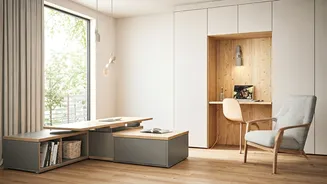
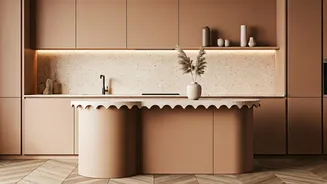
trim to bathroom tiles and furniture profiles. Unlike the stark geometry that has dominated design for the last decade, the scallop introduces a sense of playfulness and gentle rhythm. It’s a decorative detail that feels both nostalgic and fresh. On a bookshelf, it turns a simple storage unit into a statement piece. As a backsplash, it adds subtle movement and texture to a kitchen. This isn't about ornate, fussy design; it's about adding a touch of handcrafted personality and softness to otherwise clean lines, breaking up the monotony with a graceful, organic flourish.
The Social Power of a Rounded Island
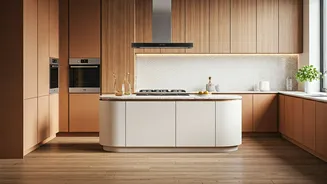
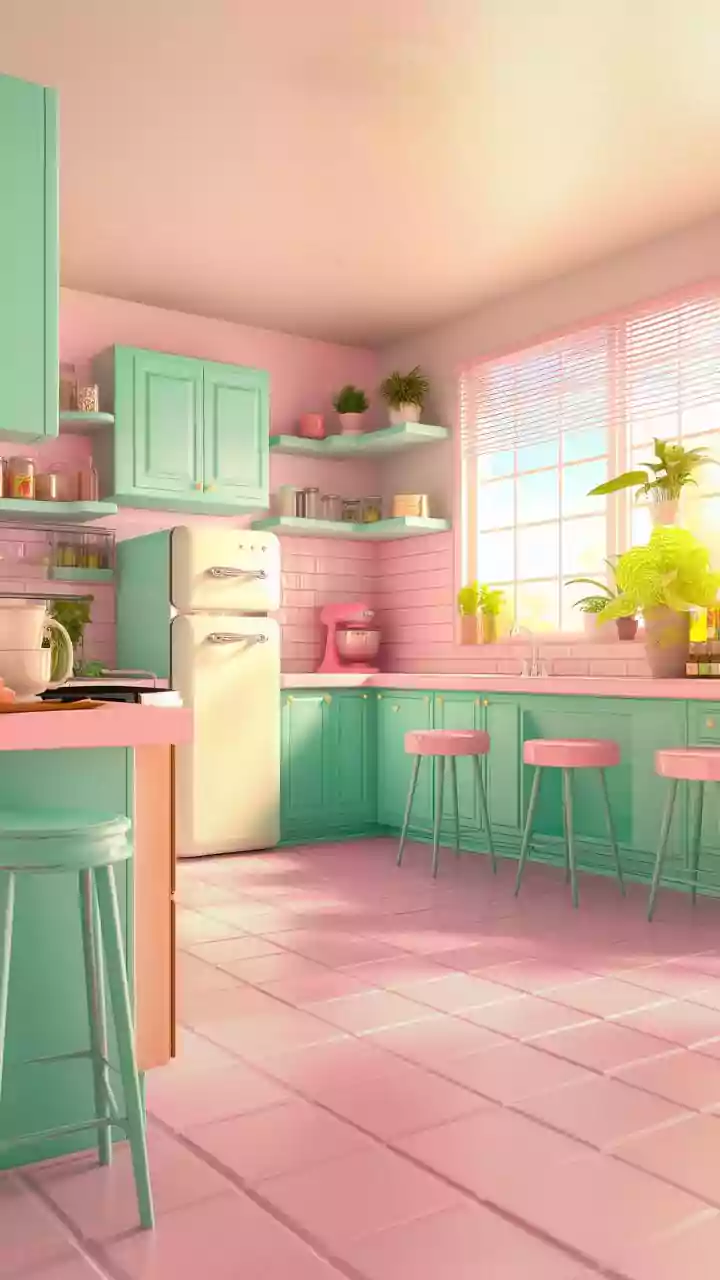
The kitchen island has long been the command center of the American home—a place for meal prep, homework, and impromptu gatherings. But for years, it has been a monolithic rectangle, a hard-edged block in the center of the room. The trend toward rounded islands is changing that dynamic entirely. By curving the corners or even creating a full semi-circle or pill-shaped island, designers are fundamentally altering how we move and interact in the kitchen. A rounded edge invites people to gather around it, eliminating the 'head of the table' feeling. It improves traffic flow, getting rid of sharp corners that are easy to bump into in a busy space. The curve encourages conversation and connection, transforming the island from a purely functional workspace into a more comfortable, social hub. It’s a simple change with a profound impact on the feeling of a home's most-used room.
Why We’re Craving Curves Now
This shift isn't happening in a vacuum. The rise of scalloped details and rounded forms is part of a larger movement in design often called “soft modernism” or “organic modern.” After years of minimalist interiors that sometimes felt cold or sterile, there's a collective desire for homes that feel like sanctuaries—nurturing, comfortable, and safe. Curves are inherently biophilic; they mimic the imperfect, gentle lines found in nature, like rolling hills, smooth stones, and flowing water. Psychologically, sharp angles can be perceived as aggressive or jarring, while curves are seen as calming and welcoming. In a post-pandemic world where our homes have become our offices, gyms, and havens, we’re seeking out design that soothes rather than stimulates. This trend is a direct response to that need, a collective exhale expressed through furniture and architecture.
Beyond the Kitchen: A Whole-Home Shift
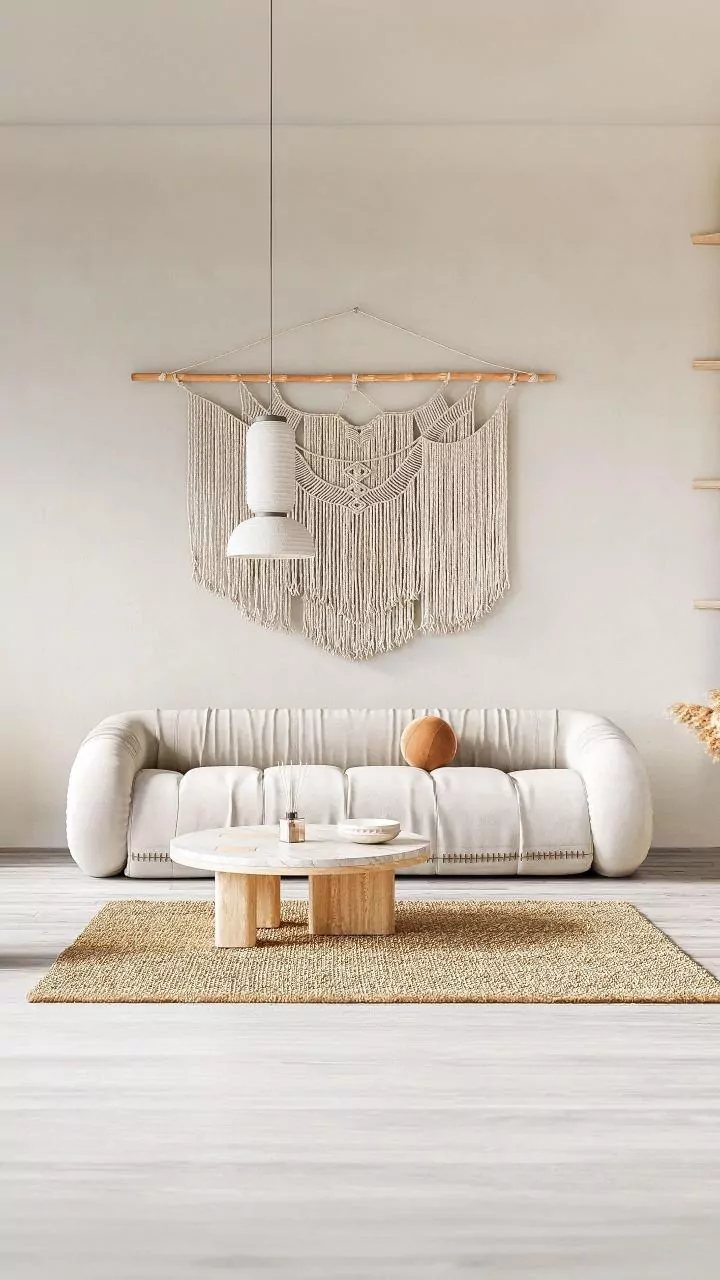
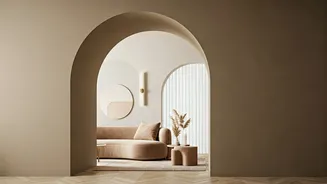
While scalloped shelving and rounded islands are standout examples, this celebration of curves is happening all over the house. Look no further than the popularity of curved “conversation pit” sofas, arched doorways and mirrors, and round, chunky coffee tables. The strict grid is being replaced by a more fluid and intuitive layout. Arched bookcases create elegant focal points, while plump, rounded armchairs beckon you to curl up with a book. This isn’t about abandoning modernism, but rather about evolving it. The core principles of clean lines and uncluttered spaces remain, but they’re being softened with organic shapes that add warmth and character. It’s a balanced aesthetic that feels both contemporary and timelessly comfortable.
How to Dip a Toe in the Trend
You don't need a full-scale renovation to embrace this softer look. Incorporating curves can be done in small, impactful ways. Start by swapping out accessories. Trade a square mirror for a circular or arched one. Add a scalloped-edge tray to your coffee table or a planter with a fluted, curved profile. When it’s time to replace furniture, consider a side table with rounded legs or a lamp with a dome-shaped shade. Even textiles can play a role—think throw pillows with a wavy pattern or a rug with a curved border. The goal is to layer in these gentle shapes to break up the rigidity of a room, adding visual interest and a palpable sense of comfort.