
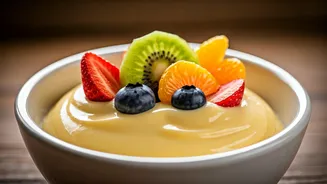

The Reign of the Glass Dish
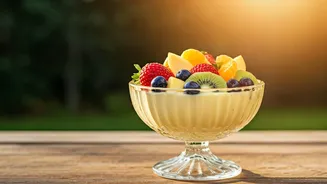
There’s a certain magic to a dessert you can see from all sides. Before you even taste it, you’ve eaten with your eyes, admiring the distinct strata of a layered pudding or the suspended fruit in a gelatin mold. This was the era of the glass dish—the
Pyrex 9x13, the deep trifle bowl, the fluted ring mold—and these vessels were the stage for America’s most beloved chilled milk desserts. Banana pudding is perhaps the ultimate example. Its beauty lies in its visible architecture: a precise layering of Nilla wafers softening into a cake-like consistency, sliced bananas browning just slightly at the edges, and a thick, decadent blanket of vanilla pudding. Served cold, it was the perfect antidote to a hot summer barbecue. Similarly, chocolate lasagna, with its layers of crushed Oreo crust, sweetened cream cheese, chocolate pudding, and Cool Whip, offered a visual promise of indulgence that never failed to draw a crowd at a church social or family reunion. These weren't fancy, fussy pastries; they were constructions of comfort, visible from across the room, signaling that the sweet part of the gathering had officially begun.
Mid-Century Magic and Convenience
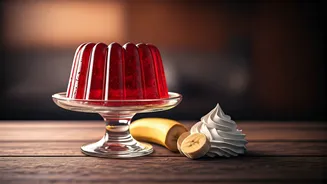
Many of these iconic desserts owe their existence to the post-war boom in convenience foods. The mid-20th century American kitchen was a laboratory of modernity, and brands like Jell-O, Dream Whip, and Jif peanut butter provided the building blocks for spectacular-looking treats that required minimal culinary skill. This wasn't a flaw; it was a feature. It democratized the potluck. A home cook could transform a simple box of instant pudding and a tub of whipped topping into a showstopper. Jell-O salads, both sweet and savory, became a cultural phenomenon. Whether it was a lime gelatin mold studded with cottage cheese and pineapple or a creamy orange concoction, these jiggly creations were a testament to ingenuity. They were colorful, inexpensive, and could be made a day ahead, freeing up hosts to focus on other things. This reliance on pantry staples meant these recipes were easily shared, passed down on recipe cards stained with vanilla extract, and became part of a collective culinary language. To make a Watergate Salad was to participate in a shared American tradition, one built on the simple, reliable magic of a box and a can.
A Scoop of Community
You can’t talk about chilled desserts without talking about the dishes that blur the line between side and sweet. Enter Ambrosia, the contentious but classic fruit salad bound with sour cream, yogurt, or whipped topping. Its ingredients—canned mandarin oranges, pineapple tidbits, miniature marshmallows, and shredded coconut—speak to a pantry-raiding practicality. For every person who scoffs, there's another who feels a deep, nostalgic pull toward its creamy, sweet-tart jumble. The same can be said for “fluff” salads, which come in a rainbow of flavors from pistachio to cherry. These dishes are quintessentially American potluck fare. They represent more than just their ingredients; they represent community. Bringing a giant bowl of your family’s signature fluff salad was an act of sharing. It was a contribution that didn’t require a hot oven or last-minute fussing. It was simply scooped out, cold and creamy, onto paper plates alongside potato salad and fried chicken—a familiar, comforting presence at every milestone, from holiday dinners to graduation parties.
Nostalgia on the Modern Menu
While you may not see as many congealed salads at gatherings today, the spirit of these chilled desserts is far from gone. In fact, it’s experiencing a renaissance. A new generation of bakers and home cooks is rediscovering the simple joy of these treats, often with a modern twist. That banana pudding might now be made with a from-scratch pastry cream and artisanal vanilla wafers. A trifle might feature seasonal fruit and homemade pound cake instead of store-bought. Chefs at high-end diners and trendy comfort food spots are putting elevated versions of these classics on their menus, tapping into our collective craving for the familiar. They understand that the appeal was never just about the taste; it was about the feeling. It's the memory of your grandmother letting you lick the pudding spoon, the sight of the dessert table at a family cookout, and the simple, uncomplicated pleasure of a cold, sweet treat shared with people you love. The ingredients may change, but the memories these desserts evoke remain as potent as ever.