



The Truth About 'Mango Worms'
Let’s address the elephant—or rather, the worm—in the room. Viral videos have circulated showing small larvae wriggling inside mangoes, sparking widespread concern. What you’re seeing are likely fruit fly larvae, not a new, monstrous “mango worm.” Fruit
flies, common worldwide, lay their eggs in ripening fruit. While certainly unappetizing, this isn't a uniquely mango-specific problem, and it's not as common as the internet might suggest, especially in the United States. Commercially imported mangoes undergo strict inspections by the USDA to prevent the entry of agricultural pests. Finding larvae in a grocery store mango is rare, though not impossible. It’s more likely to occur in fruit that is overripe, damaged, or sourced from smaller, less-regulated local growers. Your best defense is a good inspection. Look for tiny, pinpoint-sized holes or punctures in the skin, often accompanied by a soft, discolored spot or oozing juice. If you see these signs, it’s best to choose another mango.
Decoding Those Black Spots
One of the most common points of confusion for mango buyers is the presence of black spots on the skin. Are they a sign of sweetness or spoilage? The answer is: it depends. Small, superficial black specks or “freckles” are often harmless. They can be a sign that the fruit’s starches are converting to sugar, meaning you’re in for a sweet treat. This cosmetic imperfection is usually caused by a harmless fungus called anthracnose, which affects the skin but often doesn't penetrate the flesh. However, you should be wary of large, sunken, and mushy black patches. These indicate that the fungus has moved from a cosmetic issue to full-blown rot. The flesh underneath will be spoiled, brown, and taste unpleasant. A good rule of thumb: if the spots are small and firm to the touch, the mango is likely fine. If they are large, soft, and deep, leave it behind.
Handle With Care: The Mango Sap Warning
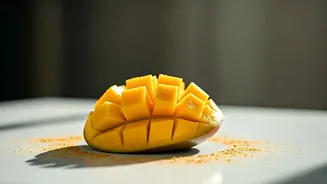
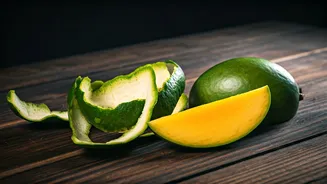
Ever noticed a slight skin irritation after handling a mango? You’re not imagining it. Mango skin, leaves, and the stem contain a small amount of urushiol, the same compound that gives poison ivy, poison oak, and poison sumac their infamously itchy power. For most people, the amount is too low to cause a reaction. But for those with sensitive skin or a known allergy, it can lead to contact dermatitis—a rash, blistering, or itching around the mouth or on the hands. This is often called “mango mouth.” To minimize risk, handle the fruit carefully. When you get it home, wash the exterior thoroughly before cutting. Use a sharp knife to slice the skin away, avoiding scraping the skin against the flesh. Wash your hands, the knife, and the cutting board immediately after preparation. If you know you are highly sensitive, wearing gloves while cutting the mango is a simple and effective solution.
Your Pre-Purchase Checklist
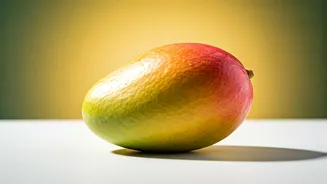
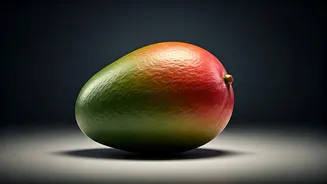
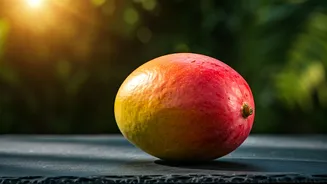
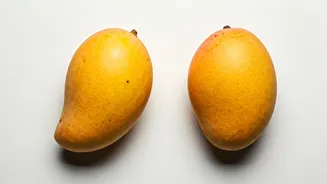
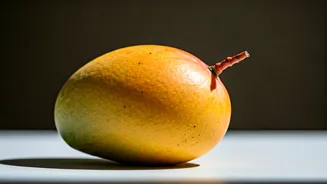
Now that you know what to avoid, let’s focus on how to pick a winner. Finding the perfect mango is a multi-sensory experience. First, gently squeeze the fruit. A ripe mango will have a slight give, similar to a ripe peach or avocado. If it’s rock-hard, it needs more time to ripen on your counter; if it’s mushy, it’s overripe. Next, use your nose. Sniff the area around the stem. A ripe mango should have a distinctly sweet, fruity, and fragrant aroma. A sour or fermented smell is a clear sign that the fruit has begun to spoil. Finally, inspect the appearance. Look for a plump, rounded fruit. Don't be too focused on color, as the ideal color varies by variety—from the all-green Keitt to the blushing red and yellow Tommy Atkins. Instead, focus on the absence of major red flags: no large, soft spots, no deep cuts or bruises, and no signs of shriveling or mold.