





Beyond Ice Cream: The 'Cooling' Philosophy
In the West, “cooling food” usually just means something that’s been refrigerated. But in India, the concept is far more sophisticated, rooted in Ayurvedic principles. Foods are categorized by their inherent nature, or *prakriti*, as either “heating”
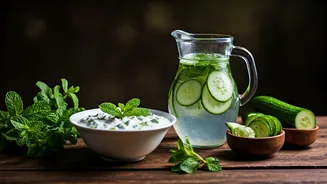
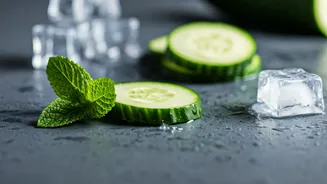
(*ushna*) or “cooling” (*sheeta*). This has nothing to do with their actual temperature. A cold beer on a hot day might feel good for a minute, but alcohol is considered a “heating” substance that can ultimately make you feel more sluggish and dehydrated. In contrast, a room-temperature glass of water with mint and cucumber—both cooling ingredients—is believed to help balance your internal system and reduce body heat from the inside out. This philosophy isn't about a quick fix; it's about maintaining equilibrium through the seasons.
Yogurt: The Probiotic Powerhouse
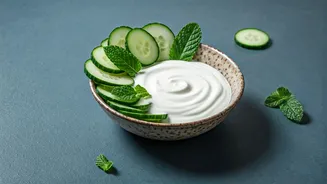
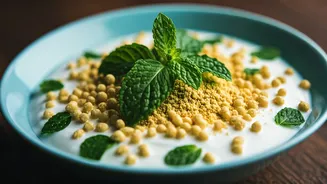
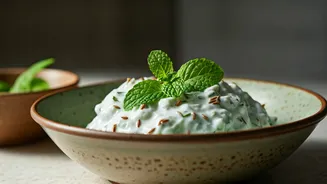
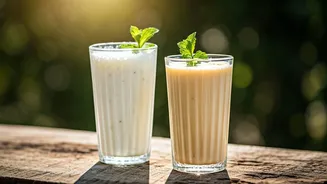
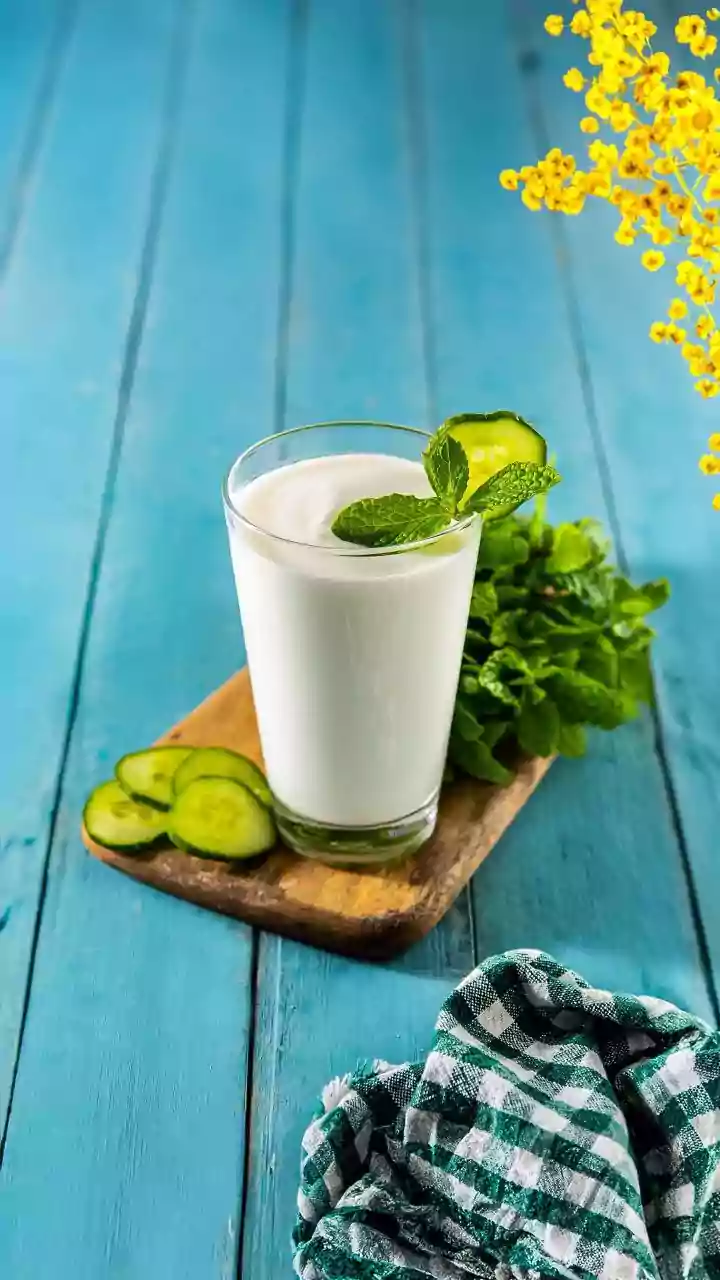
Walk into an Indian home on a summer afternoon, and you're almost guaranteed to find yogurt, or *dahi*, in some form. It’s the undisputed champion of cooling foods. Not only is it a probiotic that aids digestion—a process that can generate internal heat—but its versatility is unmatched. It’s whipped into *lassi*, a refreshing drink that can be sweet or savory. It's thinned with water and spices to create *chaas* (buttermilk), a hydrating digestive consumed after meals. And most iconically, it's the base for *raita*, a condiment where yogurt is mixed with cooling ingredients like grated cucumber, chopped mint, or tiny chickpea flour balls called *boondi*. A dollop of raita alongside a spicy meal is a classic example of balancing heating and cooling elements on one plate.
Herbs and Spices that Actually Chill
While we often associate Indian food with warming spices like cloves and cinnamon, the cuisine has an entire arsenal of herbs and spices prized for their cooling effects. Mint (*pudina*) is chief among them, used liberally in chutneys, drinks, and raitas. Its active compound, menthol, triggers the same receptors in our skin that sense cold, creating a physiological sensation of coolness. Similarly, cilantro, fennel seeds (*saunf*, often chewed after meals as a digestive), and cardamom are all considered cooling. They work to soothe the digestive system and counteract the heat of both the weather and other spicier ingredients in a dish, demonstrating a complex understanding of flavor that doubles as functional wellness.
Hydration, But Make It Delicious
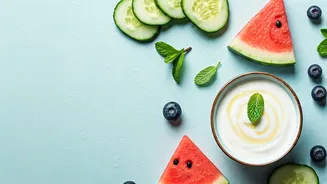
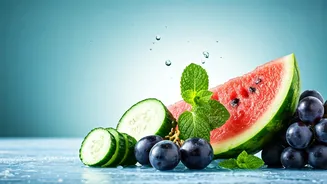
Forget sugary sodas. Traditional Indian summer drinks are designed for maximum hydration and replenishment. *Aam panna* is a stellar example: a tangy, sweet-and-sour drink made from boiled raw green mangoes, cumin, and black salt. It’s a powerhouse of electrolytes, believed to prevent the loss of sodium chloride and iron during heavy sweating. Another staple is *nimbu pani* (similar to lemonade but often savory), a simple mix of lime juice, water, sugar, and a pinch of salt that perfectly balances fluids and minerals. Then there are the fruits themselves. Watermelon and muskmelon, both packed with water, are eaten as simple snacks, their natural sugars providing energy without the heaviness of a processed treat.
Smarter Sweets for Hot Days
Even dessert gets a cooling makeover. Instead of heavy, oven-baked cakes and pies that heat up the kitchen and sit heavy in your stomach, Indian summer sweets are light and refreshing. *Kulfi*, often called traditional Indian ice cream, is a prime example. It’s denser and creamier than Western ice cream because it's not churned, and it’s often flavored with cooling ingredients like cardamom, pistachio, and mango. It melts slower, offering a prolonged, creamy coolness. Other popular choices include fruit salads (*phirni*), a light rice pudding often flavored with rosewater, or simply a bowl of chilled mangoes, the undisputed king of Indian summer fruits.