





Assess Your Garden's Vulnerability
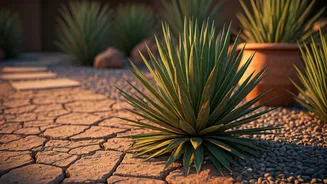
Before the first storm clouds gather, take a walk around your yard, patio, or balcony with a critical eye. Identify which plants are most exposed to the elements. That majestic saguaro is probably fine, but what about the delicate new bougainvillea or the top-heavy
ficus in a lightweight pot? Plants in hanging baskets, on railings, or in open, unsheltered areas are at the highest risk from wind. Similarly, plants situated in low spots in your yard are susceptible to drowning in a sudden downpour. Make a mental list or even a quick sketch of your high-risk plants. This initial assessment will be your roadmap for the rest of your prep, helping you prioritize your efforts where they’ll matter most.
Secure Your Pots and Containers
The number one cause of monsoon-related plant casualties is wind. A sudden, powerful gust can turn a beloved potted plant into a projectile, resulting in broken pots, snapped stems, and a heartbreaking mess. The best defense is to reduce their exposure. If possible, move smaller, lighter pots to a more sheltered location, like against the house, under a covered patio, or even into the garage during a severe storm warning. For larger pots that are too heavy to move, try grouping them together. This creates a collective weight and stability, making it harder for wind to single one out. You can also weigh down pots by placing a few decorative rocks on top of the soil, which has the added benefit of reducing soil splash during heavy rain.
Prioritize Proper Drainage
Monsoon storms deliver an enormous amount of water in a very short time, which can be disastrous for plants that hate 'wet feet.' For container plants, this is a critical moment. First, ensure every pot has at least one drainage hole. If it doesn't, now is the time to drill one or switch pots. Next, clear away any saucers that might collect water and create a swampy environment for the roots. Elevating your pots on 'pot feet' or even simple bricks is an excellent way to guarantee that excess water can drain away freely. For in-ground plants, especially those in clay-heavy soil, avoid overwatering between storms. The ground may already be saturated, and adding more water can quickly lead to root rot, one of the most common post-monsoon plant ailments.
Prune for Wind Resistance
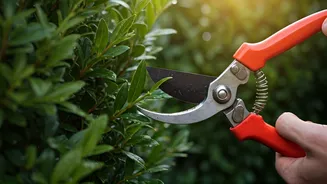
It may seem counterintuitive to cut back your plants before they get a big drink of rainwater, but a strategic prune can be a lifesaver. Think of it like trimming a ship's sails before a squall. Long, leggy branches or dense, overgrown canopies act like a sail, catching the full force of the wind and increasing the risk of broken limbs or entire plants being uprooted. Thinning out some of the interior branches on shrubs and trees allows wind to pass through them rather than pushing against them. This reduces the overall strain on the plant's structure. Focus on removing any dead, weak, or crossing branches first. This not only improves the plant's storm-worthiness but also its general health and appearance.
Embrace the Monsoon's Gifts
Preparation isn't just about battening down the hatches; it's also about preparing to reap the benefits. Rainwater is a gift from the sky for your plants—it's naturally soft, slightly acidic, and free of the salts and minerals found in tap water. Place a few empty buckets or a rain barrel to collect this precious resource for future waterings. The spike in humidity is a welcome spa day for tropical houseplants that may have been suffering in the dry air. Consider moving your orchids, ferns, and monsteras to a covered patio where they can soak up the ambient moisture without getting pummeled by the rain. Finally, take a moment to enjoy it. The break in the intense summer heat and the life-giving rain are what make this season so special for desert dwellers and their gardens.