




The Reimagined Murphy Bed
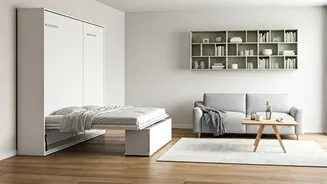
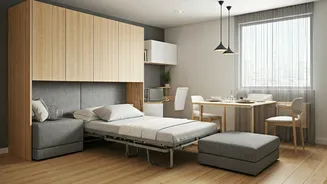
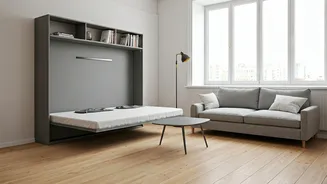
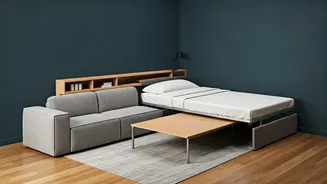
Forget the clunky, spring-loaded contraption from old sitcoms. Today’s Murphy beds are marvels of engineering and style. Often called wall beds, these modern versions are seamlessly integrated into custom cabinetry, shelving units, or even media centers.
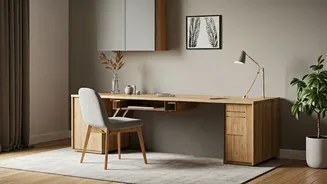
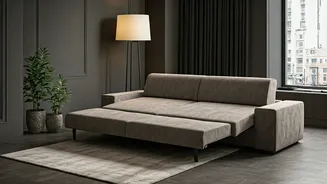
Many now feature integrated desks that remain level as the bed folds down, meaning you don't have to clear your workspace to go to sleep. Others conceal a comfortable sofa, transforming a living room into a guest room in seconds. By allowing a single room to serve as both a home office and a bedroom, the modern Murphy bed is the ultimate tool for maximizing a studio or one-bedroom apartment, effectively giving you an extra room you didn't have.
Furniture That Does Double Duty
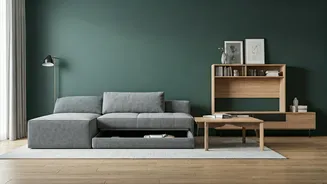
Single-purpose furniture is becoming a luxury many can't afford—in terms of space, not just money. The new heroes of home design are pieces that work overtime. Think of the coffee table that, with a simple lift-and-lock mechanism, rises to become a dining table for four. Or the stylish ottoman that opens up to reveal cavernous storage for blankets, board games, or shoes. Entryway benches often feature hidden shoe racks, and side tables may incorporate magazine holders or charging stations. This trend is about demanding more from every object in your home. Before buying anything, the essential question is no longer just “Do I like it?” but “What two or three things can it do for me?”
Embracing Vertical Space
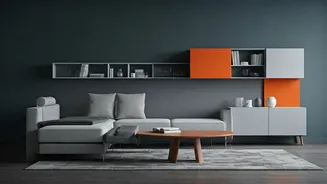
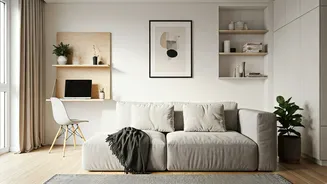
When you can't build out, build up. This age-old architectural wisdom is now a guiding principle for interior design. Floor-to-ceiling shelving not only provides immense storage but also draws the eye upward, making a room feel taller and more expansive. In children's rooms or small bedrooms, loft beds are a game-changer, freeing up the entire floor space underneath for a desk, a play area, or a cozy reading nook. In kitchens, upper cabinets that extend to the ceiling offer a place for rarely used appliances, while in closets, high shelves can store out-of-season clothing. Using wall-mounted shelves instead of bulky bookcases clears the floor, creating an illusion of more space and a cleaner, more organized look.
The Power of Modular and Adaptable Pieces
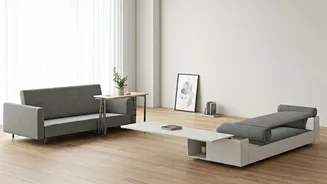
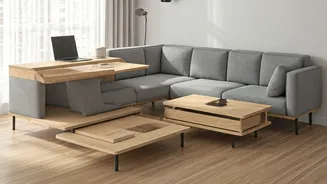
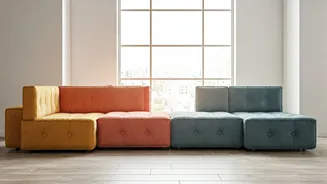
Life changes, and in a small space, your furniture should be able to change with you. Modular design is the answer. Instead of a massive, immovable sectional sofa, consider a modular one composed of several smaller pieces that can be reconfigured. They can form an L-shape for movie night, separate into armless chairs for a party, or even become an impromptu guest bed. The same logic applies to shelving. Modular cube systems can be stacked, rearranged, and added to as your needs evolve, moving from a low-slung media console to a tall bookcase over time. This adaptability prevents you from being locked into a single layout and ensures your furniture serves you for years, not just for your current floor plan.
Making Every Nook Count
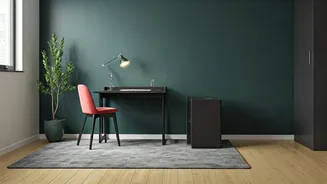
Awkward corners, the space under the stairs, and short, dead-end hallways used to be wasted real estate. Today, they are prime opportunities for custom-fit functionality. A small, unloved nook can become a highly efficient home office with a floating desk and a few shelves. The area under a staircase is the perfect spot for pull-out pantry drawers, a built-in dog crate, or a compact powder room. Even a wide hallway can be narrowed slightly to accommodate a wall of slim, floor-to-ceiling cabinets for linens and cleaning supplies. This approach treats your home's blueprint like a puzzle, finding a purpose for every single piece, no matter how unconventional its shape.