




Recognize the Danger Outside
First, let’s be clear: this isn’t about being soft. Exercising in extreme heat is genuinely dangerous. When the temperature and humidity soar, your body works overtime to cool itself. Pushing it with strenuous activity can overwhelm this natural cooling
system, leading to dehydration, heat exhaustion, or even life-threatening heatstroke. The Centers for Disease Control and Prevention (CDC) warns that symptoms like heavy sweating, dizziness, nausea, and a faint or rapid pulse are serious red flags. The safest move during a peak heat advisory isn't to “power through it” but to take your workout indoors. Think of it not as a compromise, but as a strategic pivot to protect your health and maintain your progress.
Embrace Bodyweight Circuits
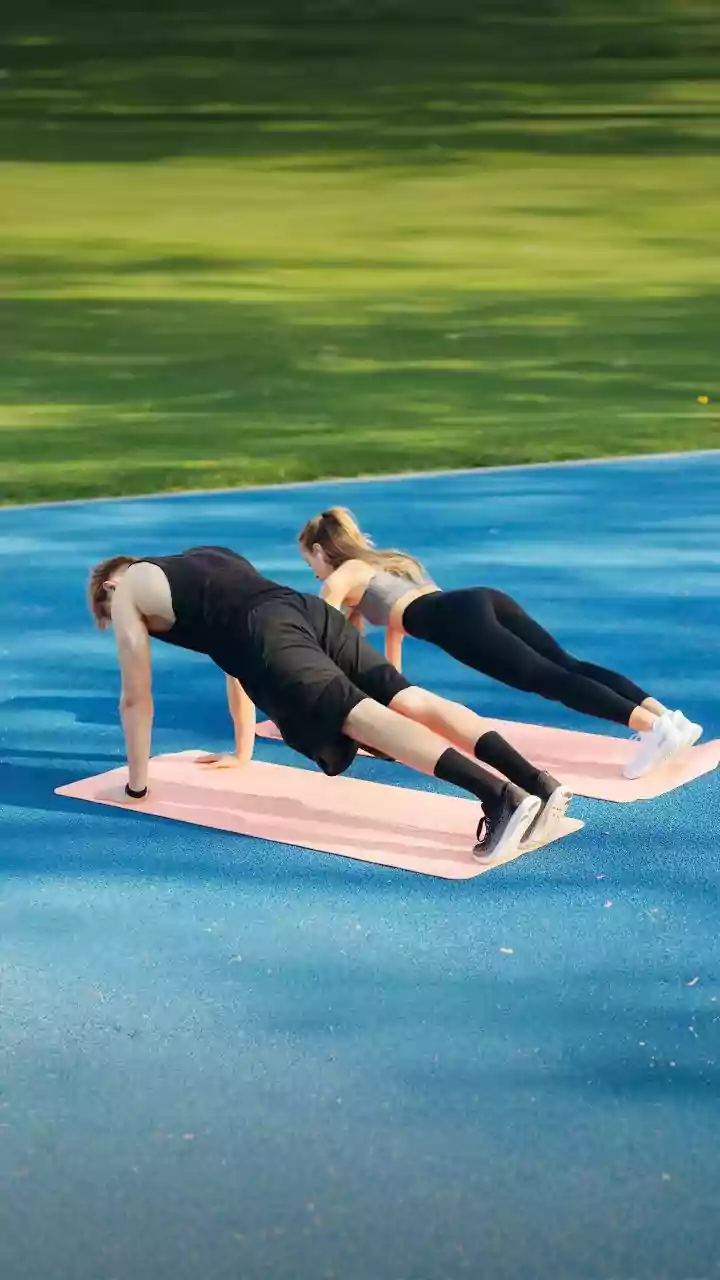
No gym membership? No problem. Your living room is an ideal space for a high-intensity, no-equipment workout. Bodyweight exercises are incredibly effective for building strength and getting your heart rate up. Design a simple circuit: 45 seconds of an exercise followed by 15 seconds of rest. Move from one exercise to the next and complete the full circuit 3-4 times. A great starting point includes classics like squats, push-ups (on your knees or toes), lunges, planks, and jumping jacks. The beauty of this approach is its infinite customizability. You can swap in glute bridges, mountain climbers, or burpees to keep things interesting and target different muscle groups, all without needing a single piece of equipment.
Rediscover Low-Impact Cardio
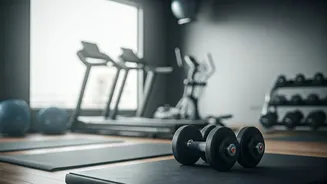
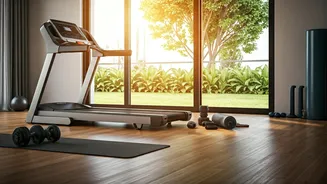
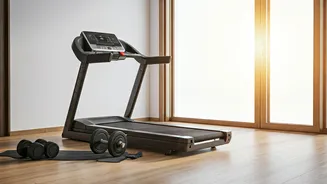
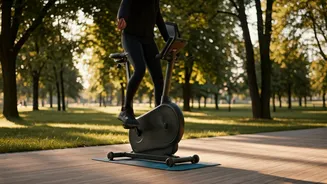
When you think of cardio, you might picture pounding the pavement for miles. Indoors, you can get a fantastic cardiovascular workout with less joint stress. If you have access to a stationary bike, elliptical, or treadmill, now is their time to shine. But even without machines, you have options. High-Intensity Interval Training (HIIT) can be done in a small space—think fast feet, high knees, or burpees for short bursts. For a less intense but equally effective session, try a dance workout tutorial on YouTube, which combines fun with cardio, or even just put on your favorite playlist and move. Jumping rope, if you have the space and forgiving downstairs neighbors, is another phenomenal calorie-burner.
Focus on Mobility and Flexibility
A heatwave can be the perfect excuse to focus on the often-neglected pillars of fitness: mobility and flexibility. These workouts generate less body heat but provide immense benefits, from preventing injury to improving posture and reducing stress. Roll out a yoga mat and follow a guided vinyasa flow or a deep-stretching yin yoga session online. Platforms like YouTube offer thousands of free, high-quality classes for all levels. You can also dedicate 20-30 minutes to foam rolling tight muscles or practicing mobility drills for your hips, shoulders, and spine. You’ll end the session feeling refreshed and loose, not overheated and drained.
Leverage Digital Fitness Classes
The world of on-demand fitness has never been more robust. This is the perfect time to take advantage of it. Many apps and platforms offer free trials, giving you access to everything from barre and Pilates to kickboxing and strength training. These guided classes solve the motivation problem—an instructor is there on screen to push you, correct your form, and structure the workout for you. It’s an easy way to try something new without the commitment of a studio membership and discover a workout style you might fall in love with long after the heat has broken.
Optimize Your Indoor Environment
Finally, make your indoor workout space as comfortable as possible. If you have air conditioning, use it. If not, a well-placed fan (or two) can make a world of difference by circulating air and helping sweat evaporate. Hydration is even more critical when it's hot, so keep a large, ice-filled water bottle nearby and sip from it consistently throughout your workout. Also, listen to your body. Even indoors, you might feel the effects of the oppressive ambient heat. If you feel dizzy or overly fatigued, it’s okay to shorten your workout or lower the intensity. The goal is consistency and safety, not a single, punishing session.