


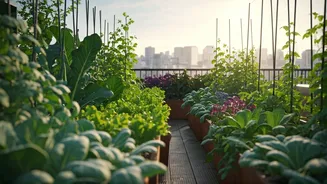
From Wasted Space to Personal Pantry
The feeling of “usefulness” is about more than just utility; it’s about purpose. A neglected balcony often feels like a missed opportunity, a few square feet of open air you’re paying for but not truly living in. Introducing an edible garden fundamentally
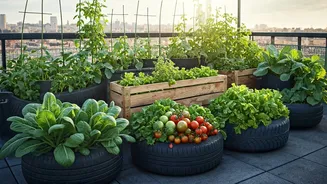
changes this dynamic. Suddenly, the space isn’t just for storage; it’s a source of fresh ingredients, a mini-farm that connects your home directly to your kitchen. The simple act of stepping outside to snip fresh basil for your pasta or harvest a sun-ripened cherry tomato for a salad transforms the balcony from a passive appendage to an active, contributing part of your daily life. This shift in function is what creates that profound sense of usefulness. It becomes a destination with a purpose, a place for nurturing, harvesting, and enjoying.
Easy Wins: What to Grow First
The key to a successful balcony garden is starting with plants that offer a high reward for relatively low effort. You don't need a sprawling plot to get a satisfying harvest. Focus on compact, container-friendly varieties.
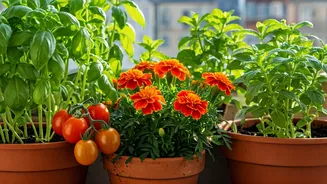
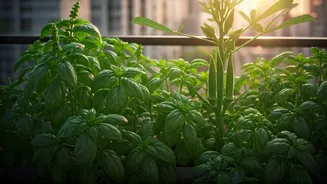
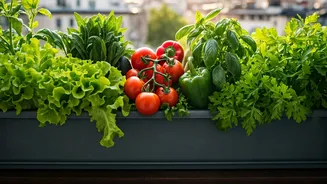
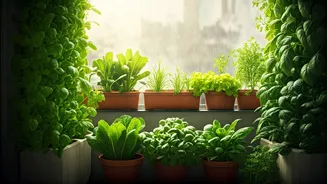
Herbs: This is the undisputed starting point for any small-space gardener. Most herbs are incredibly resilient and thrive in pots. Start with essentials like basil, mint (keep it in its own pot, as it spreads aggressively), rosemary, thyme, and chives. Having these on hand will instantly elevate your cooking.
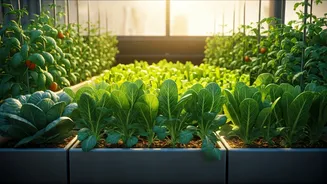
Leafy Greens: Forget bagged salads. 'Cut-and-come-again' greens like loose-leaf lettuce, spinach, and arugula are perfect for containers. You can harvest the outer leaves, and the plant will continue producing from the center, giving you a steady supply for weeks.
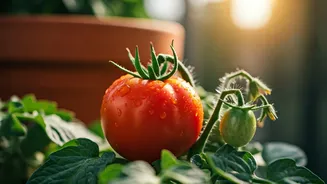
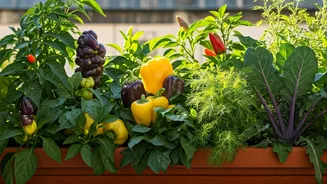
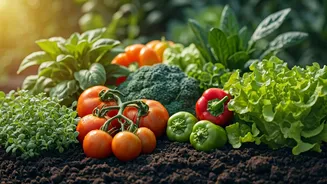
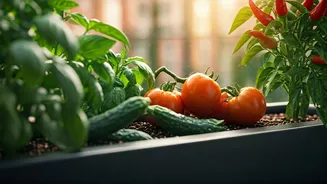
Compact Fruiting Plants: You might be surprised what you can grow. Look for 'determinate' or 'patio' varieties of tomatoes, which are bred to stay small and bushy. Bush beans, peas, and even certain types of small peppers and strawberries flourish in pots and hanging baskets, providing the unmatched thrill of picking your own produce.
Setting Up for Success
A little planning goes a long way. Before you buy a single seed, consider the three pillars of container gardening: sun, soil, and structure.
Follow the Sun: Spend a day observing your balcony. Does it get scorching afternoon sun, gentle morning light, or mostly shade? Most vegetables and herbs need at least 6 hours of direct sunlight. If you have less, focus on shade-tolerant greens and certain herbs like mint and parsley. Knowing your light conditions is the single most important factor for success.
The Right Pot for the Plot: Container size matters. Small pots dry out quickly and restrict root growth. A good rule of thumb is to use the largest pot you can comfortably fit and manage. A 5-gallon pot is a great starting size for a tomato plant, while a long window box can host a variety of herbs or lettuces. Ensure every pot has drainage holes at the bottom to prevent root rot.
Good Soil and Smart Watering: Don't use soil from your yard, which is too dense and may contain pests. Invest in a quality potting mix designed for containers. This provides the right balance of drainage, aeration, and nutrients. Balcony gardens also dry out faster than in-ground ones, so be prepared to water regularly, especially during hot weather. Check the soil daily by sticking your finger an inch deep; if it's dry, it's time to water.
More Than Just a Meal
While the practical benefit of fresh, free food is undeniable, the true value of an edible balcony garden often lies in the intangible. It’s a daily connection to nature in an urban environment. It’s a quiet, mindful ritual—the five minutes spent watering in the morning or checking for new growth in the evening. It creates a living, breathing green space that softens the hard lines of the city, cools the air, and attracts pollinators like bees and butterflies. This small patch of green becomes a sanctuary, a place to de-stress, and a source of simple, profound satisfaction. Your balcony stops being just a feature of your apartment and becomes a feature of your well-being.