

The Rise of 'Quiet Travel'
For years, the dominant image of youth travel was defined by a checklist of iconic, Instagrammable moments: the perfect shot in front of the Eiffel Tower, a boomerang from a bustling Bali beach club, a time-lapse of a Santorini sunset. But a significant
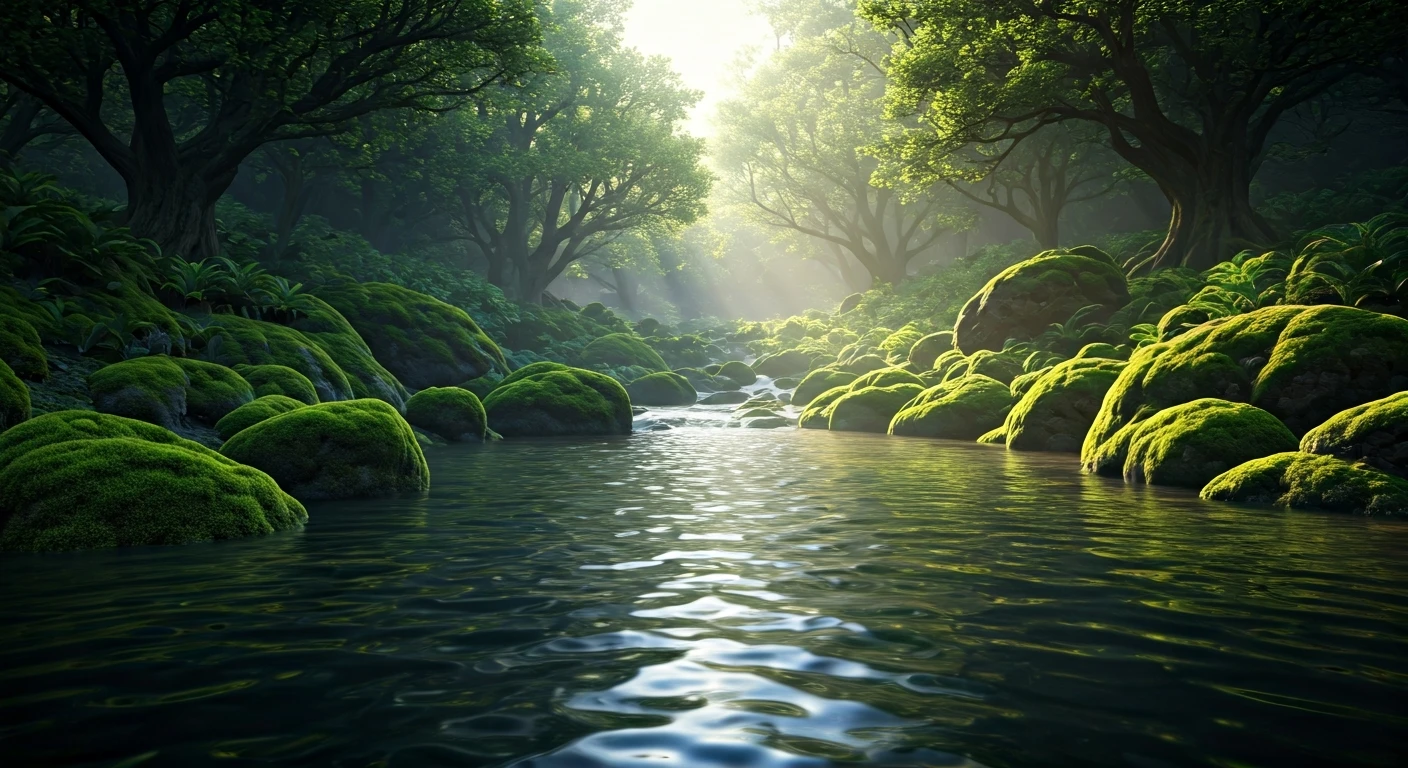
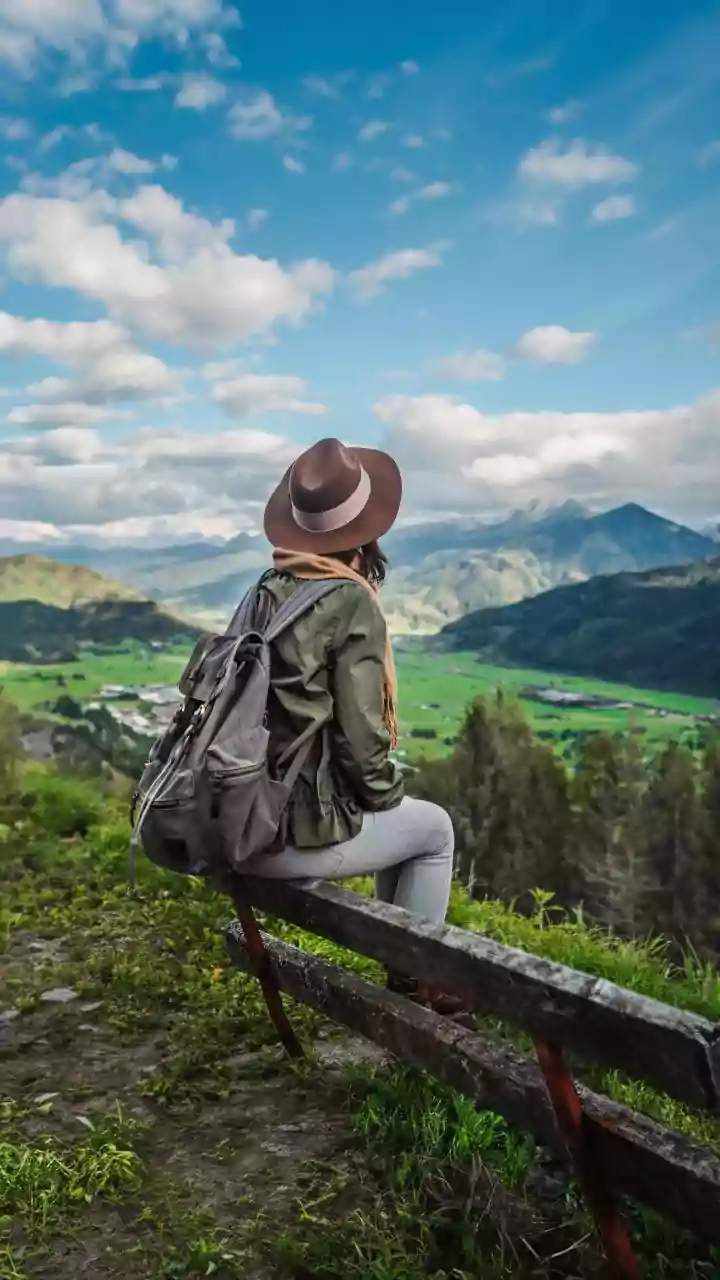
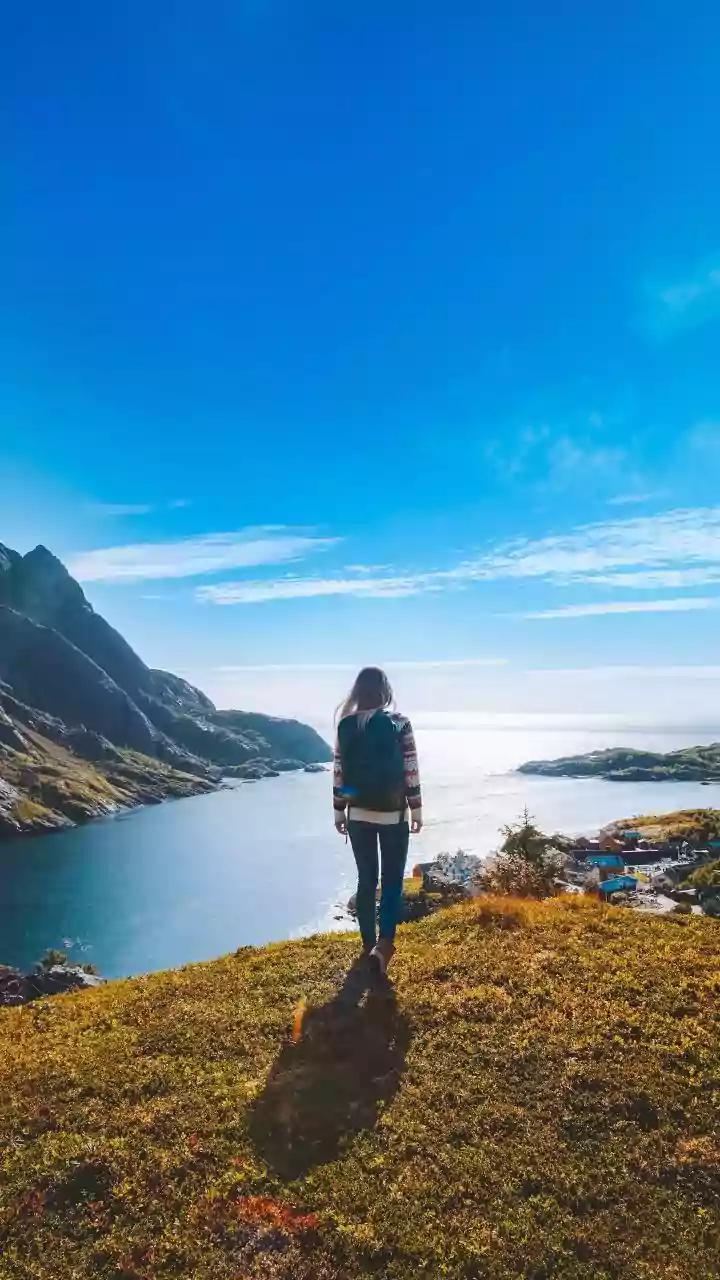
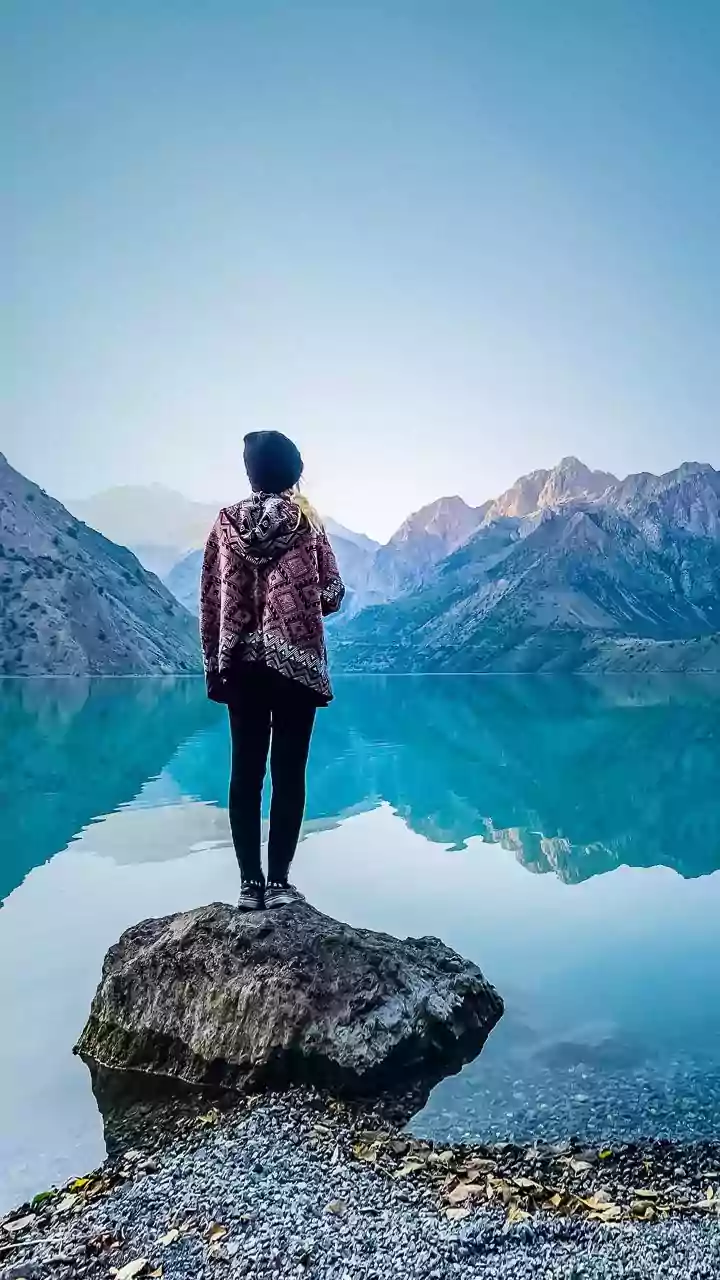
counter-trend is emerging, driven by Gen Z and younger Millennials. Dubbed 'quiet travel' or 'silent tourism,' this movement prioritizes serene landscapes, mental peace, and a disconnect from the digital noise that defines their everyday lives. It’s less about capturing content for an audience and more about achieving a state of personal calm. This isn't about being antisocial; it’s about being anti-stimulation. Instead of hunting for the best photo op, these travelers are searching for national parks with empty trails, coastal towns in the off-season, and destinations where the main attraction is the profound lack of distraction.
A Backlash Against Digital Burnout
To understand this desire for silence, one has to understand the world this generation grew up in. Gen Z is the first cohort to have their entire lives, from childhood to adulthood, documented and mediated through screens. The pressure to perform, post, and stay perpetually online has led to widespread digital fatigue. Travel, which was once an escape, became another stage for this performance. The 'selfie crowds' are not just a physical nuisance; they represent the very pressure many young people now hope to escape. Seeking a quiet forest, a remote cabin, or a city neighborhood without a single must-see tourist trap is a form of rebellion. It’s a conscious decision to reclaim an experience for oneself, not for one’s followers. The ultimate luxury is no longer a five-star hotel, but the freedom to not have to document it.
From 'Proof of Visit' to Personal Restoration
This shift marks a deeper change in travel values, moving from an extrinsic model to an intrinsic one. The old model was about 'proof of visit'—collecting experiences and photos as social currency. The new model is about personal restoration. The goal isn't to 'do' a place, but to simply 'be' in it. This aligns with the rise of wellness culture and the growing awareness of mental health. Young people are increasingly viewing their vacation time not as an opportunity to party or pack in activities, but as a crucial period for psychological recovery. Concepts like 'slow travel'—spending more time in one place to connect with it deeply—and the Japanese practice of 'shinrin-yoku' or 'forest bathing' are gaining traction. The measure of a successful trip is no longer the number of landmarks ticked off a list, but how rested, centered, and clear-headed one feels upon returning.
How the Travel Industry Is Adapting
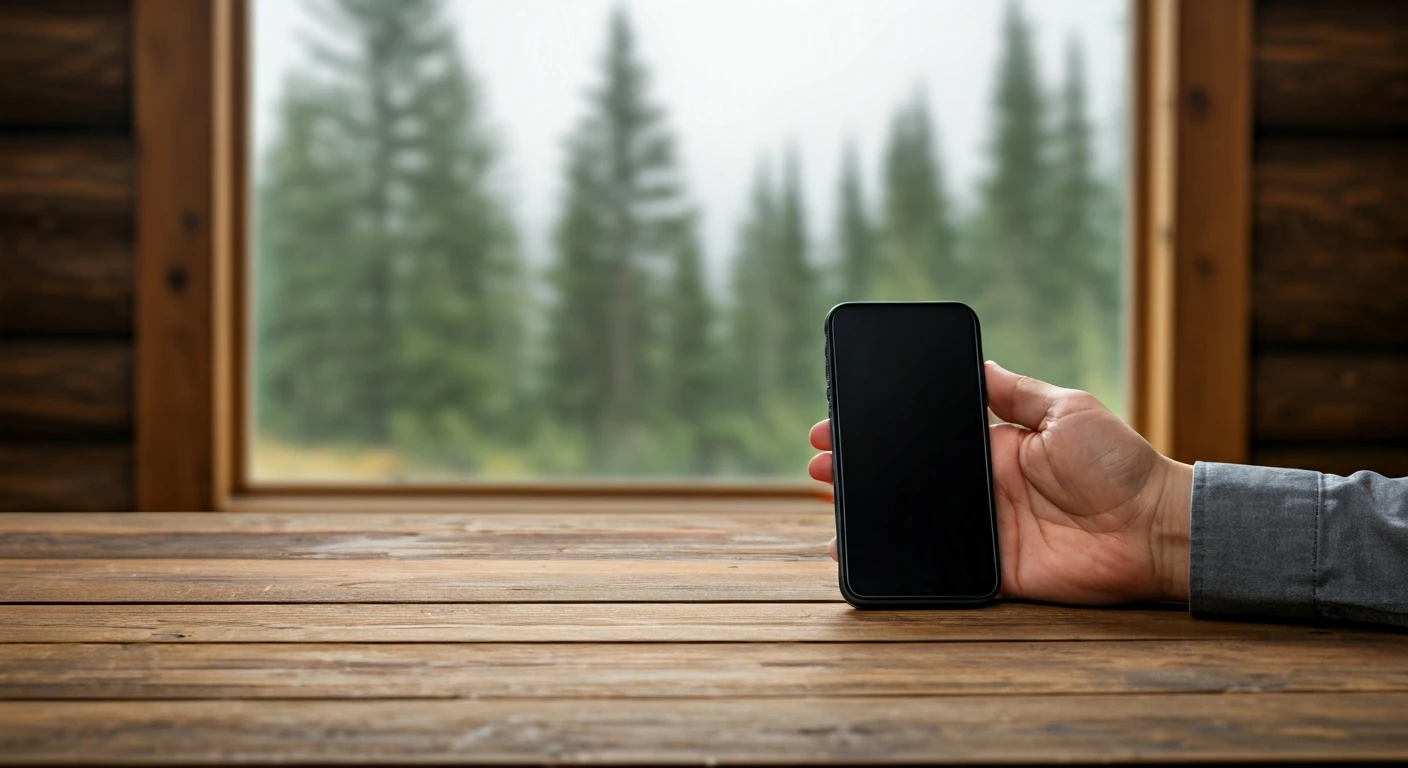
The travel industry, long geared toward selling spectacle and volume, is slowly beginning to take notice. Astute hotels and tour operators are starting to market tranquility as a key amenity. This goes beyond the traditional spa retreat. We're seeing the rise of 'digital detox' packages where guests are encouraged to lock their phones away. Destinations are promoting their quiet seasons and 'off-the-beaten-path' itineraries that guide travelers away from overwhelmed hotspots. National and state parks, once seen as a niche interest, are becoming primary destinations for this demographic. Some are even promoting 'quiet zones' or silent trails. The future of travel for a significant portion of the market may lie not in building bigger attractions, but in preserving and promoting the simple, profound appeal of peace and quiet.