


A World Away from Instant Pot Culture
In an era defined by speed and convenience, a fascinating counter-trend is emerging from a corner of Northeast India. Creators from Assam are sharing videos of their kitchen rituals, and the world is captivated. These aren’t just recipes; they are patient,
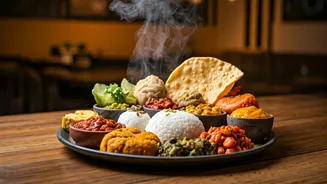
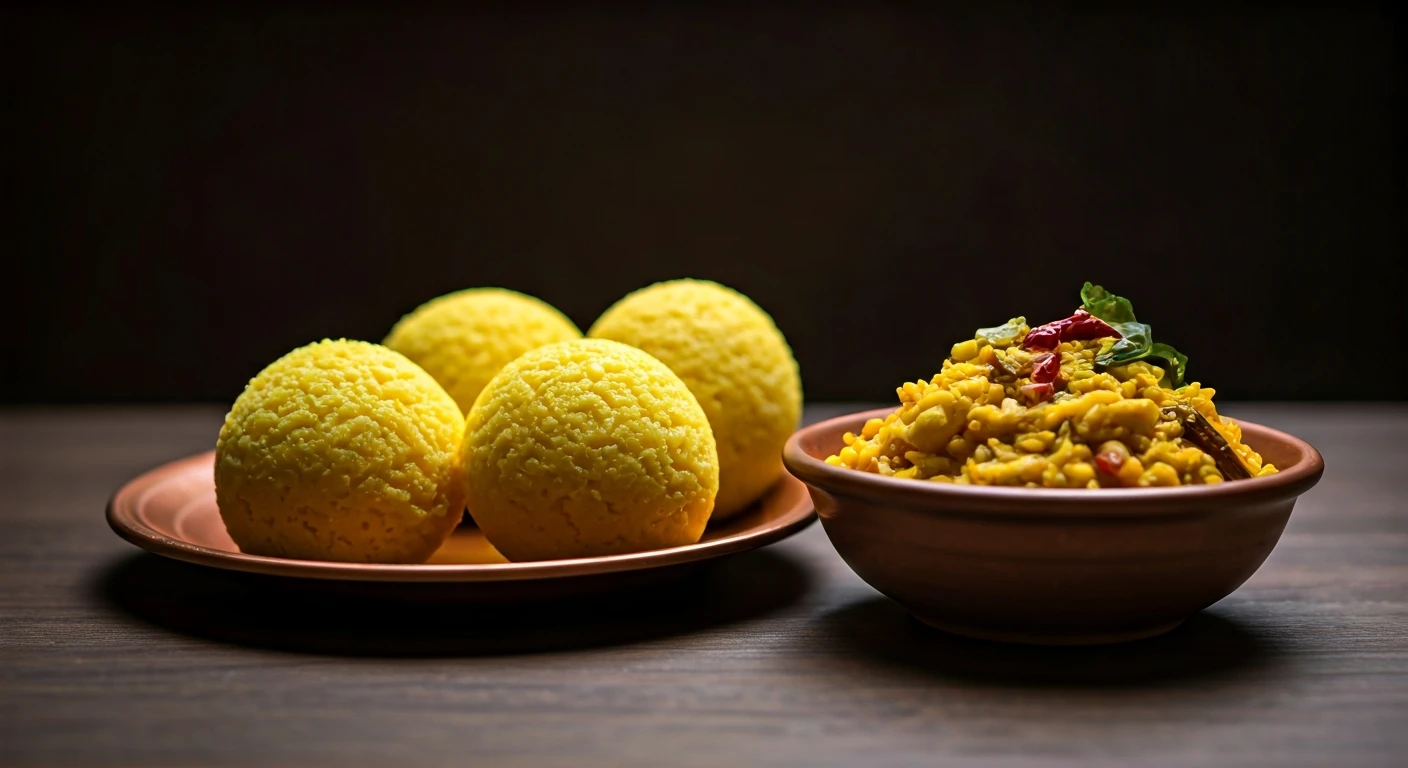
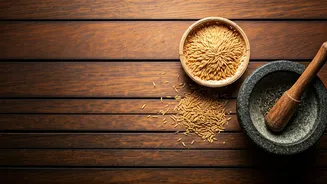
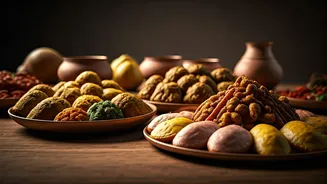
multi-step processes steeped in tradition. We see women gathered together, using a *dheki*—a long wooden beam operated by foot—to husk and pound rice into flour. We watch hands expertly rolling sticky rice cakes called *pithas*, and we hear the gentle sizzle of mustard oil in a pan. For a U.S. audience accustomed to pre-packaged ingredients and 30-minute meals, the appeal is undeniable. It’s a glimpse into a world where food is not just fuel, but a central pillar of community, celebration, and cultural identity.
First, Where Is Assam?
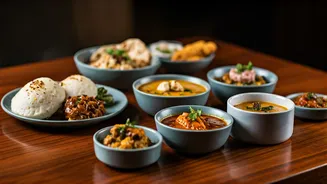
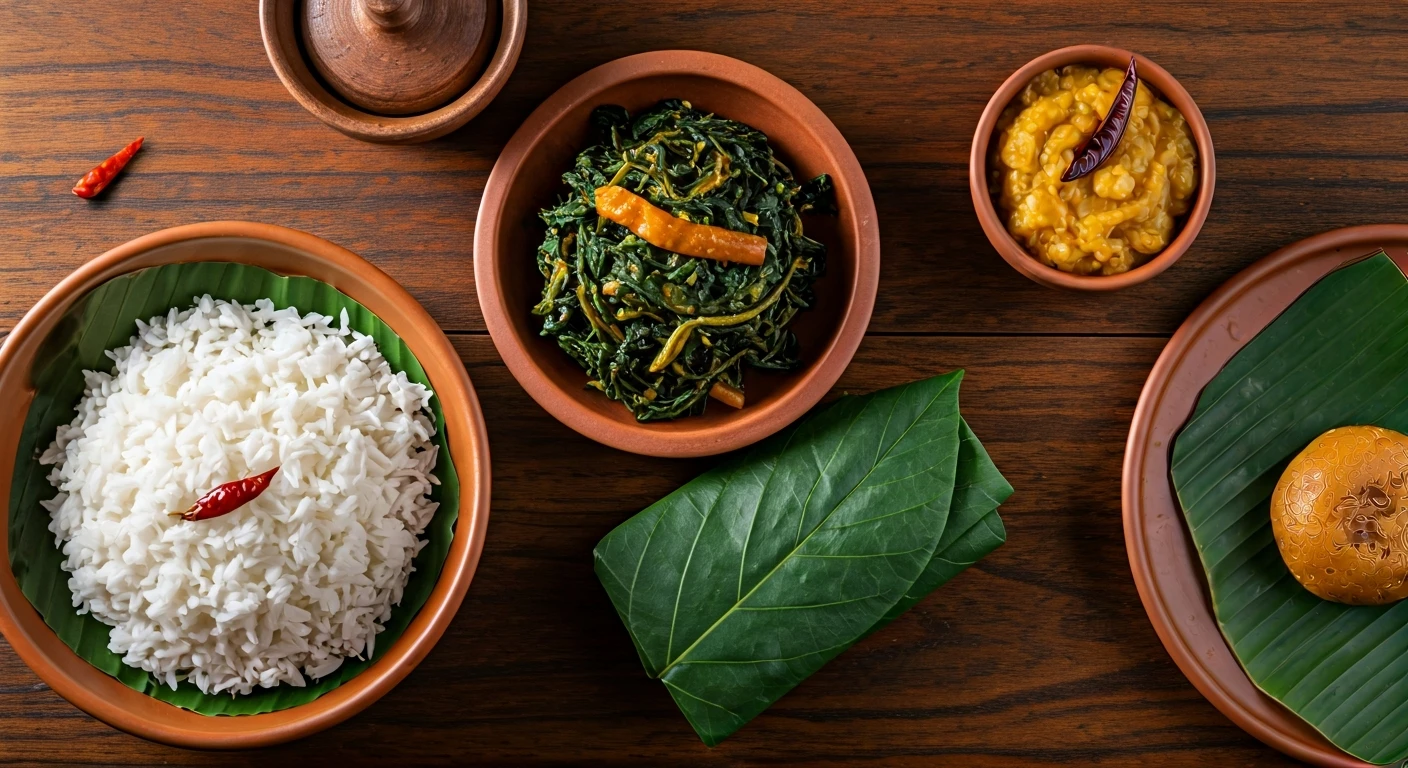
To understand the food, you have to understand the place. Assam is a state in Northeast India, nestled in the lush Brahmaputra river valley. Known globally for its robust black tea, it’s a region of incredible biodiversity, with a culture distinct from much of mainland India. Its cuisine is a direct reflection of this environment. It’s less about the heavy spices and creams you might find in a typical American Indian restaurant and more about fresh, seasonal, and foraged ingredients. Key flavor profiles include *khar* (an alkaline preparation made from banana peels) and *tenga* (a souring agent, often from tomatoes or lime), which give Assamese food its unique and subtle character. This connection to the land is precisely what makes its kitchen rituals so visually and spiritually compelling.
The Allure of the Process
So why are these videos resonating now? A big part of it is the rejection of our hyper-optimized food culture. The Assamese content offers a form of “slow content” for a “slow food” movement. There's an almost ASMR-like quality to the sounds—the pounding of the *dheki*, the scraping of coconut, the sizzle of oil. The visuals are earthy and authentic, free from the polished perfection of a sterile test kitchen. Watching someone take hours to prepare rice flour for the Bihu harvest festival isn't about finding a shortcut; it's about appreciating the value of the process itself. It taps into a growing desire for mindfulness and a connection to something tangible and real. In a digital world, this analog, hands-on tradition feels like a powerful antidote to screen fatigue.
Cultural Preservation in the Digital Age
For the Assamese creators behind this content, social media is more than just a platform for viral fame; it’s a tool for cultural preservation. Many of these rituals, like using a *dheki*, are becoming less common in urban India as modern appliances take over. By documenting and sharing these practices, a new generation is creating a living archive of their heritage. They are not only educating a global audience but also re-introducing these traditions to younger Assamese people who may have lost touch with them. Influencers are effectively becoming digital elders, passing down knowledge that might otherwise fade away. They are asserting their identity with pride, showing the world that their local, specific culture has universal appeal.