




The Rich Reputation
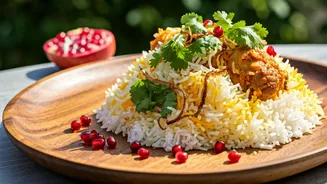
Mention Indian, Pakistani, or Bangladeshi food, and the mind often leaps to a table laden with indulgence. We picture creamy butter chicken, naan glistening with ghee, fragrant biryanis rich with clarified butter, and crispy, deep-fried samosas. These
dishes are emblems of celebration, hospitality, and comfort—food that feeds the spirit as much as the body. For many in the South Asian diaspora, this is the taste of holidays, weddings, and special Sunday dinners. But this association with heaviness has also, at times, relegated Desi cuisine to the category of a once-in-a-while treat rather than an everyday staple for health-conscious Americans. The perception, fair or not, has been that the soul of the food is intrinsically tied to its richness. The question lingered for years: could you possibly lighten it up without it becoming a pale, soulless imitation of the real thing?
A New Generation's Answer
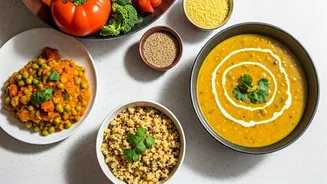
The answer, a resounding 'yes,' is coming from a new wave of culinary innovators. Across the U.S., second-generation chefs, savvy cookbook authors, and health-aware home cooks are spearheading a movement to modernize Desi food. This isn't about bland, diet-friendly versions. It’s a thoughtful re-engineering of classic recipes, driven by a deep understanding of flavor and a desire to make the food they love a more frequent part of their lives. Chefs in buzzy urban restaurants are swapping out heavy creams for nut-based purees, like cashew cream in a korma, which provides richness with less saturated fat. Food bloggers are filling Instagram feeds with vibrant, vegetable-forward thalis and demonstrating how to achieve crispy perfection on a pakora in an air fryer. It’s a philosophy of intelligent substitution, not joyless subtraction. They are asking a critical question: What makes this dish truly itself? More often than not, the answer lies in the complex layering of spices, not the amount of oil.
Lighter Techniques, Same Big Flavors
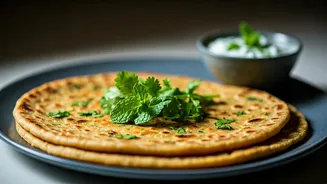
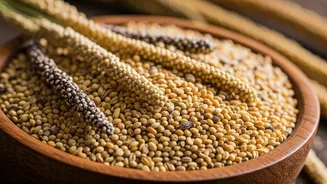
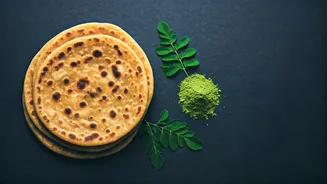
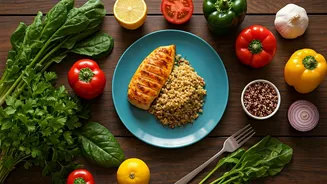
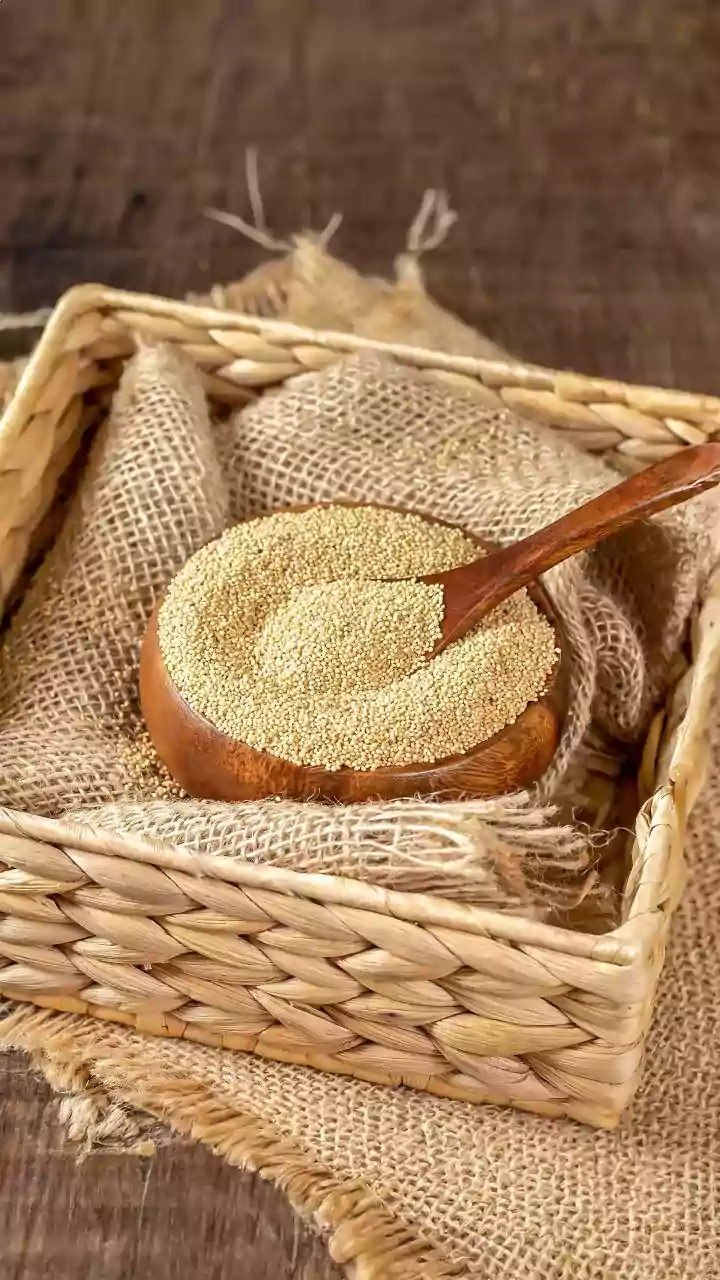
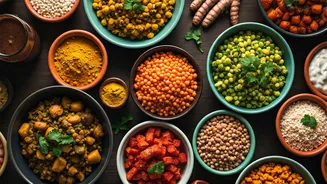
So how exactly are they pulling it off? The magic is in the technique. Instead of deep-frying, snacks like samosas and tikkis are being baked or air-fried, retaining their crunch with a fraction of the fat. In place of generous pours of ghee or vegetable oil to start a curry, many are using a simple spray of avocado oil or just a measured tablespoon, relying on the technique of blooming spices in the hot pan to release their aromatic oils and create a powerful flavor base. Leaner proteins are also taking center stage. While lamb rogan josh remains a classic, you’re now just as likely to find incredible fish curries made with coconut milk or hearty lentil stews (daal) packed with vegetables and seasoned to perfection. Grains are getting a makeover, too, with quinoa and brown rice subbing in for white rice in biryanis, and whole-wheat or millet flours being used for rotis and flatbreads. The result is food that feels vibrant and energizing rather than coma-inducing, all while preserving the complex, layered flavors that define the cuisine.
More Than a Health Trend
This evolution is about more than just cutting calories. It's a cultural statement. For many second- and third-generation South Asian Americans, this approach bridges the gap between their heritage and their modern, health-oriented lifestyles. It’s a way to stay connected to the flavors of their childhood without compromising their wellness goals. It makes a grandmother's chicken curry something you can enjoy on a Tuesday night, not just at a wedding. This shift also makes the cuisine more accessible and less intimidating for outsiders. Someone curious about Indian food but wary of heavy sauces might be more inclined to try a grilled paneer skewer or a vibrant, spice-roasted vegetable bowl. By proving that Desi food can be both soulful and light, these innovators are expanding its appeal and securing its place in the everyday American diet, right alongside Italian, Mexican, and other global mainstays.