



Beyond the Familiar Menu
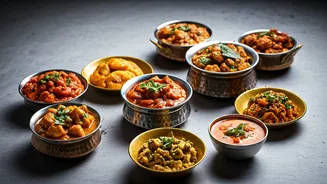
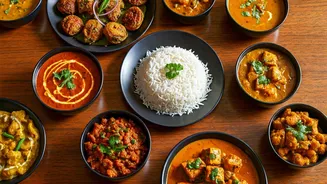
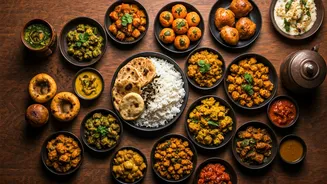
The rich, often Punjabi-influenced dishes that have defined Indian cuisine for many Americans—think chicken tikka masala, saag paneer, and naan—are just one brushstroke in a masterpiece of culinary diversity. India is a country of staggering regional
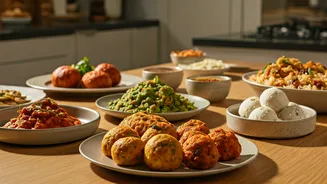
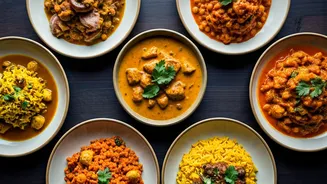
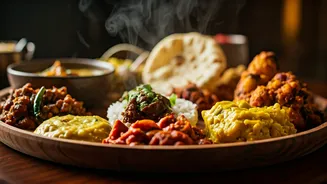
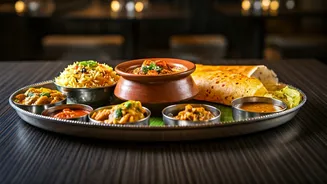
variety, and its food reflects that. The current movement celebrates this fact, pushing past the one-size-fits-all buffet menu to explore hyper-specific local traditions. We're now seeing restaurants dedicated to the coastal seafood of Kerala, the fermented foods of the Northeast, or the rustic village cooking of Rajasthan. This isn't about replacing the classics; it's about expanding the library, finally giving American diners a taste of the distinct culinary languages spoken across India's 28 states.
The Ancient Grains Revival
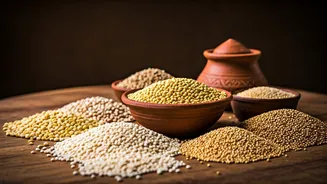
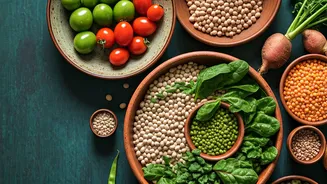
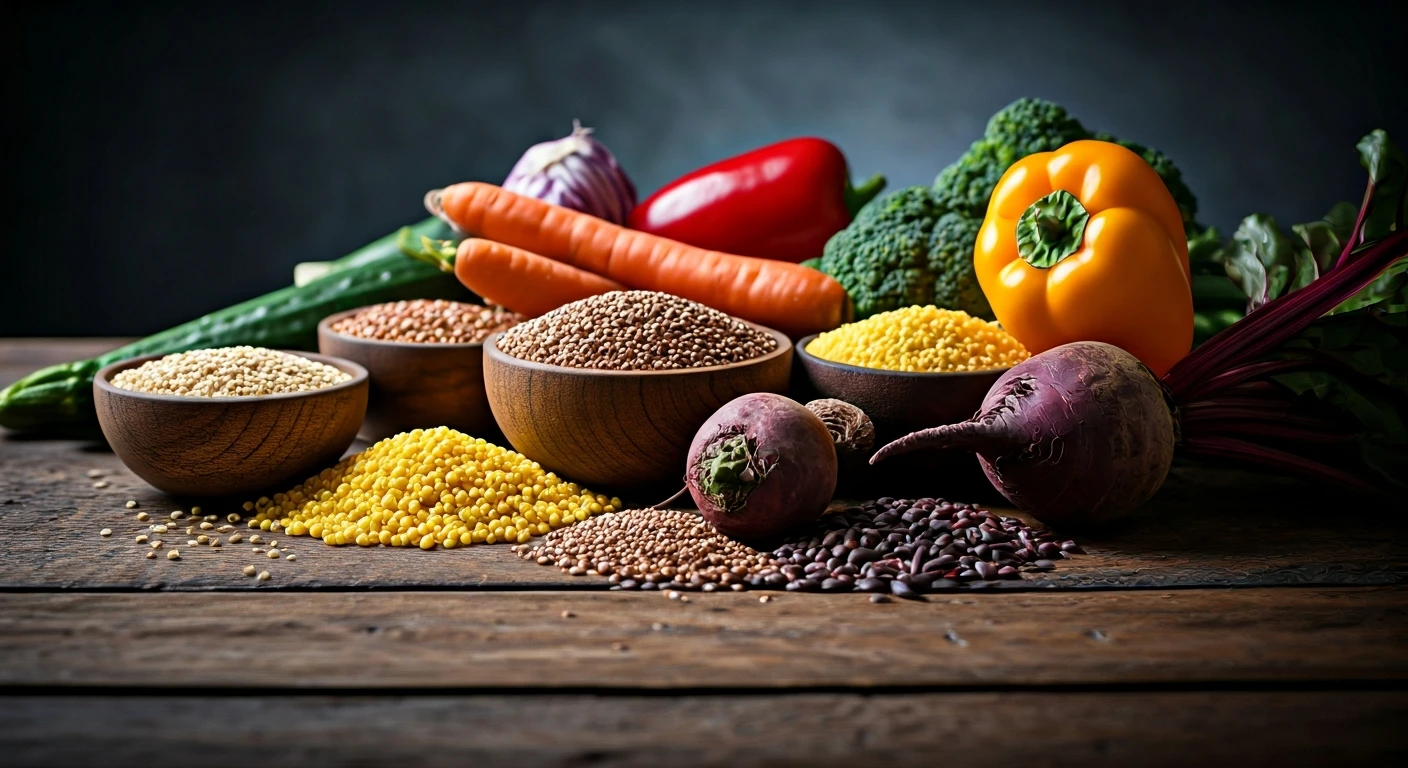
A huge driver of this trend is a renewed focus on ingredients that have been staples in India for millennia but were pushed aside by wheat and rice during the 20th century. Chief among them are millets—a group of hardy, drought-resistant small-seeded grasses like sorghum (jowar), pearl millet (bajra), and finger millet (ragi). Recognized by the United Nations, which named 2023 the 'International Year of Millets,' these ancient grains are naturally gluten-free, high in protein and fiber, and have a low glycemic index. They’re being transformed into everything from fluffy flatbreads and savory porridges to crunchy snacks and even beer. This revival is a powerful intersection of health-consciousness and a desire for sustainable, climate-resilient crops.
Chefs as Cultural Ambassadors
This movement wouldn't be possible without a new generation of chefs acting as passionate translators. In cities across the U.S., chefs and restaurateurs are digging into their own family histories and regional archives to build their menus. Figures like Chintan Pandya of New York's Dhamaka and Semma have earned critical acclaim for presenting unapologetically authentic dishes that many Indian Americans grew up eating but rarely saw in restaurants. They're not toning down the spice or altering techniques for a Western palate. Instead, they’re betting that diners are ready for the complex, fiery, and deeply personal flavors of true regional cooking—and they’re being proven right, with reservations becoming some of the toughest to score in town.
From Grandma's Kitchen to Instagram
The trend isn't just confined to high-end restaurants. It's a grassroots movement, fueled by social media and a younger diaspora generation eager to connect with their roots. On Instagram and TikTok, you'll find second- and third-generation Indian Americans sharing videos of their grandmothers demonstrating how to make a perfect dosa, pickle mangoes, or grind spices. They are documenting and digitizing family recipes, creating a virtual cookbook of heritage foods for a global audience. This digital revival demystifies traditional techniques and celebrates the everyday home cooking that forms the true backbone of Indian cuisine. It’s a powerful act of cultural preservation, ensuring these traditions aren't just remembered but actively practiced and shared.