



A Response to a Modern Problem
For millions living in the dense, concrete landscapes of cities like Delhi, Mumbai, and Hyderabad, the weekly trip to the vegetable market has become a source of anxiety. Concerns over produce laden with pesticides, artificial ripening agents, and contaminants
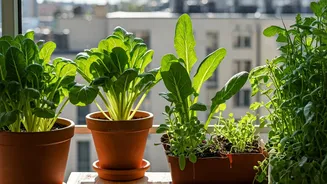
from polluted water sources are rampant. Coupled with volatile food prices and long, complex supply chains, the simple act of buying vegetables feels increasingly fraught. This is the primary driver behind the surge in balcony gardening. It’s not just a quaint hobby; it’s a practical solution. By converting small, often overlooked spaces—balconies, windowsills, and apartment terraces—into miniature farms, residents are reclaiming control over their food. The goal is simple but profound: to have access to a handful of fresh, trusted ingredients, grown right outside their kitchen window. It’s a grassroots movement fueled by a collective demand for transparency and health, one pot at a time.
The Edible Balcony's Bounty
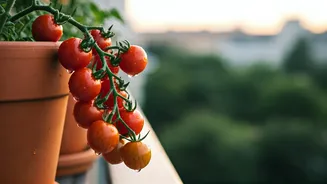
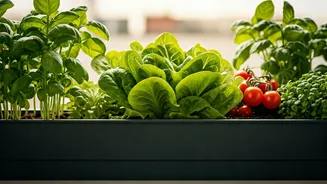
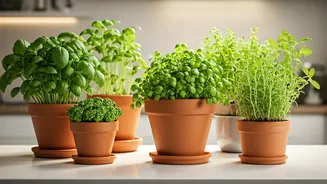
Step onto one of these green balconies, and you’ll find more than just decorative flowers. The focus is on utility and flavor. Pots overflow with the essential building blocks of Indian cuisine. Fragrant curry leaves (kadi patta), which lose their potent aroma when dried, are a common sight. So are vibrant green chilies, plump cherry tomatoes, and endless varieties of herbs like mint (pudina) and coriander (dhania)—staples that are often needed in small quantities but make a world of difference when fresh. Beyond the everyday essentials, you’ll find creepers like bitter gourd and bottle gourd snaking up trellises, and medicinal plants like holy basil (tulsi), a fixture in many Indian homes for its spiritual and wellness properties. This isn't about replacing the grocery store entirely. It’s about cultivating the high-impact items that elevate a meal from ordinary to extraordinary, ensuring that the most vital flavors are always within arm's reach and free from chemical sprays.
More Than Just Food
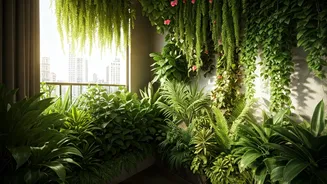
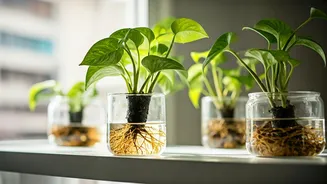
The benefits of this trend extend far beyond the dinner plate. For many urbanites, gardening has become a vital form of therapy—a way to decompress from the stresses of city living. The simple act of tending to plants, watering soil, and watching something grow provides a tangible connection to the natural world that is otherwise absent in a high-rise apartment. This movement is also fostering a new kind of community. Neighbors share tips on composting with kitchen scraps, exchange seeds, and troubleshoot pest problems on WhatsApp groups dedicated to urban farming. Online communities and local workshops have sprung up, led by seasoned gardeners who teach novices how to make the most of limited space using vertical planters, hydroponic systems, and organic soil mixes. It's a return to a more connected, communal way of living, ironically facilitated by the very urban density it seeks to escape.
A Universal Lesson in a Pot
While this trend is deeply rooted in the specific context of modern India, its message is universal. All across the world, city dwellers are grappling with a disconnect from their food sources and a yearning for green space. The Indian balcony garden is a powerful testament to human ingenuity and the enduring desire for self-sufficiency. It demonstrates that you don’t need a sprawling backyard to participate in the food cycle. A sliver of sunlight, a few containers, and a bit of patience can transform an urban dwelling. Whether it’s basil on a fire escape in Brooklyn or curry leaves on a balcony in Bangalore, the principle is the same: finding a small way to cultivate life, flavor, and well-being in the middle of a concrete jungle.