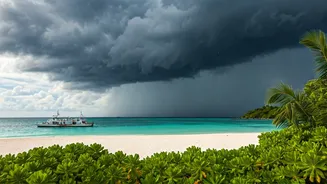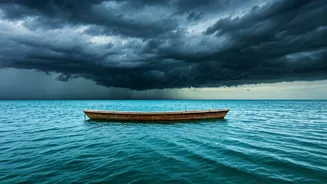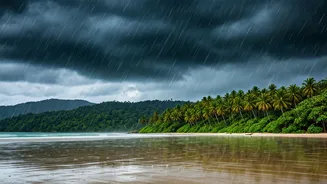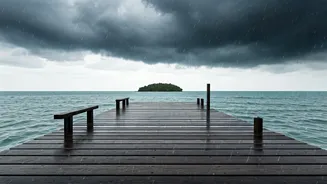




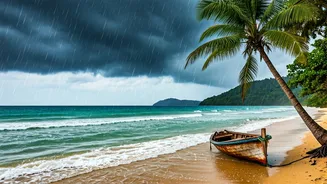

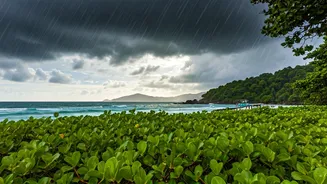
The Reality of Monsoon Season
Mention “monsoon” in the Andamans, and you’re actually talking about two distinct seasons. The main Southwest monsoon hits from May to September, bringing heavy rains and strong winds. A second, less intense Northeast monsoon often arrives between October
and December. While the islands transform into a vibrant emerald landscape, the trade-off is significant. The very thing that makes the Andamans a stunning archipelago—the sea separating its islands—becomes its biggest logistical challenge. Choppy waters and poor visibility can lead to widespread cancellations of the ferries that are the primary mode of transport between popular spots like Port Blair, Havelock (Swaraj Dweep), and Neil (Shaheed Dweep). This isn't a minor inconvenience; it can mean getting stuck on an island for days.
The Ferry-Go-Round Problem
Your meticulously planned island-hopping adventure is at the mercy of the weather. Both government-operated and private ferries are subject to suspension by the Directorate of Shipping Services when sea conditions are deemed unsafe. These cancellations can happen with very little notice, sometimes just hours before departure. If you have a tight itinerary with back-to-back bookings on different islands and a flight to catch, a single canceled ferry can create a domino effect of logistical chaos. Travelers often find themselves stranded, scrambling to rebook accommodation and rearrange plans, which is why a rigid schedule is the first thing to throw out when planning a monsoon visit.
When Water Activities Go on Hiatus
The Andamans are synonymous with world-class water sports, especially scuba diving and snorkeling. However, during the peak monsoon, many of these activities are put on hold. Rough seas reduce underwater visibility, making diving less rewarding and potentially unsafe. Many dive operators, particularly on Havelock and Neil Islands, shut down entirely or operate on a very limited, day-to-day basis depending on conditions. Famous snorkeling spots like Elephant Beach, often reached by a small boat, may become inaccessible. While you might find some sheltered spots for a dip, banking on a full-fledged aquatic adventure during heavy monsoon is a gamble.
Backup Plan 1: Make Port Blair Your Anchor
The smartest strategy for a monsoon trip is to use Port Blair, the capital city, as your home base. It has the most reliable infrastructure and a wider range of all-weather attractions. Plan to spend your first and last nights here to create a buffer around your flight schedule. If ferries to other islands get canceled, you won’t be in a mad dash to get back to the airport. Port Blair offers plenty to do on a rainy day. You can explore the poignant history of the Cellular Jail, visit the Anthropological Museum to learn about the islands' indigenous tribes, or check out the Samudrika Naval Marine Museum. These indoor activities provide a fantastic cultural context to your trip that many visitors miss.
Backup Plan 2: Build a Flexible Itinerary
Instead of pre-booking every single hotel and activity, embrace flexibility. Book your stay on Havelock or Neil, but have a refundable booking or a known alternative back in Port Blair. Communicate with your hotels about the possibility of weather-related delays. The key is to have a “Plan A” (the sunny day itinerary) and a “Plan B” (the rainy day itinerary). Plan B could involve exploring local markets, taking a cooking class, visiting a local fish market, or simply finding a beautiful beachside cafe where you can read a book and watch the storm roll in. The monsoon forces a slower pace of travel—leaning into it is the best way to enjoy your vacation.
Backup Plan 3: Pack for the Elements
Proper gear can make the difference between a miserable day and a cozy adventure. Your packing list should prioritize function over fashion. Include a high-quality waterproof jacket and rain pants, quick-drying clothes (synthetics are better than cotton), and waterproof sandals or floaters. An umbrella is a must for navigating city streets. Pack a waterproof bag or dry sack to protect your electronics and important documents. Insect repellent is crucial, as the mosquito population booms in the wet weather. Finally, with the potential for power cuts, a fully charged power bank is non-negotiable.