







What 'Gut-Friendly' Really Means
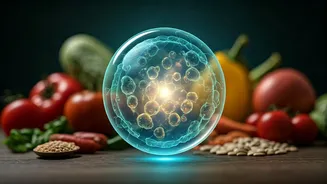
At the heart of this trend is the gut microbiome: the trillions of bacteria and other microbes living in your digestive tract. Think of it as a bustling internal ecosystem. 'Gut-friendly' foods are those that help this ecosystem flourish. They typically
fall into two categories. First are probiotics, which are live beneficial bacteria found in fermented foods like yogurt, kefir, and sauerkraut. They act like reinforcements, adding helpful members to your gut community. Second are prebiotics, which are types of fiber that your body can't digest. Instead, they serve as food for the good bacteria already living in your gut. You’ll find prebiotics in foods like garlic, onions, asparagus, bananas, and whole oats. The goal of a gut-friendly diet isn't to sterilize your system, but to nurture a diverse and balanced microbial population, which researchers increasingly link to overall health.
The Fermented Foods Crossover
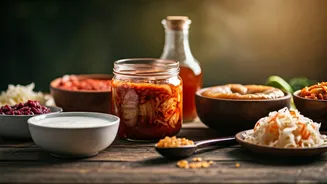
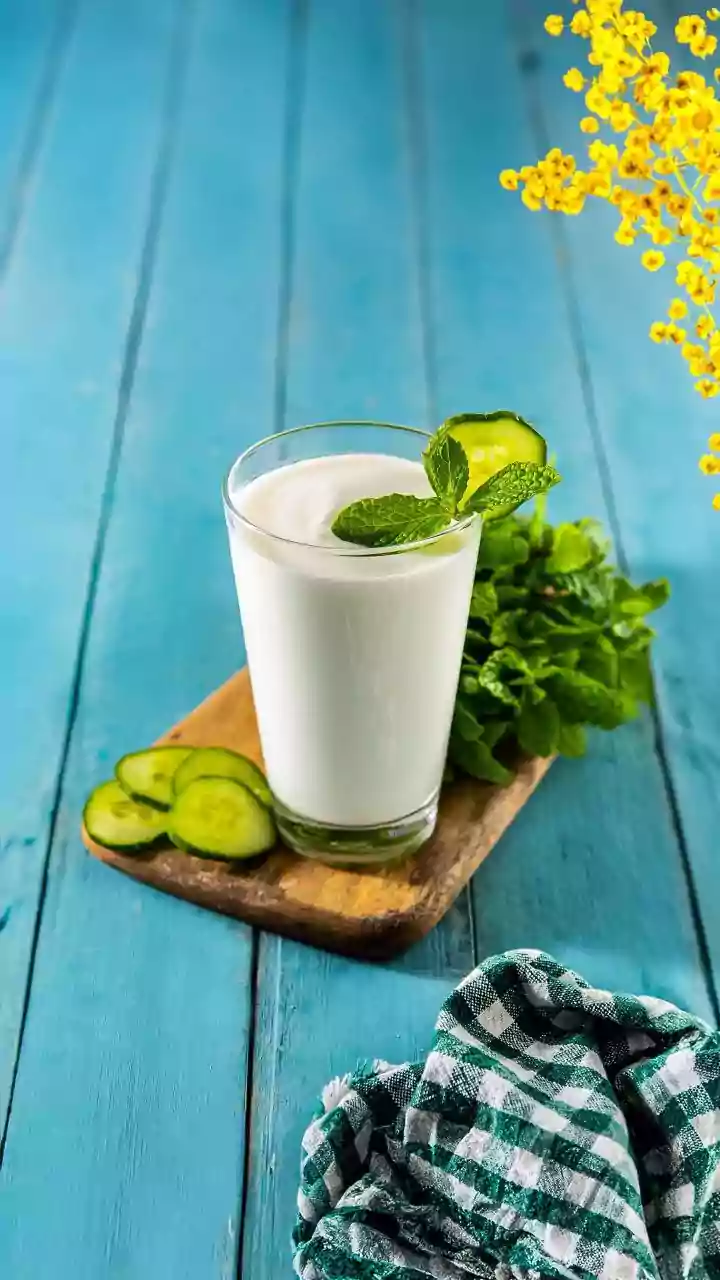
The most visible sign of the gut health boom is the explosion of fermented foods into the mainstream. Kombucha, a fizzy, fermented tea, has graduated from health store curiosity to a staple in supermarket coolers and even on tap at cafes. Similarly, kimchi—a traditional Korean side dish of fermented vegetables, usually napa cabbage and Korean radish—is no longer just for Korean BBQ. It’s now a go-to topping for tacos, grain bowls, and even grilled cheese sandwiches, prized for its spicy, umami-rich crunch. Yogurt, a longtime breakfast favorite, has also seen a renaissance, with brands emphasizing 'live and active cultures' and varieties like Greek and Icelandic yogurt gaining popularity for their high protein and probiotic content. Kefir, a drinkable fermented milk similar to a thin yogurt, is another rising star, offering a potent dose of diverse probiotic strains.
Why the Sudden Obsession?
Several cultural currents have converged to make gut health a priority. The modern wellness movement, which frames health as a holistic, proactive pursuit rather than just the absence of disease, is a major driver. Consumers are more educated than ever and are actively seeking foods that offer functional benefits beyond basic nutrition. Social media has also played a huge role, with wellness influencers and food bloggers popularizing aesthetically pleasing and gut-healthy recipes. Furthermore, a growing body of scientific research is making its way into the public consciousness. Studies linking gut health to everything from immunity and mood (the 'gut-brain axis') to skin health and weight management have given the trend a credible, science-backed foundation. It's a shift from abstract health advice to something tangible people feel they can influence through their daily food choices.
Easy Ways to Join the Trend
Incorporating gut-friendly foods doesn't require a radical diet overhaul or a trip to a specialty store. It's about adding, not just subtracting. Start small by swapping your usual soda for a low-sugar kombucha or adding a dollop of plain Greek yogurt to your morning smoothie or oatmeal. Use sauerkraut or kimchi as a condiment to add a tangy kick to sandwiches and salads. When cooking, be generous with prebiotic-rich ingredients like garlic, onions, and leeks as a base for soups, sauces, and stir-fries. Choosing whole grains like oats and barley over refined grains is another simple but effective step. The key is variety. Each type of food feeds different strains of bacteria, so eating a wide range of fermented foods, fibers, and colorful plants is the best way to support a robust and diverse gut microbiome.