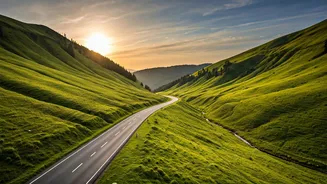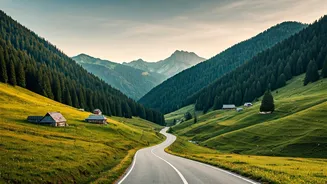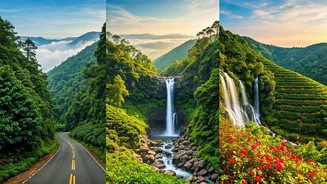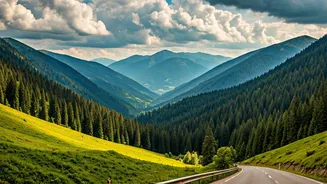



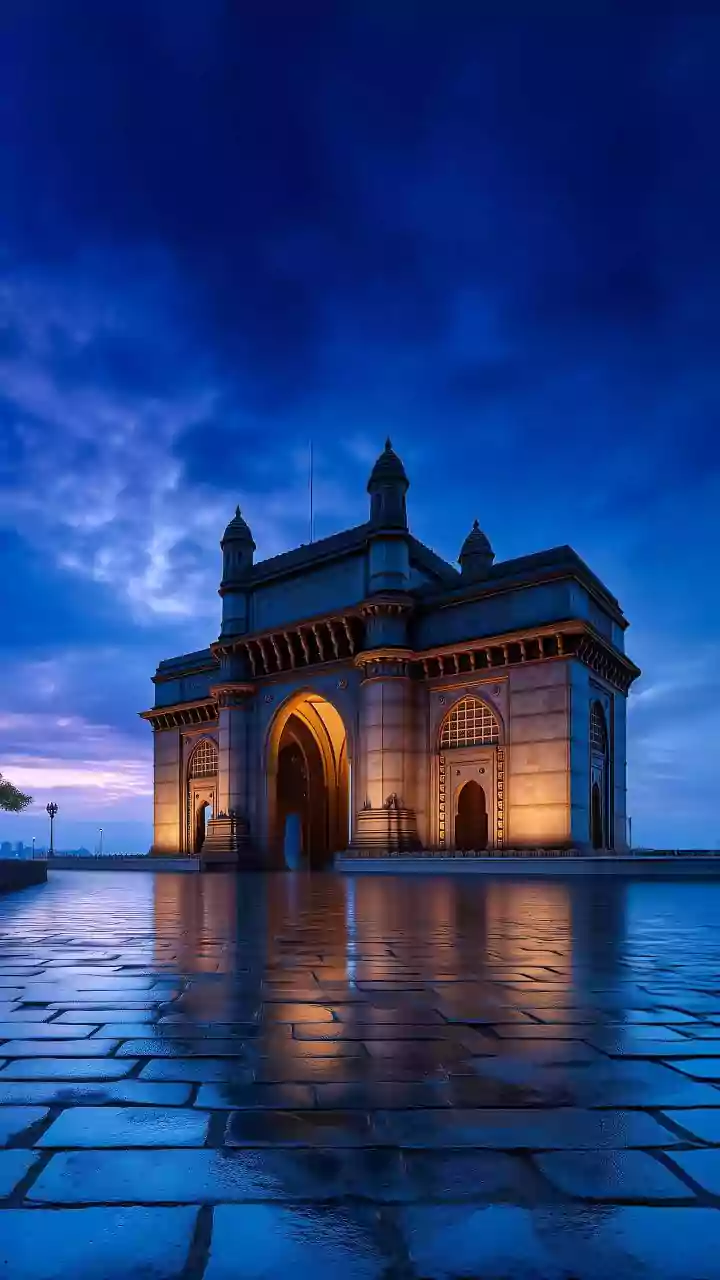
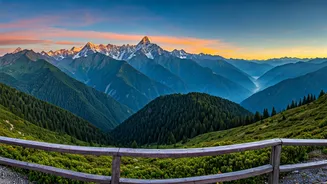


An Escape Born in Colonial Times
To understand the enduring magic of places like Mussoorie and Mahabaleshwar, you have to go back to the British Raj. In the 19th century, British administrators and soldiers, unaccustomed to the searing heat of the Indian plains, sought refuge in the mountains.
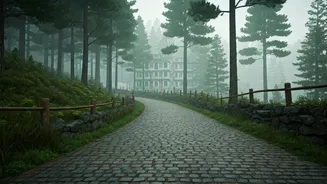
They established 'hill stations'—high-altitude towns that mimicked the climate and, to an extent, the architecture of home. These settlements, with their Tudor-style cottages, manicured gardens, and church spires, were designed as seasonal capitals and summer retreats. After India's independence in 1947, these towns didn't fade away. Instead, they were enthusiastically adopted by Indians themselves. They became the definitive destination for middle-class families looking to escape the summer heat, creating a domestic tourism tradition that thrives to this day. A trip to a hill station is more than a vacation; it’s a cultural ritual.
Mahabaleshwar: Strawberries and Western Ghats
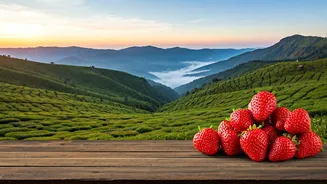
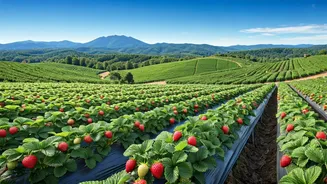
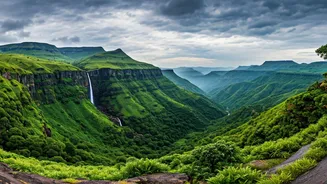
Nestled in the lush Western Ghats of Maharashtra, about a six-hour drive from Mumbai, Mahabaleshwar is the region's quintessential mountain escape. Its identity is tied to its produce: this is the strawberry capital of India. From December to March, families flock here to visit farms, pick their own fruit, and indulge in fresh strawberry cream—a simple dessert that has become an iconic part of the experience. The classic Mahabaleshwar trip involves a predictable, comforting rhythm. Families rent a paddleboat or rowboat on the placid Venna Lake, brave the crowds at scenic overlooks like Arthur's Seat and Kate's Point for stunning valley views, and go horse riding along the forested paths. The Mahabaleshwar market is a sensory overload of local goods, from leather sandals to jars of honey and jam. It’s not about adrenaline-pumping adventure; it’s about slow walks, shared meals, and the cool mountain air.
Mussoorie: The Queen of the Hills
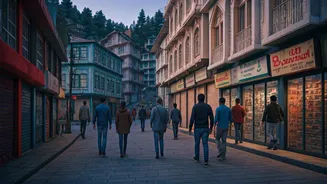
Further north, perched in the Himalayan foothills of Uttarakhand, lies Mussoorie, the 'Queen of the Hills.' Overlooking the vast Doon Valley, Mussoorie offers a different flavor of the hill station experience. Its beating heart is the Mall Road, a long, winding colonial-era promenade stretching between two points, Library Bazaar and Kulri Bazaar. For families, a trip to Mussoorie is incomplete without a leisurely stroll along the Mall, stopping for roasted corn on the cob, ice cream, and souvenir shopping. A key attraction is the cable car ride up to Gun Hill, the second-highest peak in Mussoorie, which provides breathtaking panoramic views of the Himalayan ranges. Unlike Mahabaleshwar's gentle slopes, Mussoorie has a grander, more rugged feel. It’s also home to the quieter, more atmospheric hamlet of Landour, a favorite of writers and those seeking peace, most famously author Ruskin Bond, who has chronicled its charms for decades.
More Than a Trip, A Tradition
What keeps families returning to these spots, bypassing newer, more luxurious destinations? The answer is nostalgia. For millions of Indians, Mahabaleshwar and Mussoorie are woven into the fabric of their childhoods. Parents who were taken there as kids now bring their own children, pointing out the same viewpoints, eating at the same snack stalls, and sharing the same stories. It’s a vacation built on shared memory. The experience is intentionally low-tech and unpretentious. The joy comes from simple pleasures: watching the mist roll in, sharing a plate of hot noodles at a chilly overlook, or playing board games in a cozy hotel room. In a rapidly modernizing India, these hill stations offer a precious connection to the past and a blueprint for creating family memories that feel both timeless and deeply personal.