



The Tyranny of the Perfect Trip
Let’s be honest: peak-season travel can be a special kind of hell. It’s a frantic scramble for the same finite resources—the one patch of shade on a crowded beach, the 7 p.m. dinner reservation at the only good restaurant in town, the sliver of space
in front of a famous monument for a photo that will look identical to a million others. The “hype” is a cocktail of FOMO and marketing, pushing us toward specific weeks on the calendar when prices triple, crowds swell, and the local population braces for impact. The pressure to have a perfect trip is immense. You paid a premium for the flights, the hotel, the tours. Every moment must be maximized, every day must be sunny, every experience must be spectacular. This isn't relaxation; it’s a high-stakes performance of leisure. The reality often involves shuffling through historic sites in a human traffic jam or finding that the “hidden gem” you saw on social media is now the backdrop for a hundred simultaneous photo shoots. The peak-season dream frequently curdles into a sweaty, expensive, and deeply unsatisfying reality.
Embracing the Atmospheric Escape
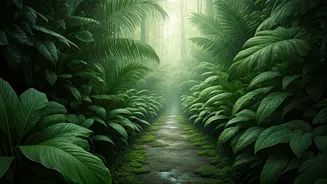
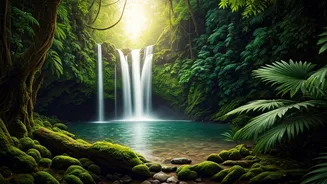
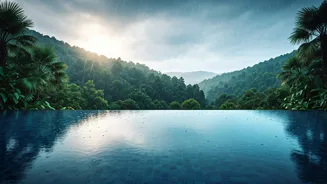
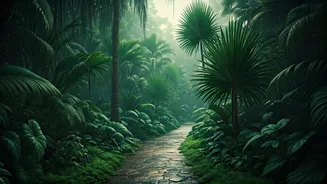
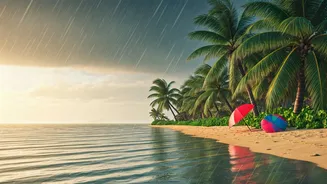
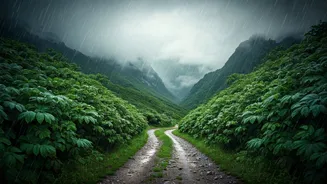
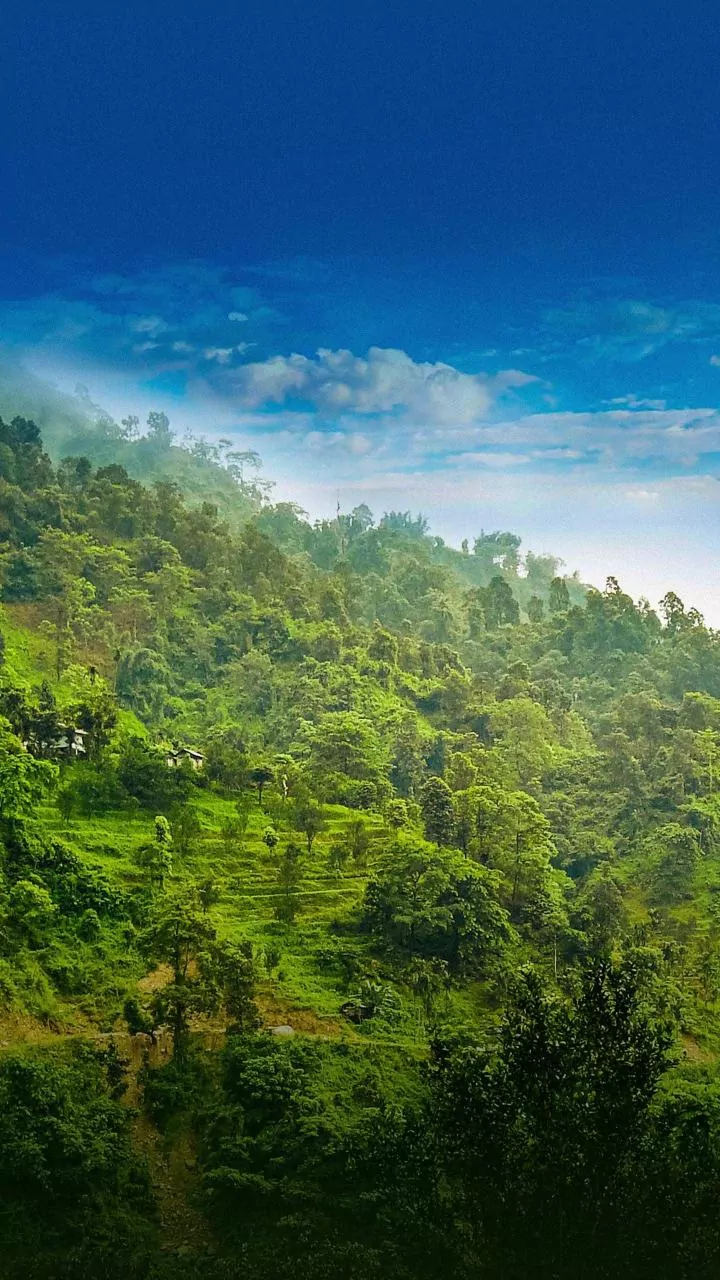
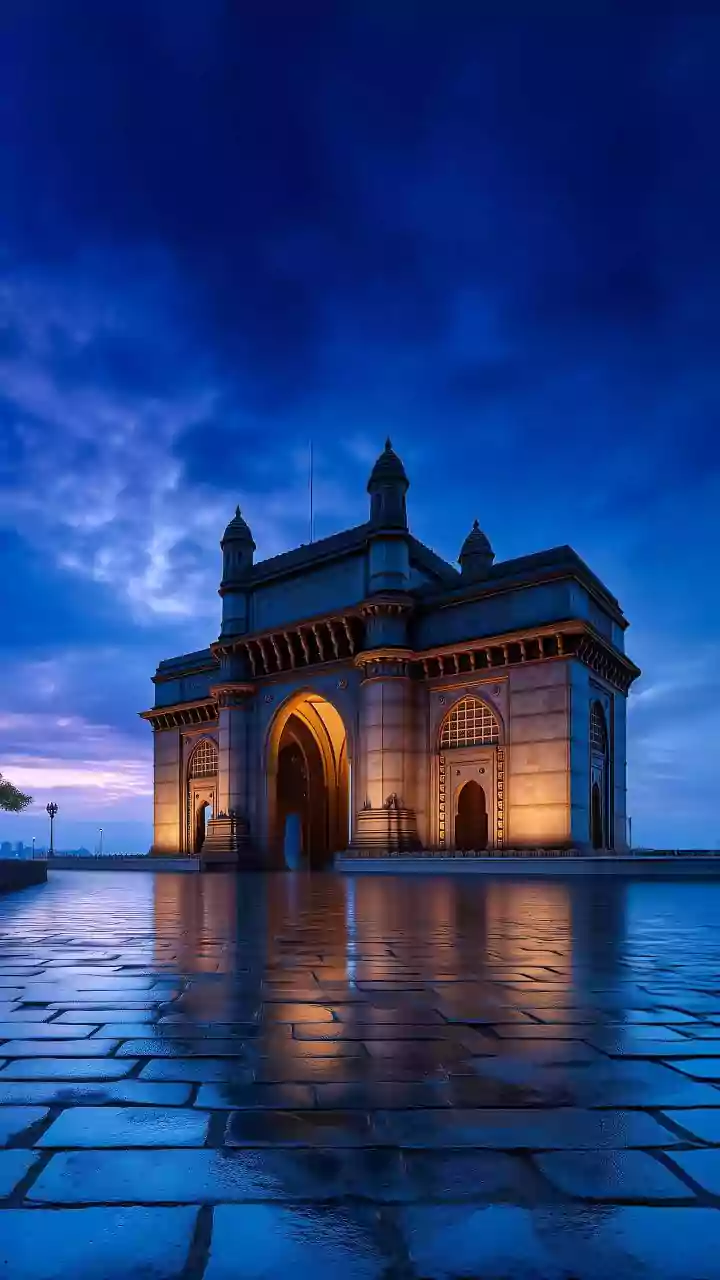
Now, imagine something different. Picture yourself in a place like Thailand, Vietnam, or even the American Southwest during its monsoon season. The air is thick and charged. Dramatic, silver-bellied clouds roll across the sky, offering a theatrical light show before a sudden, soul-cleansing downpour. The world doesn’t end; it comes alive. The dust settles, the colors deepen, and the parched landscape turns a thousand shades of vibrant green. This is the “monsoon vibe.” It’s the sound of fat raindrops on a tin roof while you’re tucked inside a cozy café. It’s the smell of petrichor—that intoxicating scent of rain hitting dry earth. It’s the sight of waterfalls, usually a disappointing trickle, roaring to life. Traveling in the off-season, particularly a rainy season, is an invitation to slow down. The weather forces a change of pace. Instead of rushing from one attraction to another, you might spend an afternoon reading a book, sharing a long conversation, or simply watching the storm pass. It's a trip that engages all the senses, replacing the anxiety of a packed itinerary with the calm of genuine presence.
Beyond the Vibe: The Tangible Wins
The appeal isn’t purely atmospheric. The practical benefits of shunning peak season are undeniable. First, the cost. Flights and accommodations are often significantly cheaper, freeing up your budget for better food, unique experiences, or simply a longer stay. The greatest luxury, however, is space. Popular temples, beaches, and museums are blissfully quiet. You can experience a place as it is, not as an overcrowded theme park version of itself. This breathing room leads to more authentic interactions. Shopkeepers, restaurateurs, and tour guides aren't rushed off their feet. They have time to talk, to share stories, to give you a real glimpse into their lives. You’re not just another face in the horde; you’re a welcome visitor in a quieter time. This is when you discover the small, unscripted moments that become the most cherished memories of any trip—the ones that never make it into a glossy brochure.
A Reality Check for Rainy Days
Of course, this approach requires a mindset shift and a bit of pragmatism. Monsoon travel is not for the rigidly scheduled or the perpetually impatient. Yes, a torrential downpour might scrap your beach day. A ferry might be delayed. A hiking trail might be a muddy mess. You have to embrace flexibility as part of the adventure. Pack a good raincoat, waterproof shoes, and a healthy dose of “go with the flow.” The key is to choose your destination wisely. A city-based trip in a place like Bangkok or Mexico City can be enhanced by rainy afternoons spent in world-class museums and cafes. A nature-focused trip in a region known for its lushness, like Costa Rica, is arguably at its best during the “green season.” It’s about trading the guarantee of sun for the possibility of something more memorable and profound.