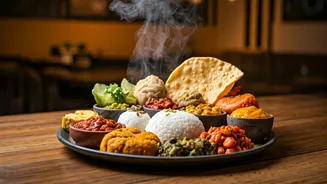

Aloo Pitika: The Soulful Staple
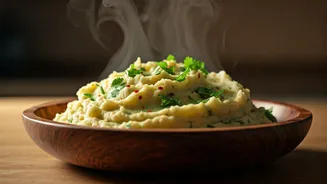
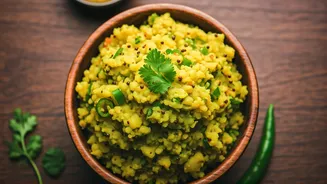
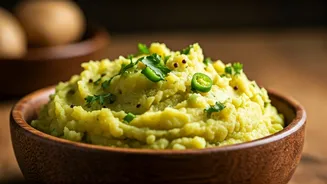
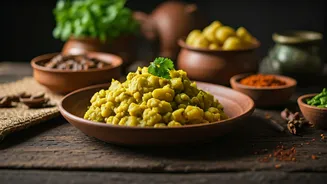
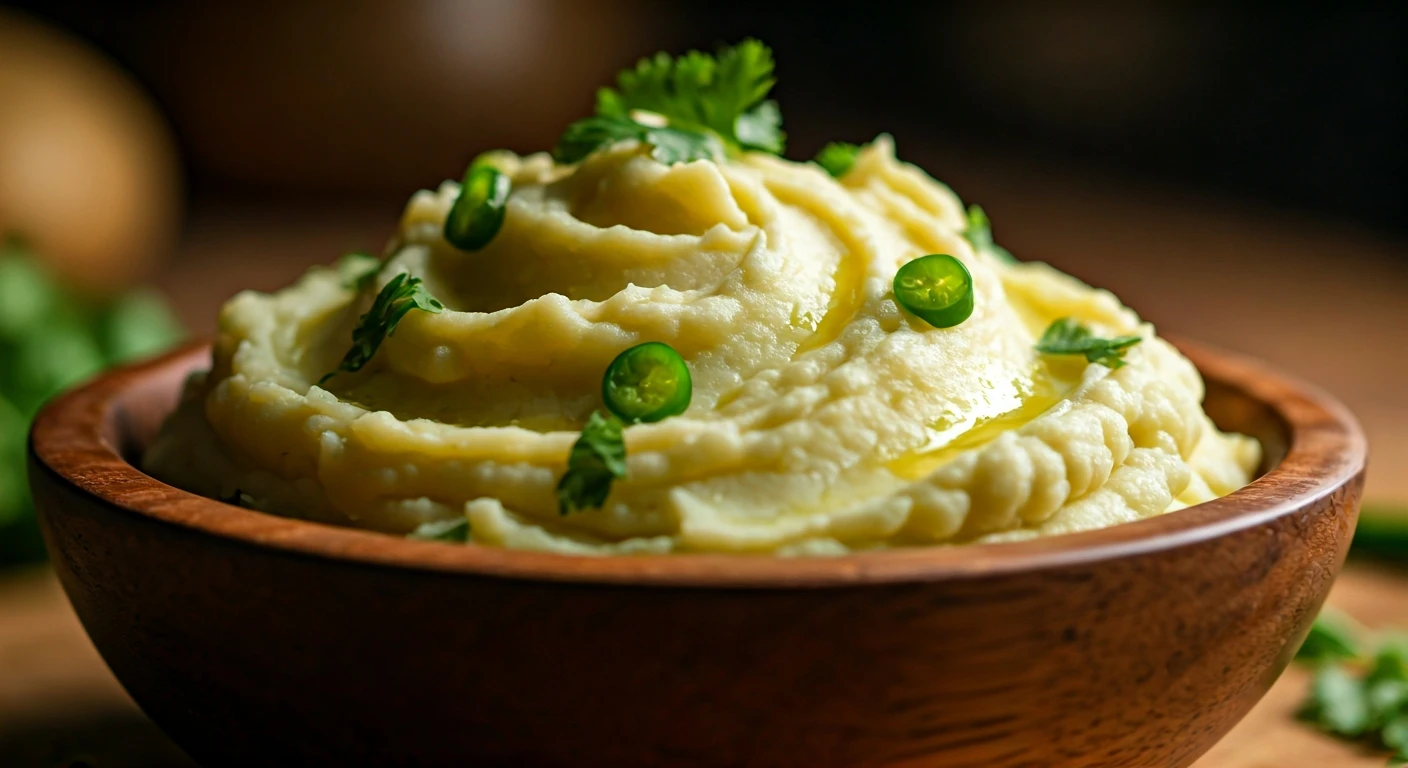
Let’s start with the ultimate comfort food. If you love rustic mashed potatoes, you’ll fall hard for Aloo Pitika. At its heart, it’s a simple dish of boiled and mashed potatoes, but the magic is in the mix-ins. Raw, pungent mustard oil provides a sharp,
wasabi-like kick that’s completely unique. Finely chopped raw onions, green chilies, and fresh cilantro add crunch and heat. Sometimes, a roasted tomato or a boiled egg is mashed in for extra richness. It’s not a smooth, buttery purée; it’s a textured, vibrant, and deeply satisfying dish that serves as the soulful heart of a typical Assamese meal. It’s the kind of food that tastes like home, even if you’re trying it for the first time.
Masor Tenga: The Tangy River Curry
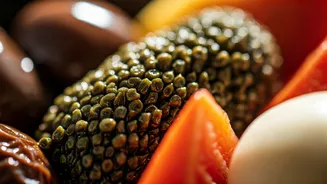
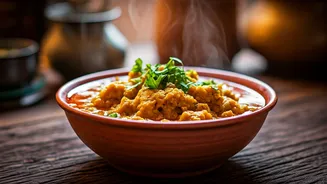
‘Tenga’ means sour, and this light, tangy fish curry is the undisputed star of Assamese summers. Unlike the heavy, cream-based curries you might be used to, Masor Tenga is refreshingly light and brothy. The curry is built around a souring agent, most commonly tomatoes, but also exotic choices like elephant apple (outenga) or dried mangosteen (thekera). Freshwater fish from the region’s mighty Brahmaputra river is gently simmered in this fragrant broth, which is delicately spiced with a bit of turmeric and perhaps a touch of panch phoran (an Indian five-spice blend). It’s a clean, palate-awakening dish that beautifully showcases the Assamese principle of using minimal spices to let the main ingredients shine.
Khar: An Alkaline Wonder
This is where Assamese cuisine gets truly unique. A traditional meal almost always begins with Khar, a class of dishes defined by a distinct alkaline ingredient, also called khar. This key component is made by filtering water through the ashes of sun-dried banana peels, creating a liquid with a distinct, earthy, and slightly savory flavor that’s hard to describe but impossible to forget. This alkaline liquid is then used to cook lentils, vegetables, or even fish. One of the most popular versions is Omita Khar, made with green papaya. The khar tenderizes the papaya and imparts a flavor that is subtle yet complex. It’s believed to cleanse the palate and aid in digestion, making it the perfect start to a multi-course meal.
Pork with Bamboo Shoots: A Smoky Delight
Pork is widely enjoyed in Assam, especially among its many tribal communities, and this dish is a testament to the region's love for bold, rustic flavors. Chunks of fatty pork are slow-cooked until meltingly tender, often with slivers of fermented bamboo shoots (khorisa). The bamboo adds a pungent, slightly sour funk that cuts through the richness of the meat. The other key ingredient is the legendary Bhut Jolokia, or ghost pepper, one of the hottest chilies in the world. Used sparingly, it adds a smoky, creeping heat that builds with every bite without overwhelming the dish. It's a robust, powerful plate of food that tells a story of foraging and preservation.
Ghila Pitha: The Sweet Rice Cake
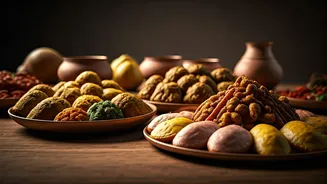
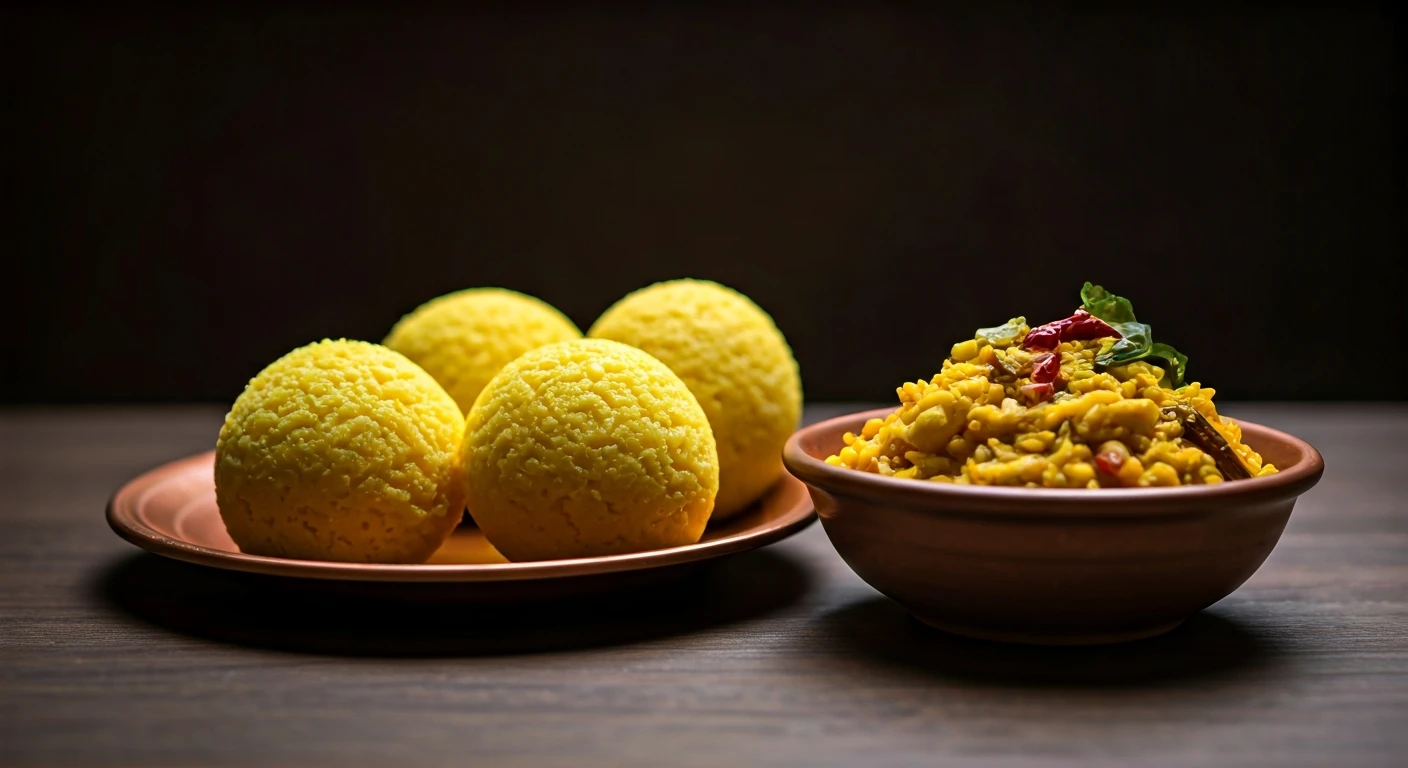
No culinary tour is complete without something sweet. Pithas are traditional rice cakes that are central to Assamese festivals, especially Bihu, the harvest festival. Ghila Pitha is a particularly beloved variety. Named ‘ghila’ for the knee-cap shape it resembles, it's a simple, pan-fried cake made from a sticky rice flour batter, often sweetened with jaggery (an unrefined cane sugar). The result is a delightful treat with a crispy, golden-brown exterior and a soft, chewy interior. It’s not overly sweet, carrying the subtle, nutty flavor of the rice and the caramel notes of the jaggery. It’s the perfect snack with a cup of strong Assam tea.