


First, What Is This Festival?
The Delhi International Mango Festival is an annual event, typically held for a few days in early July, that showcases the incredible diversity of India's most beloved fruit. While its “viral” status is a recent phenomenon fueled by Instagram-worthy displays,
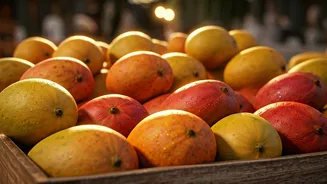
the festival itself has been a fixture for decades, organized by Delhi Tourism. It’s not just a market; it's a full-blown cultural fair. Think of it as a state fair, but instead of prize-winning pumpkins, you have hundreds of varieties of mangoes, many of which you’ve likely never heard of. Farmers from across the country, particularly from states like Uttar Pradesh and West Bengal, converge to display their prized crops, compete for awards, and sell their fruit to an eager public.
The Stars of the Show: The Mangoes
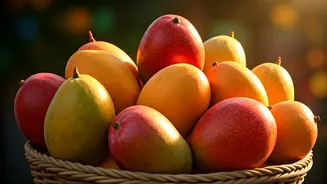
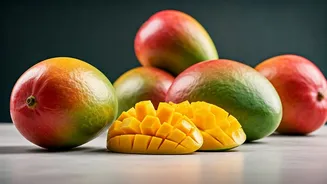
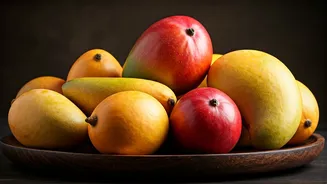
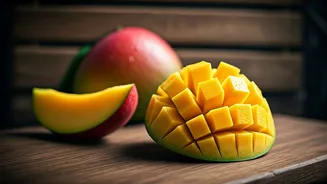
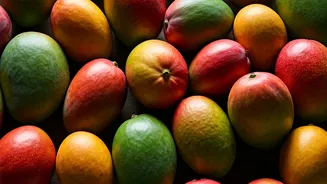
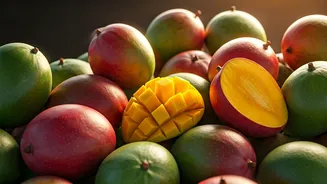
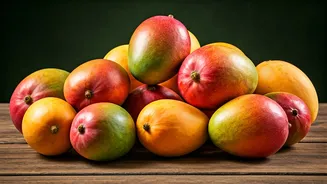
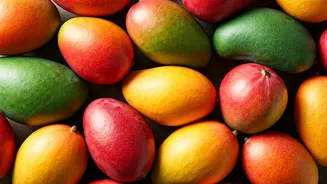
For an American palate accustomed to the trusty Tommy Atkins or Honey mangoes from the grocery store, the sheer variety here is staggering. You’ll encounter over 500 types, from the tiny and sweet to the large and fibrous. Don’t leave without trying a few icons. The Alphonso, known as the “King of Mangoes,” is a rich, creamy, non-fibrous variety from Maharashtra that’s worth the hype. Look for the Langra, a greenish-skinned mango from Varanasi with a uniquely tangy-sweet flavor. The Dasheri is a sweet, fragrant, and fiberless mango from North India, perfect for eating fresh. And the Chausa, available later in the season, is famous for its incredibly sweet pulp and sunshine-yellow skin. Most vendors offer samples, so be adventurous.
Beyond Just Tasting: What to Do
While sampling mangoes is the main event, the festival offers much more. You can watch chefs hold live cooking demonstrations, incorporating mangoes into everything from chutneys and pickles to mocktails and desserts. There are mango carving displays where artists turn fruit into intricate sculptures. For a bit of fun, join the raucous crowd cheering on the contestants in the mango-eating competition—it’s a messy, hilarious spectacle. You’ll also find dozens of stalls selling mango-based products to take home, including jams, juices, dried mango slices (aam papad), and pickles. Interspersed with all the mango mania are cultural programs featuring folk music and dance, making it a feast for all the senses.
Know Before You Go: Essential Tips
Navigating a packed Indian festival requires a little strategy. First, timing is everything. Delhi in July is incredibly hot and humid, with temperatures often soaring above 100°F. Go early in the day to avoid the worst of the heat and the biggest crowds. Wear light, breathable clothing—cotton or linen is your best friend. Comfortable shoes are non-negotiable, as you’ll be on your feet for hours. Stay hydrated; carry a water bottle and take advantage of the many vendors selling fresh juice and coconut water. Bring cash, as many smaller vendors may not accept credit cards. Finally, embrace the chaos. It will be crowded, loud, and a bit overwhelming, but that’s all part of the experience.
Navigating the Venue
The festival is often held at Dilli Haat, an open-air market complex that’s designed to feel like a traditional village fair. It’s a maze of stalls, so it’s best not to have a rigid plan. Wander through the aisles, follow the scent of the ripest fruit, and don’t be shy about asking vendors about their mangoes—they are passionate about their produce and usually happy to explain the differences. If you plan to buy a box of mangoes to take back to your hotel, consider doing so on your way out so you don’t have to carry it around all day. The venue is easily accessible via the Delhi Metro, which is the most efficient way to get there and avoid the city’s infamous traffic.