




The Singular Pursuit
The classic African safari is often built around the legendary 'Big Five'—lion, leopard, rhinoceros, elephant, and Cape buffalo. It’s a magnificent checklist, a pursuit of incredible biodiversity across vast grasslands. But the Ranthambore experience
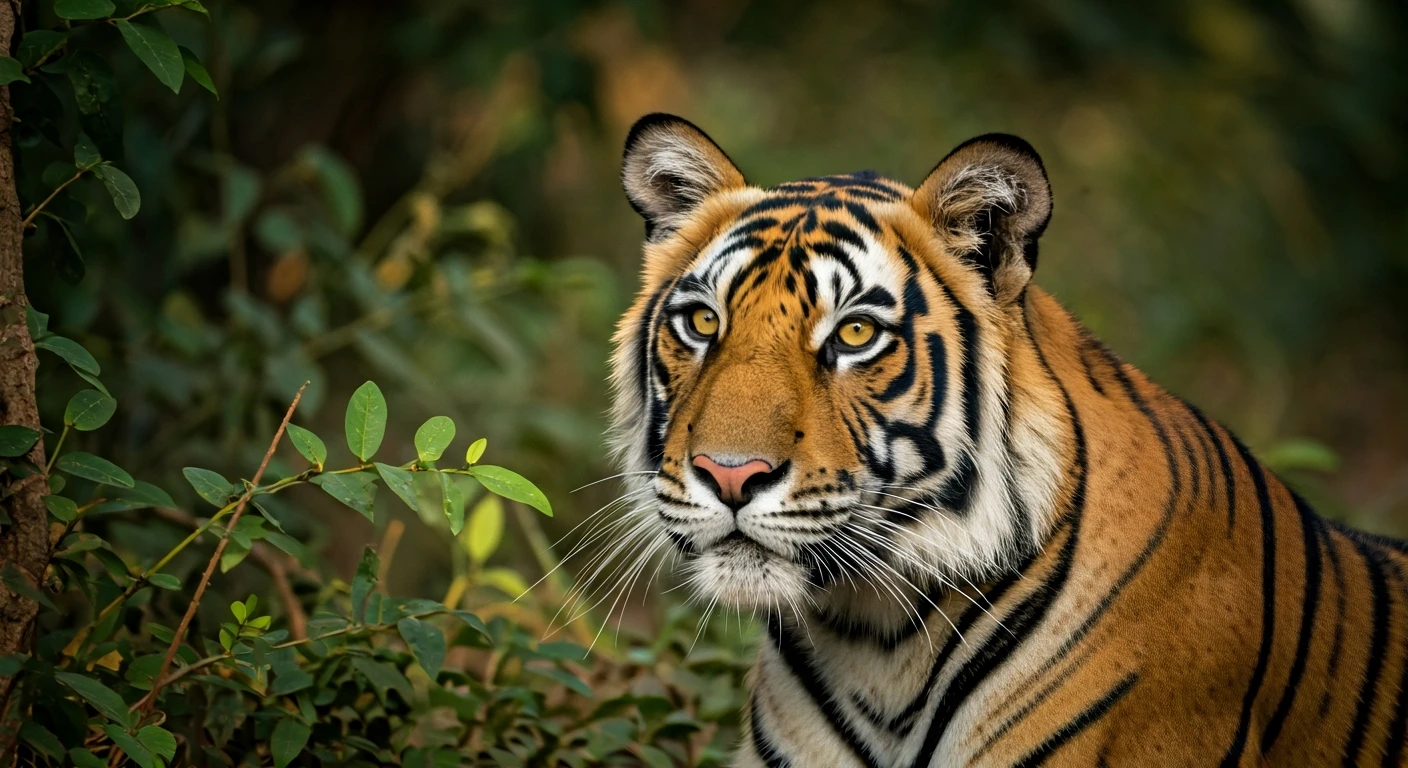
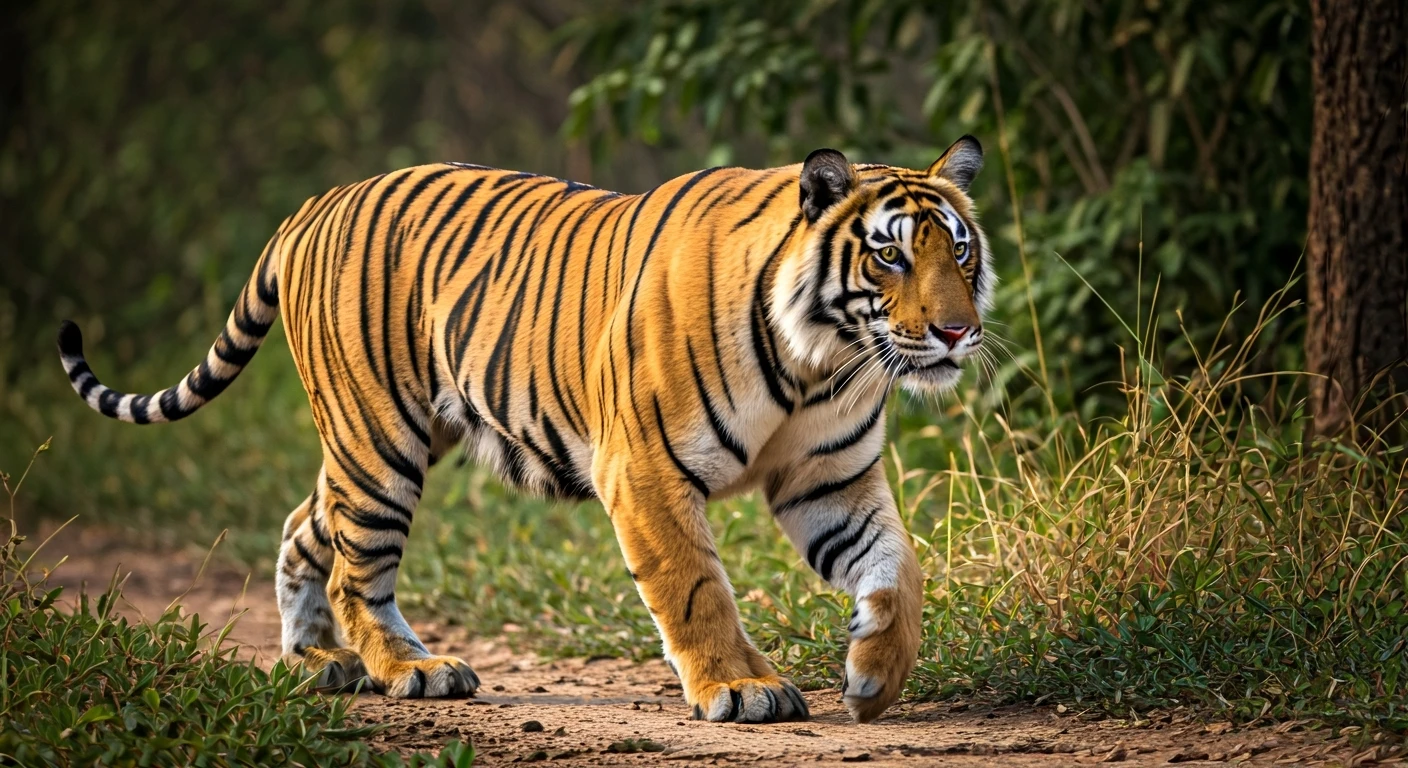
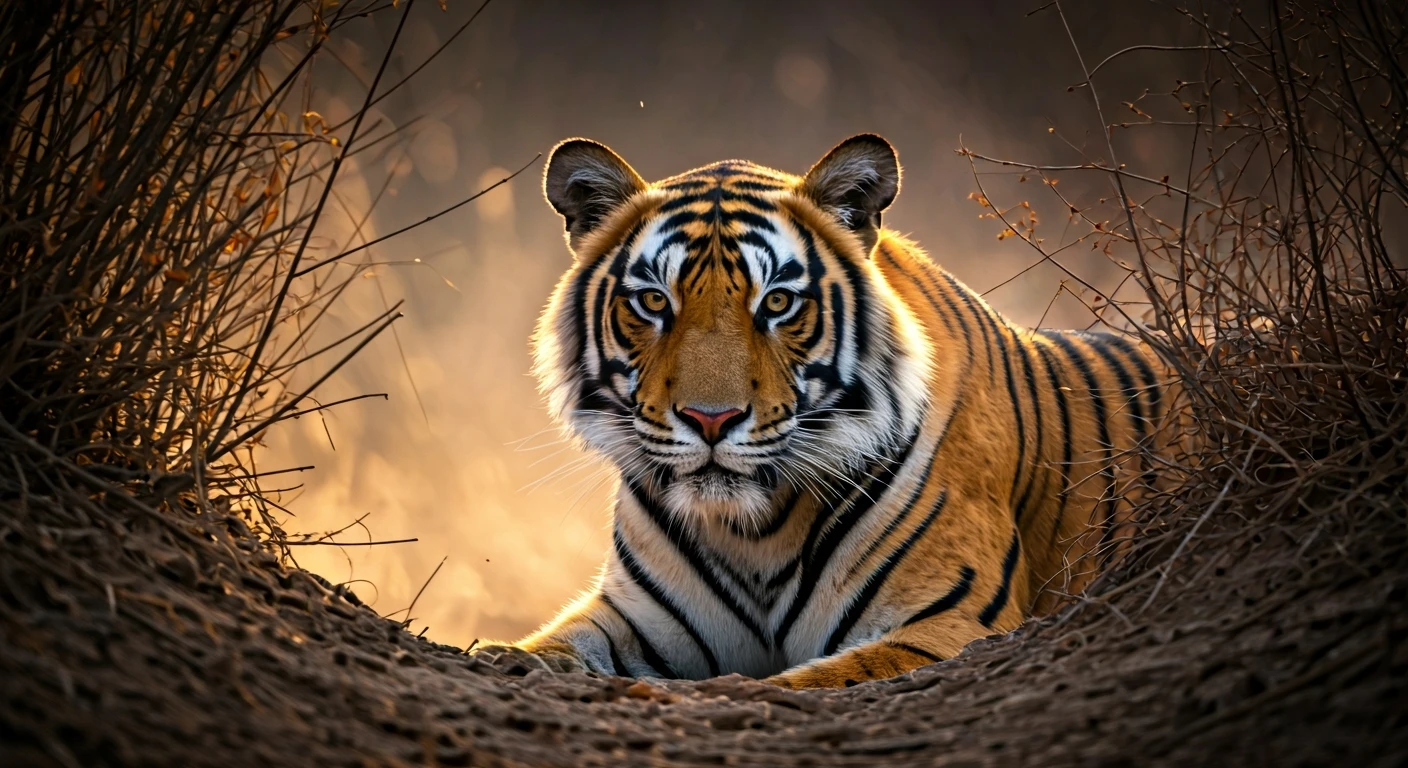
is different. It’s a quest, centered on one of the planet's most majestic and elusive predators: the Bengal tiger. While African safaris offer a broad ensemble cast, a trip to this corner of Rajasthan is a focused, dramatic search for a single protagonist. The thrill isn't in ticking boxes, but in the heart-pounding moment when a a tiger emerges from the forest. Every rustle in the undergrowth, every warning call from a deer, builds the suspense. Seeing a tiger here isn't just an observation; it’s the climax of a story you’ve become a part of.
History as a Habitat
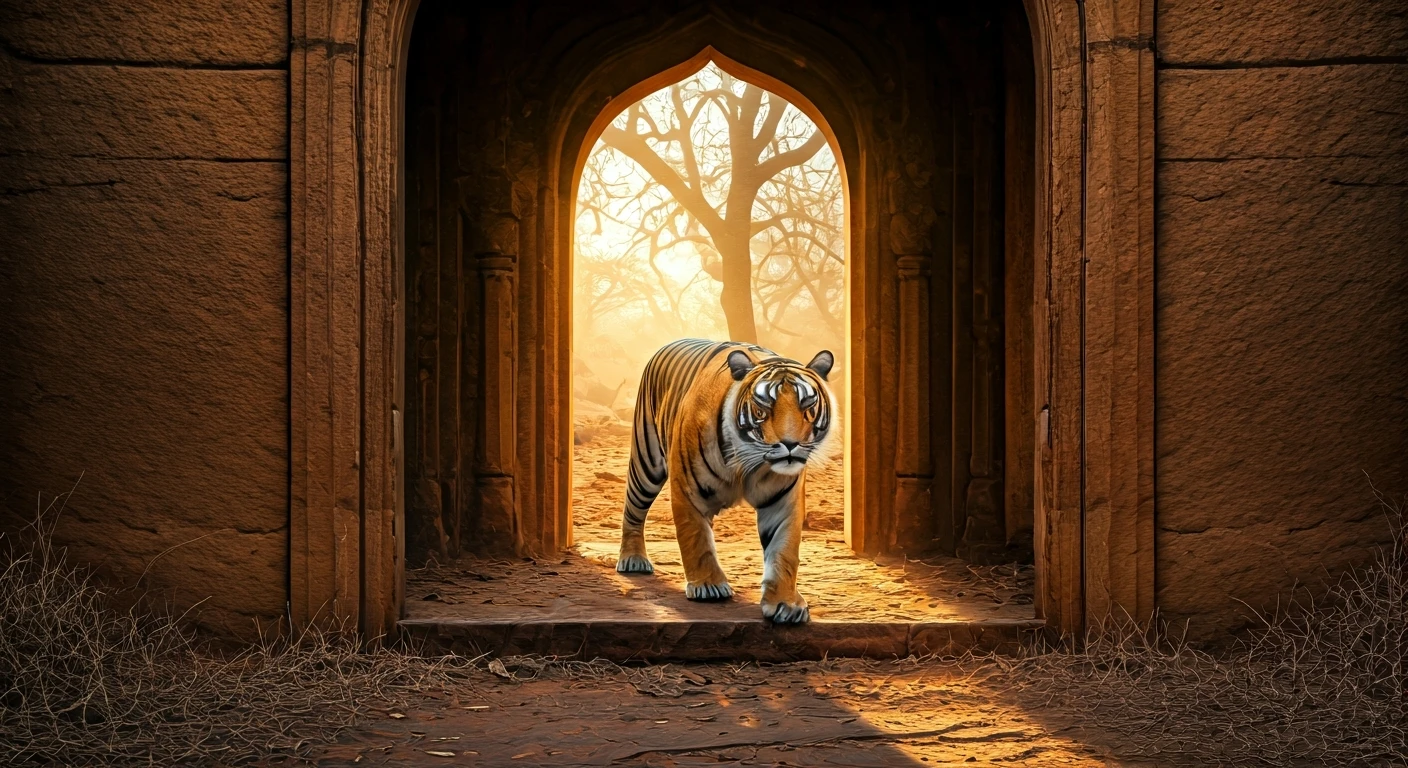
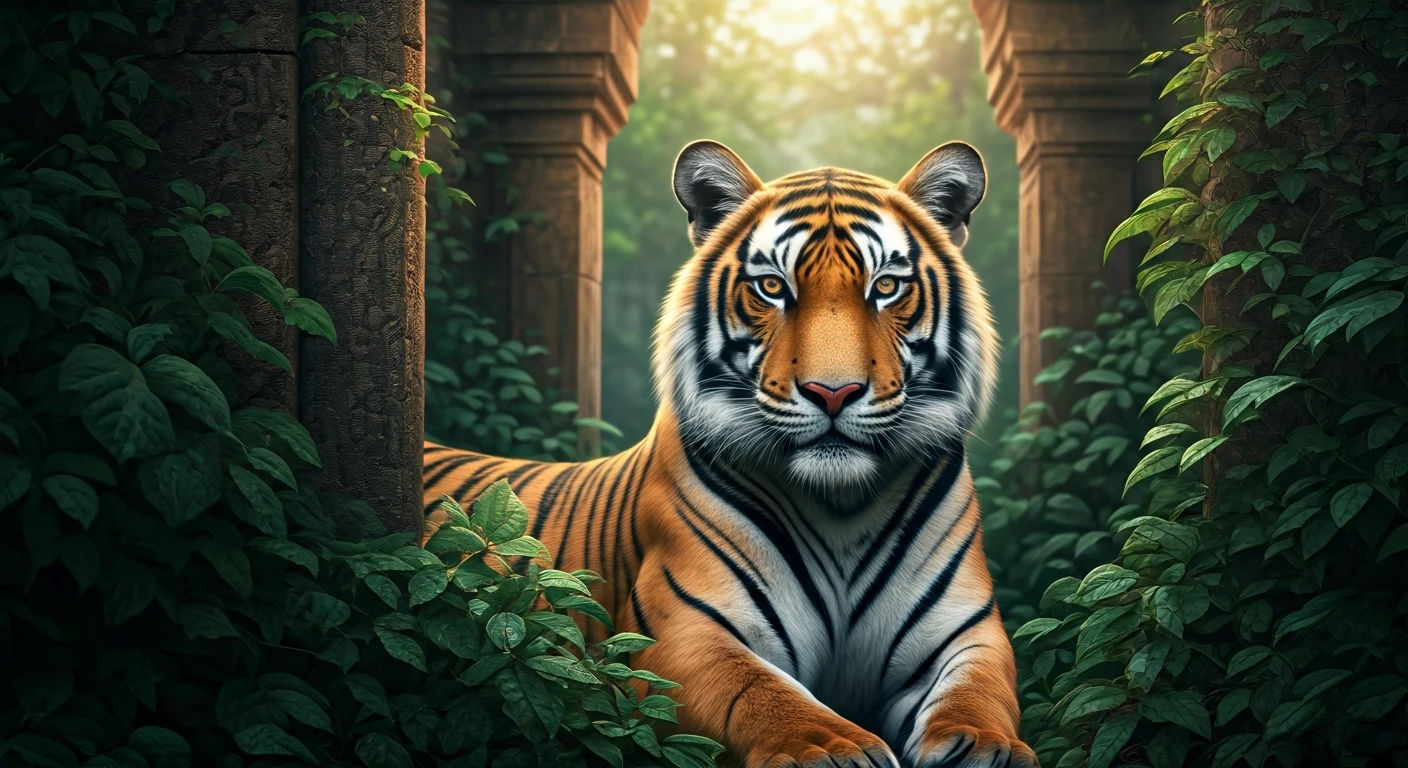
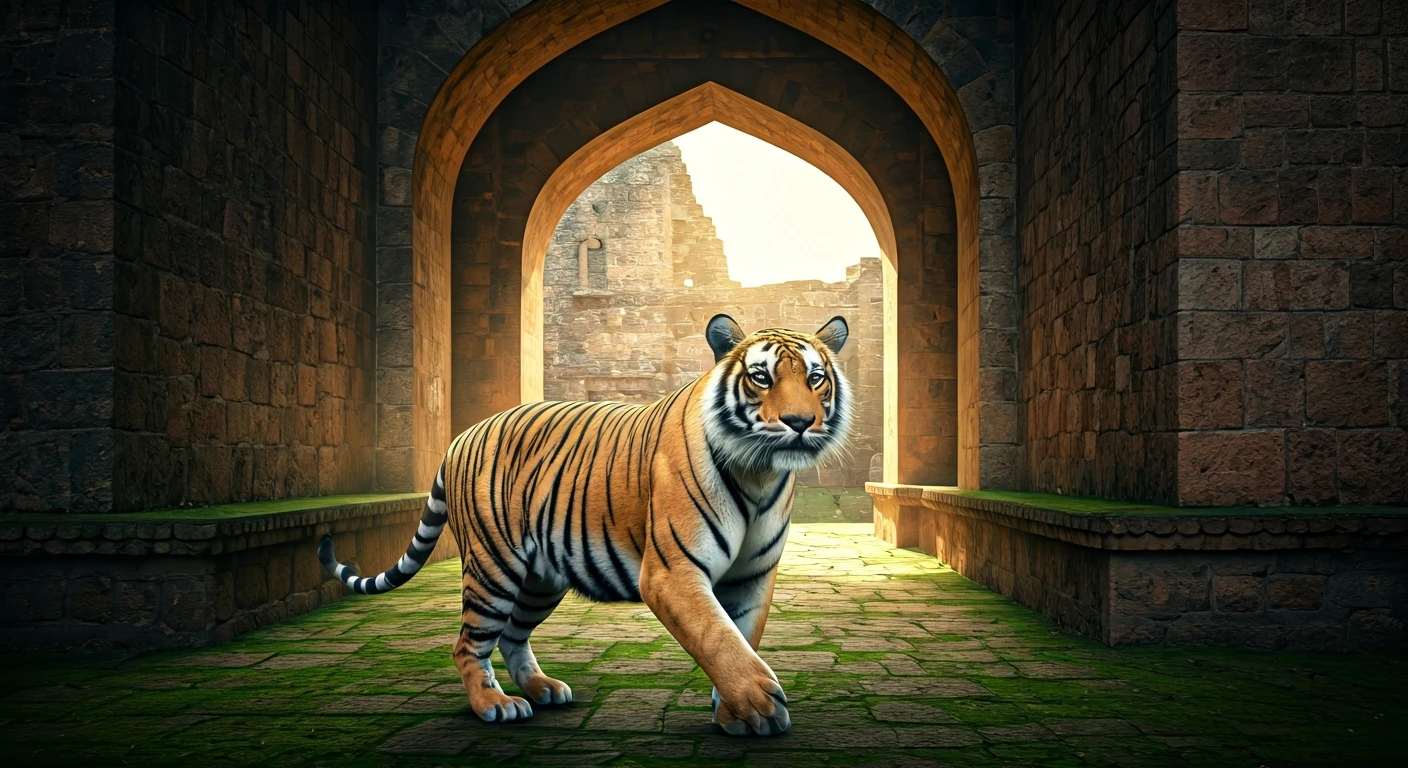
Here’s where Ranthambore truly diverges from the safari script. The park’s landscape is dominated by the formidable Ranthambore Fort, a UNESCO World Heritage Site with a history stretching back over a thousand years. This isn’t a ruin you view from a distance. The fort’s ramparts, temples, and cenotaphs are woven into the very fabric of the park. The tigers and leopards of Ranthambore have claimed these ancient structures as their own. A tigress might raise her cubs in the shadow of a centuries-old pavilion, or a male might survey his territory from the top of a stone wall built by Chauhan kings. In Africa, you might visit a Maasai village to experience local culture; in Ranthambore, the history is the habitat itself, creating a powerful, almost poetic, narrative of nature reclaiming a fallen kingdom.
The Safari, Indian Style
Forget the endless, flat savannahs of the Serengeti. Ranthambore’s terrain is a dramatic mix of dry deciduous forests, rocky escarpments, and serene lakes dotted with crocodiles. Your safari vehicle isn’t a high-sided Land Rover but typically an open-topped, six-seater Maruti Suzuki 'Gypsy' jeep. This low-slung, agile vehicle gets you deep into the rugged landscape, creating a more intimate and visceral connection to your surroundings. The park is divided into zones, and your safari is a calculated gamble, relying on the skill of your guide to interpret tracks and signs. The dense forest makes sightings a challenge, which only heightens the reward. When a tiger finally steps onto the path just feet from your jeep, the sense of awe is magnified by the effort of the search.
So, Should You Really Skip Africa?
Let’s be clear: the headline is a provocation, not a prescription. Africa’s safari destinations are iconic for a reason. The sheer scale of the Great Migration in Tanzania and Kenya, the raw beauty of Botswana’s Okavango Delta, and the guarantee of seeing herds of elephants against a Kilimanjaro backdrop are experiences that cannot be replicated. An African safari delivers a sense of boundless space and overwhelming animal abundance that is unique to the continent. The choice isn't about which is 'better,' but about the kind of story you want to find. Africa offers an epic of nature’s grand scale. Ranthambore offers a fairytale—a more intimate, historical, and almost mystical chapter in the book of wildlife travel.