





Ignoring That Little Tire Light
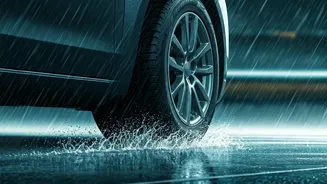
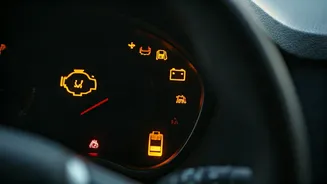
That TPMS (Tire Pressure Monitoring System) light on your dashboard is one of the most frequently ignored warnings, often dismissed until a tire looks visibly flat. This is a costly error. Driving on underinflated tires doesn't just tank your fuel economy
by up to 3% per the EPA; it also causes uneven and accelerated tire wear, forcing you to buy a new set sooner. More importantly, it compromises handling and increases the risk of a blowout, a serious safety hazard. The fix is simple: buy a cheap pressure gauge, learn your car's recommended PSI (usually on a sticker inside the driver's door jamb), and check your tires monthly. It takes five minutes and can save you hundreds of dollars and a potential accident.
Fixating on the Monthly Payment
When shopping for a car, it's tempting to ask, "How much per month?" and base your decision solely on that number. Dealerships love this question because it allows them to stretch the loan term to 72, 84, or even 96 months to hit your target payment. The problem? A longer loan means you pay significantly more in total interest. You also risk becoming "upside down" on your loan, where you owe more than the car is worth, for a longer period. Instead of focusing on the payment, focus on the "out-the-door" price of the vehicle and secure pre-approved financing from your bank or credit union. This puts you in control and helps you understand the total cost of your purchase, not just the bite it takes each month.
Forgetting About the Other Fluids
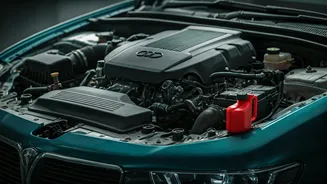
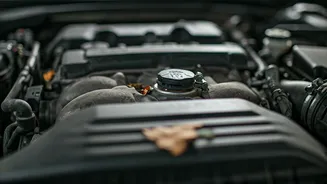
Everyone knows you need to change your oil. But your car runs on a whole cocktail of critical fluids that are often neglected. Brake fluid, for instance, is hygroscopic, meaning it absorbs moisture from the air over time. This can lower its boiling point, leading to a spongy pedal or, in extreme cases, brake failure. Similarly, old transmission fluid can lead to rough shifting and eventual transmission failure—one of the most expensive repairs imaginable. Coolant also breaks down, losing its anti-corrosive properties and potentially damaging your radiator and engine. Check your owner’s manual for the recommended service intervals for all your fluids, not just the oil.
Setting and Forgetting Your Insurance
Many drivers sign up for an auto insurance policy and let it auto-renew for years without a second thought. This can be a huge financial drain. Your circumstances change: you drive less, your car gets older and less valuable, or your credit score improves. All these factors can lower your premium. Insurers also change their rates constantly. The company that gave you the best deal three years ago might be one of the most expensive options for you today. At least once a year, take 30 minutes to shop around for new quotes. You should also review your coverage. Do you still need full collision and comprehensive on a 15-year-old car worth $2,000? Maybe, but it's a question worth asking.
Letting the Exterior Go
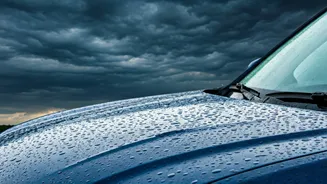
Washing your car isn't just about vanity; it's about preservation. Bird droppings, tree sap, and road salt are incredibly corrosive. Left to sit, they can eat through your car's clear coat and damage the paint underneath, leading to rust. A simple wash and a coat of wax twice a year provides a protective barrier that preserves your paint and makes future cleanings easier. This isn't just about looks; it's about resale value. A car with pristine, original paint is worth significantly more than one with faded spots, peeling clear coats, or surface rust. A few hours of effort a year can translate into a thousand dollars or more when it's time to sell or trade in.