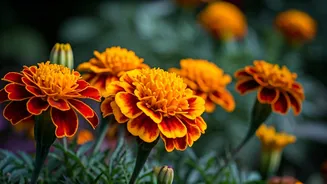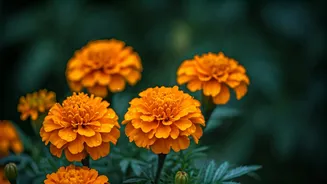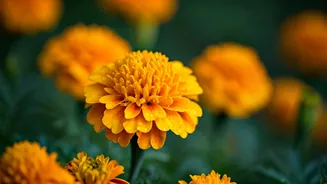






The Science Behind the Scent (and Roots)
The long-standing reputation of marigolds as pest repellents isn’t just folklore; it's rooted in science. While many gardeners love their distinct, pungent aroma, the real power lies hidden underground. Certain types of marigolds, particularly French
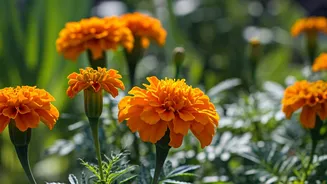
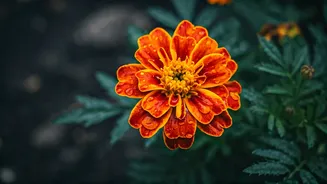
marigolds (Tagetes patula), produce a powerful biochemical called alpha-terthienyl in their root systems. This compound is a potent nematicide, meaning it’s toxic to several species of microscopic, plant-parasitic nematodes. Root-knot nematodes are a common and destructive garden pest, causing galls or “knots” on the roots of plants like tomatoes, peppers, and squash, stunting their growth and reducing yields. By planting marigolds, you are essentially fumigating your soil naturally. As the marigold roots grow, they release these compounds, creating a hostile environment for these invisible enemies. The effect is so significant that some farmers plant entire fields of marigolds as a cover crop to cleanse the soil before planting a valuable crop the following season.
Friend or Foe: What They Actually Repel
So, marigolds are a silver bullet for nematodes. But what about the pests you can actually see? This is where the story gets more nuanced. The strong scent of marigold foliage is anecdotally believed to confuse and deter some above-ground pests. Gardeners have reported success using them to ward off cabbage moths from brassicas, Mexican bean beetles from bean plants, and even whiteflies from tomatoes. The theory is that the strong odor masks the scent of the vegetable crop, making it harder for the pest to locate its preferred meal. However, the scientific evidence for this is much weaker than the evidence for nematode control. Furthermore, marigolds are not a universal repellent. In fact, they can sometimes attract pests you don't want, like spider mites, especially in hot, dry conditions. Slugs and snails can also be drawn to the tender seedlings. Think of them less as a magical shield and more as a specialized tool that is highly effective against one major threat (nematodes) with potential side benefits against others.
Making Them Work in Your Garden
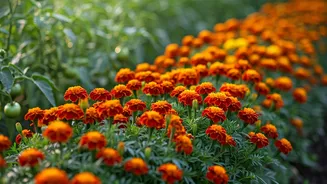
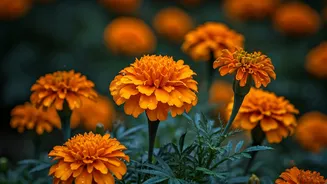
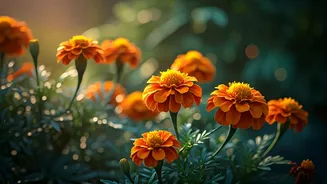
To get the most pest-repelling power, you can't just sprinkle a few marigolds around and hope for the best. Strategy matters. First, choose the right variety. For that potent anti-nematode effect, seek out French marigolds—varieties like 'Nemagold,' 'Tangerine,' or 'Bonita' are specifically cultivated for this purpose. African marigolds (Tagetes erecta) are less effective. Second, placement is key. For general protection, interplanting marigolds throughout your vegetable beds is the most common method. This distributes the protective root compounds and fragrant foliage among your vulnerable plants. For a severe nematode problem, the most effective (but more drastic) method is to dedicate an entire bed to a dense planting of marigolds for a full season. You then till the plants into the soil at the end of the year, which releases a final burst of their pest-fighting compounds and adds organic matter. This “biofumigation” can significantly reduce nematode populations for the next year’s planting.
Surviving the Wet Season
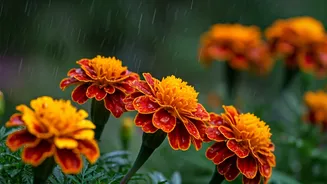
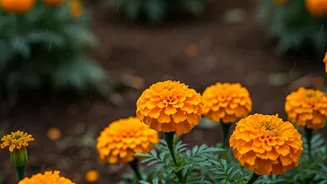
The headline's mention of “rain heavy months” is a crucial piece of the puzzle. Marigolds are famously hardy and adaptable. While they prefer full sun and are quite drought-tolerant, they also hold up well in periods of consistent rain, provided the soil has decent drainage to prevent root rot. This resilience makes them a perfect companion plant for seasons with unpredictable weather. More importantly, the conditions that marigolds tolerate—moist soil—are the very conditions in which nematodes and many fungal diseases thrive. During a wet summer, your vegetable roots are at their most vulnerable to these underground attackers. This is when the marigolds planted alongside them are doing their most important work, protecting the root zone while other plants might be struggling. Their easy-going nature means they won’t demand extra attention from you, even as they provide this silent, season-long protection when it’s needed most.