


The End of the Sad Desk Lunch
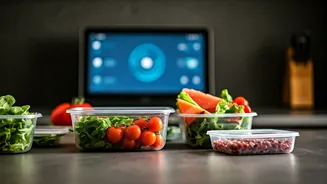
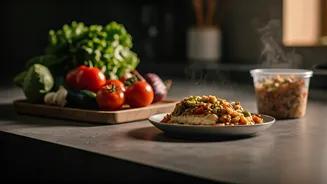
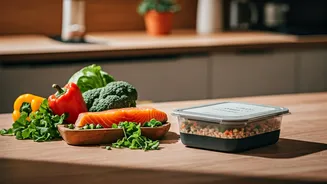
For decades, leftovers were a cornerstone of American frugality and efficiency. Packing last night’s casserole or chili for lunch was a sensible, responsible act. It saved money, reduced food waste, and solved the daily puzzle of what to eat. But the cultural
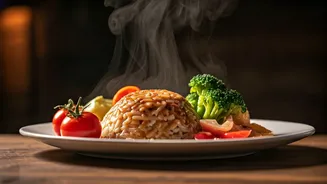
status of the leftover is changing. It's no longer the default option for a growing number of Americans. Instead, it’s being demoted in favor of meals that promise freshness, flavor, and a break from monotony. This isn't to say that Tupperware is extinct. But the automatic, day-after-day reliance on reheated meals is facing stiff competition. The ‘sad desk lunch’—that lukewarm, slightly compromised version of a once-delicious dinner—has become a symbol of a work culture many are eager to leave behind. In its place is a desire for something better, something made just for the moment. This shift is about more than just food; it’s about a broader reevaluation of our daily routines and a rising demand for small, accessible moments of pleasure.
The Convenience Economy Delivers
The single biggest driver of the fresh-meal revolution is the explosion of the convenience economy. Apps like DoorDash, Uber Eats, and Grubhub have fundamentally altered our relationship with food. A freshly made salad, a hot bowl of pho, or a custom-built burrito is no longer a weekend treat but an everyday possibility, available with a few taps on a screen. The 30-minute delivery window now directly competes with the 30-second microwave zap.
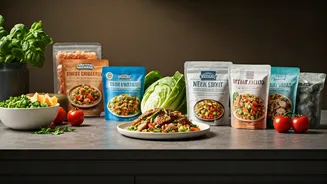
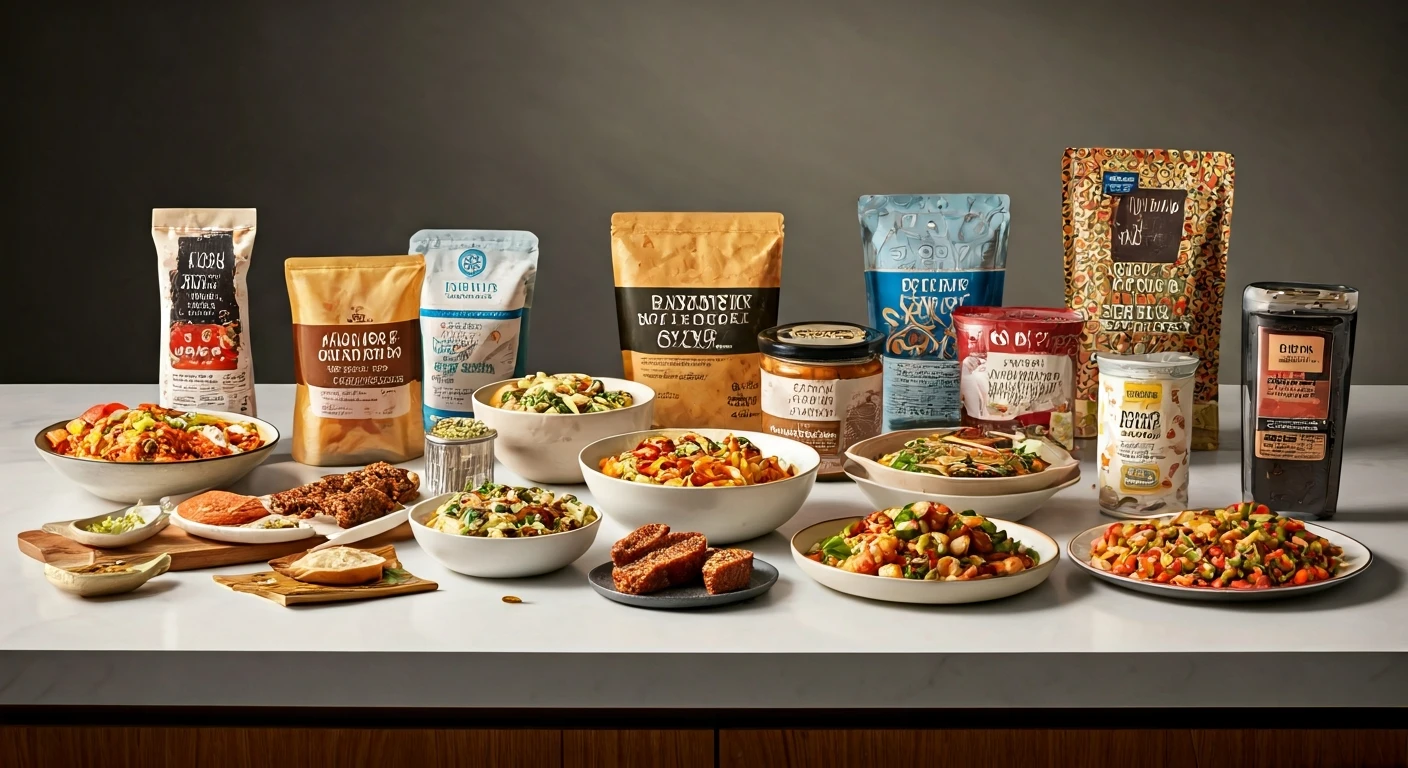
This technology has effectively eliminated the planning and effort that once made leftovers so appealing. Why bother portioning out spaghetti when a fresh plate from your favorite Italian place is just as fast and, for many, far more satisfying? Meal kit services like Blue Apron and HelloFresh represent the other side of this coin, offering the experience of a home-cooked, fresh meal without the mental load of recipe hunting and grocery shopping. They sell not just ingredients, but the feeling of culinary competence and the promise of a perfect, waste-free meal, every time.
Wellness Culture and the 'Fresh' Mandate
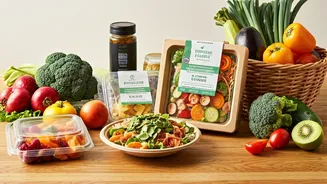
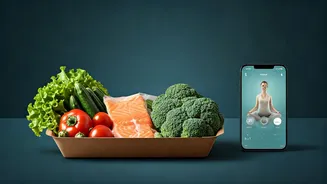
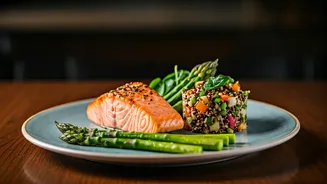
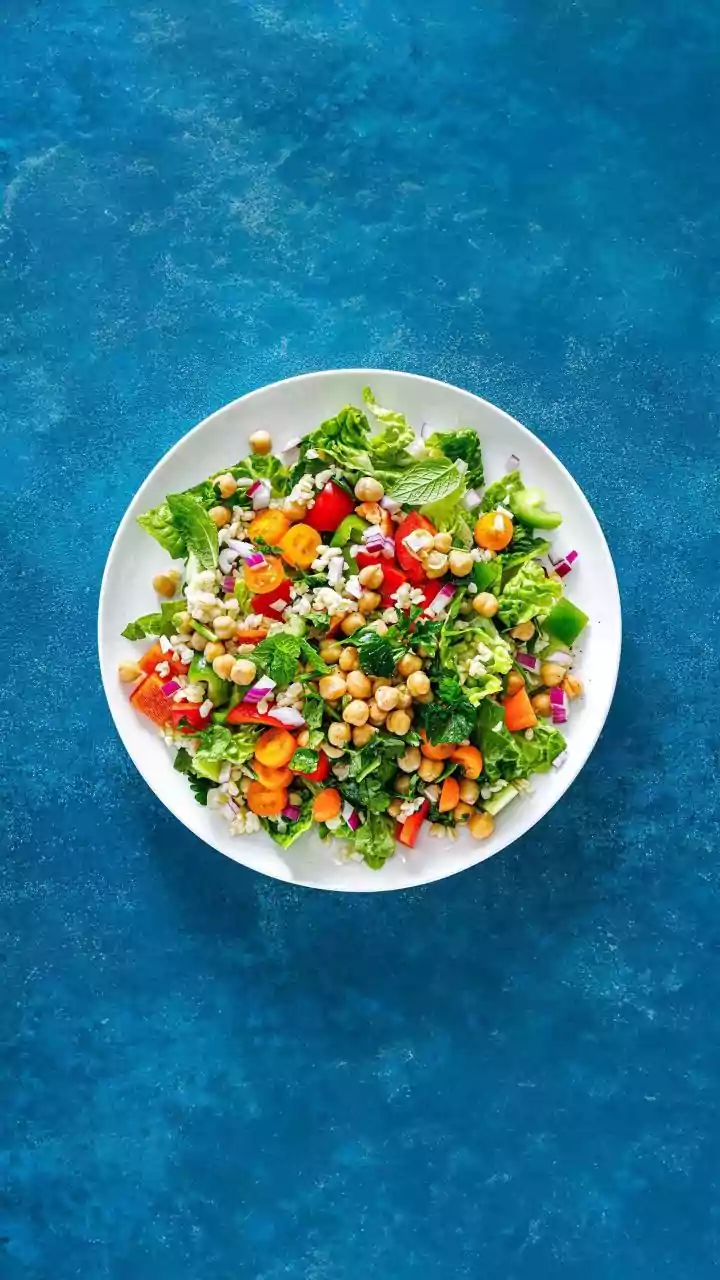
Running parallel to the tech boom is the pervasive influence of wellness culture. In the modern lexicon of health, ‘fresh’ is king. We’re bombarded with messages that equate freshness with vitality, nutrition, and clean living. Fresh-pressed juices, farm-to-table salads, and grain bowls packed with vibrant, raw ingredients are aspirational. In this context, a container of three-day-old stir-fry can feel like a nutritional compromise.
While the science on whether fresh is always healthier than reheated is debatable, the perception is powerful. Food that looks and tastes vibrant is marketed as being better for you. This mindset primes us to favor meals that are prepared in the moment over those that have been sitting in the fridge. It’s a subtle but significant psychological shift that makes ordering a fresh meal feel like an act of self-care, while eating leftovers can feel like a chore or, worse, a failure to prioritize one’s well-being.
The Work-From-Home Effect
The mass shift to remote and hybrid work threw another wrench into the leftover ecosystem. The office-goer’s lunchtime was constrained by a communal microwave and a short break. The home-based worker, however, has an entire kitchen at their disposal. This newfound freedom has changed the calculus. A quick, freshly cooked lunch—scrambled eggs, a quick pasta, or a toasted sandwich—is suddenly a viable and appealing option.
Furthermore, the clear boundary between home and work has blurred, and with it, the rituals around meals. Lunch is no longer just fuel to get through the afternoon but a genuine break in the day. For many, that means stepping away from the laptop to actually cook or ordering something that feels like a treat. The humble leftover, once a practical solution for the office cubicle, feels less necessary and less desirable in the comfort of one's own home, where better, fresher options abound.