



1. Master the Lighting Dial
The fastest way to change a room's personality is with light. Contemporary Indian interior design often moves beyond a single, static overhead fixture. Instead, it embraces layered lighting as a primary tool for transformation. Think of it as creating
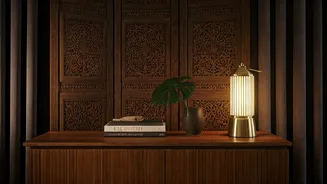
a 'lighting wardrobe.' For daytime work, a combination of bright, cool-toned task lighting and natural light keeps the space feeling alert and productive. Come evening, those lights go off. In their place, warm, low-level lamps, perhaps a floor lamp in a corner or a small table lamp on a console, create pockets of intimacy and calm. Smart bulbs, which can change color temperature and intensity with a tap on a phone, are a popular modern tool for achieving this effect instantly. This isn't just about dimmers; it's a strategic approach where different light sources are used to signal a complete shift in the room's purpose and mood.
2. Use Textiles as Transformers
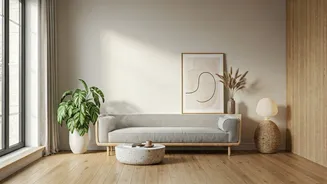
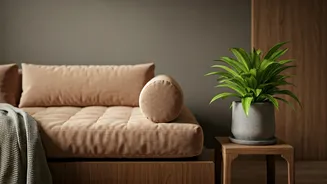
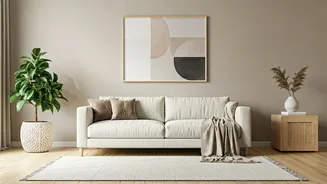
Textiles are in the DNA of Indian design, but their modern application is less about ornate decoration and more about versatile function. A living room can shed its formal skin in seconds. A crisp, neutral-colored throw on the sofa during the day can be swapped for a vibrant, richly textured one for an evening of entertaining. A stack of floor cushions, tucked away in a storage ottoman, can be brought out to create an informal, lounge-like atmosphere for guests. Even curtains play a role. Many modern Indian apartments use a double-rod system: one layer of sheer curtains to diffuse harsh sunlight during the day while maintaining privacy, and a second layer of heavier, opaque drapes that can be drawn at night for a cozy, cocoon-like feel. This tactile shift doesn't just change how the room looks; it changes how it feels to be in it.
3. Embrace Modular and Mobile Pieces
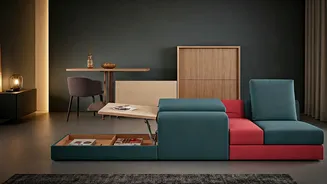
When your living room also has to be your office and dining room, static, heavy furniture becomes an obstacle. The solution lies in pieces that are either modular or mobile. Nesting tables are a classic example: they can be spread out to hold drinks and snacks when guests are over, then consolidated to save space. Ottomans with hidden storage and wheels are another workhorse, serving as a footrest, extra seating, or a makeshift coffee table. In many urban Indian homes, the formal dining table has been replaced by a multifunctional counter-height island or a beautifully crafted folding table that can be stored against a wall. This approach frees the floor plan from a fixed layout, empowering residents to reconfigure their space based on the needs of the hour, not the demands of their furniture.
4. Carve Out Distinct Zones
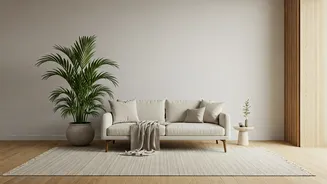
Creating a multi-mood room isn't just about swapping elements; it's about clever spatial organization. Even in a small studio apartment, you can create the illusion of separate rooms. This is the art of zoning. A strategically placed area rug can define a 'living room' area, visually separating it from a 'workspace.' An open-backed bookshelf can act as a permeable wall, creating a cozy reading nook without blocking light or making the room feel smaller. In India, you might see the modern-day version of a 'jaali' screen—a decorative, perforated partition—used to subtly divide a space. The psychological effect is powerful. By creating these designated zones, you can mentally 'leave' your work area and 'enter' your relaxation space, even if they are only a few feet apart. This mental shift is just as important as the physical one.
5. Deploy Scent and Sound
The most underrated tools for a mood switch are the ones that appeal to senses beyond sight. Modern Indian homes often incorporate sensory cues to signal a change in pace. The end of the workday might be marked by lighting an incense stick or a scented candle with calming notes of sandalwood or jasmine. An essential oil diffuser can switch from an invigorating citrus scent during the day to a relaxing lavender at night. The same principle applies to sound. The background noise of the day—perhaps news or an energetic playlist—can be replaced by soft, instrumental music or the soothing sounds of a small, indoor water feature in the evening. These non-visual cues work on a subconscious level, helping your brain recognize that the function of the space has changed, and it's time to transition along with it.