



First, Identify the Enemy
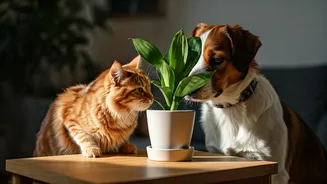
Before you bring another plant home, you need to know which ones pose a threat. Many of the most popular and Instagrammable houseplants are unfortunately toxic to cats and dogs if ingested. According to the ASPCA, the list is long and includes common
varieties like lilies (extremely toxic to cats), philodendrons, pothos, dieffenbachia (dumb cane), and Sago palms. Ingestion can cause anything from mild mouth irritation and stomach upset to severe issues like kidney failure or death. The first step to a harmonious home is auditing your current collection. Use the ASPCA's comprehensive online database to check each plant you own and identify any that need to be rehomed or moved to a completely inaccessible location.
Build a Pet-Safe Jungle
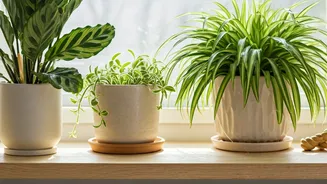
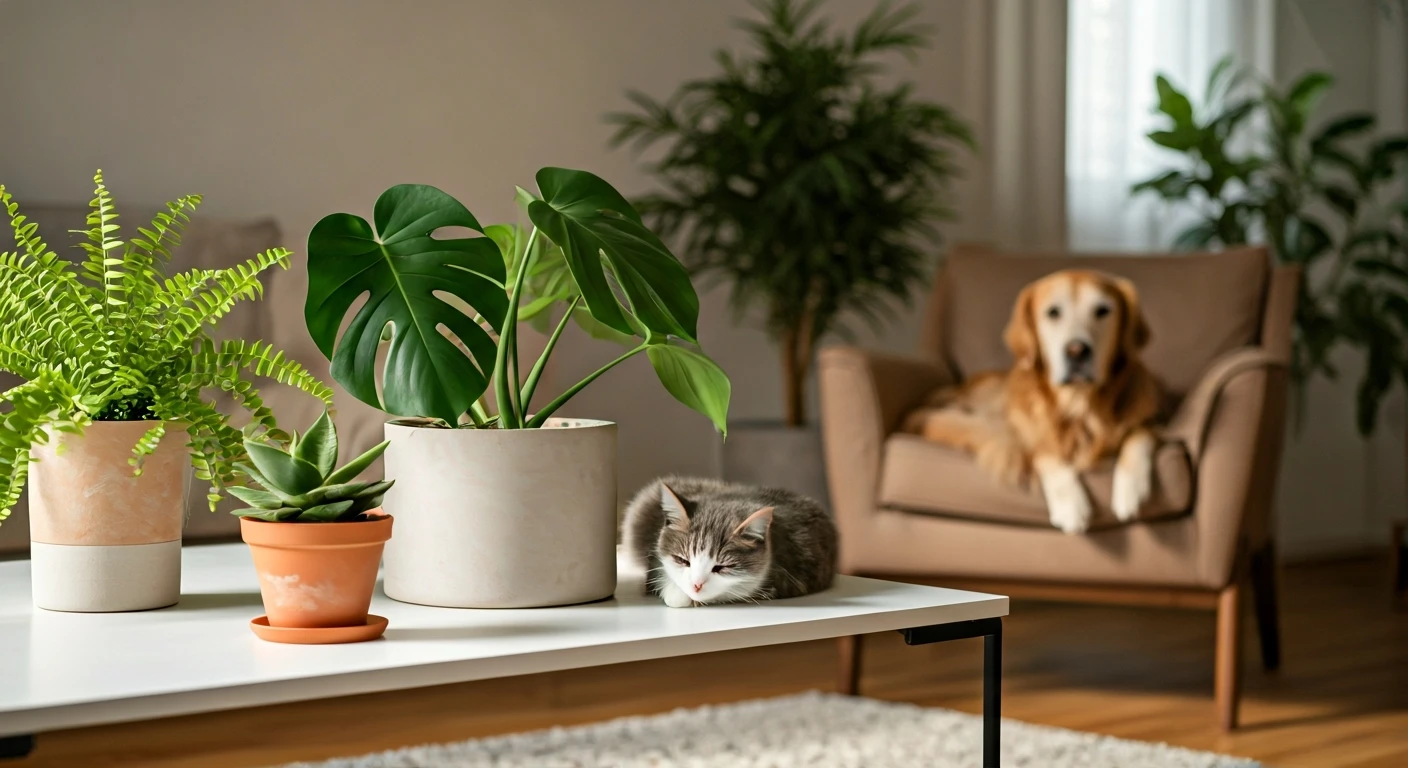
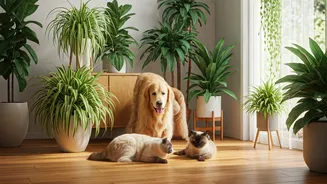
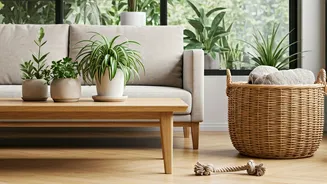
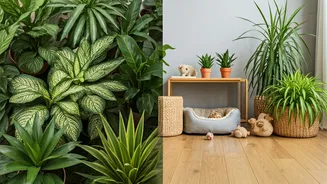
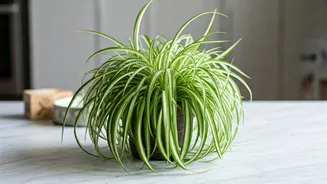
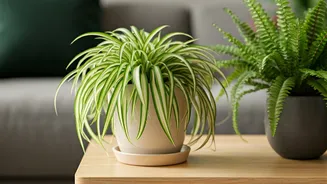
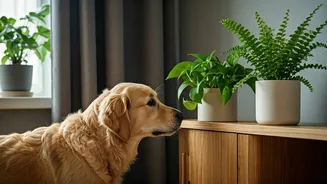
The good news is that you don't have to settle for a plant-free existence. There are hundreds of gorgeous, interesting, and completely non-toxic plants that are safe for your furry companions. Building your collection around these species is the easiest way to create a worry-free environment. Some tried-and-true favorites include the Spider Plant (with its fun, dangly “pups”), the entire Calathea family (like the stunning Rattlesnake Plant), a variety of ferns (Boston, Bird's Nest), and the resilient Cast Iron Plant. The Peperomia family also offers a vast array of pet-safe options with fascinating leaf textures and colors. Focusing on these plants means you can relax, even if your cat decides a leaf looks like a fun snack.
Think Vertically: Placement Is Everything
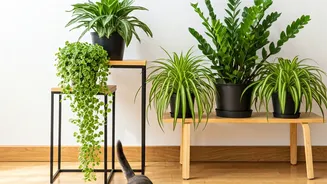
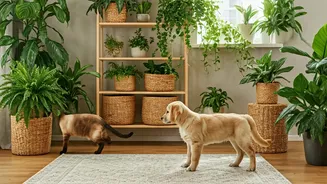
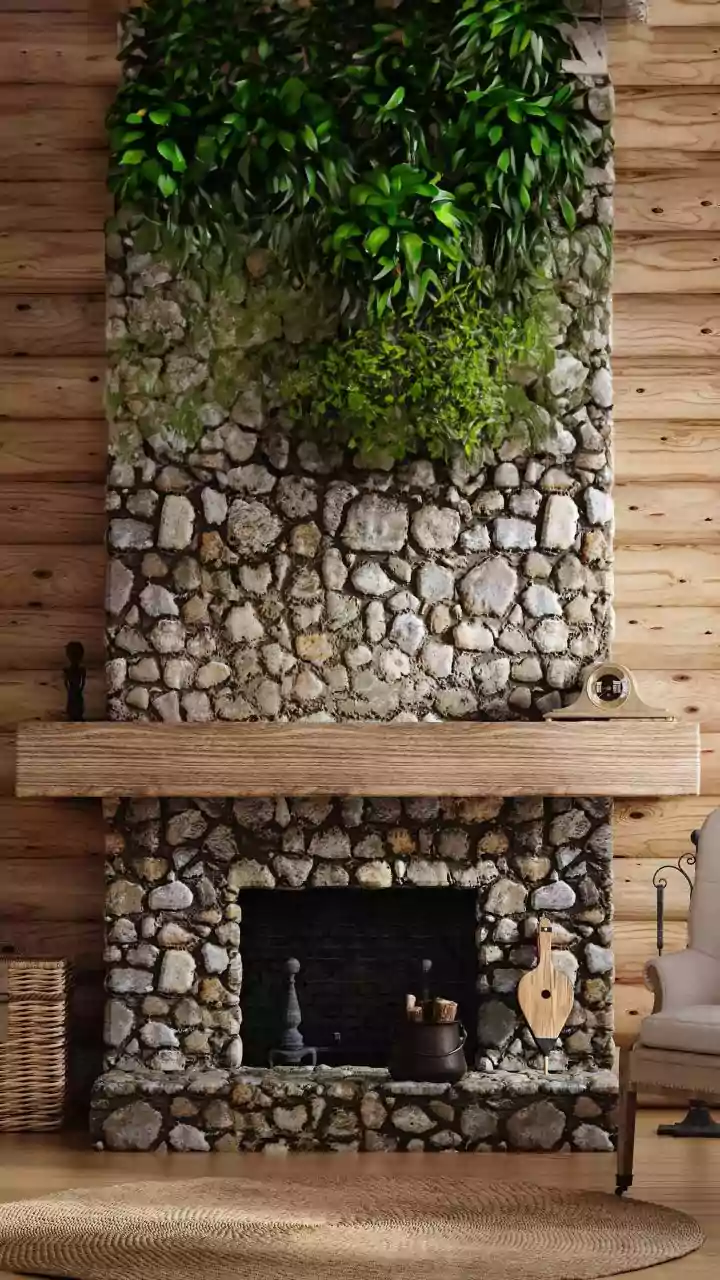
Even with safe plants, you might want to prevent them from being shredded. For both toxic and non-toxic plants you want to protect, the solution is to go up. Keep plants well out of reach of curious paws and mouths. This is your chance to get creative with decor. Install floating shelves to create a “living wall” effect. Use stylish hanging planters to draw the eye upward and add dimension to a room. Tall bookcases or sturdy plant stands can elevate your greenery above the danger zone. The key is to assess your pet's capabilities. A lazy Basset Hound has a much lower reach than an athletic Bengal cat who sees every high surface as a personal challenge. Ensure shelves are secure and that there isn't a nearby “launchpad” like a sofa arm.
Create Gentle No-Go Zones
Sometimes a pet is just relentlessly determined to dig in a specific pot. For these situations, you can create gentle deterrents that make the plant less appealing. Many cats, for example, dislike the texture of aluminum foil; placing a crinkled “collar” of foil on the soil can be an effective, if not beautiful, temporary solution. Placing large, smooth river rocks on top of the soil can also prevent digging. For chewers, a bitter-tasting spray designed for pets can be applied to leaves. These sprays are harmless but have an unpleasant taste that discourages nibbling. Always choose a product specifically made for this purpose and test it on a small part of the plant first.
Offer a Better Alternative
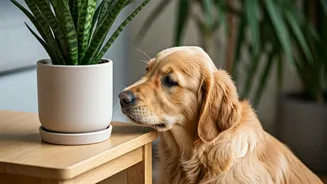
Often, a pet’s interest in your houseplants stems from a natural instinct to chew on greenery. You can redirect this behavior by providing them with their own personal, pet-friendly garden. Cat grass (typically a mix of oat, rye, or wheat grass) is easy to grow and provides felines with the fibrous greens they crave. It can help with digestion and reduce their interest in your prized prayer plant. For dogs, a patch of durable outdoor grass or even offering crunchy veggie snacks like carrots can satisfy their need to chew. By providing a sanctioned outlet for their instincts, you make your decorative plants far less tempting targets.
Know When to Go Faux
Let’s be honest: sometimes the perfect plant for a specific corner is a toxic one. If you have your heart set on the aesthetic of a fiddle-leaf fig in a spot your dog loves to nap, it’s time to embrace high-quality artificial plants. Today's faux options are a world away from the dusty plastic monstrosities of the past. Many are incredibly realistic, down to the texture of the leaves and imperfections on the stems. Using an artificial plant in a high-traffic or pet-heavy area gives you the exact look you want with zero risk. It’s not a failure; it’s a smart, safe design choice that prioritizes your pet’s well-being.