








Why Probiotics Matter for Your Gut
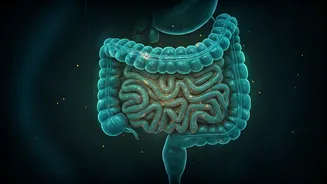
Before you start brewing, let's cover the basics. Your gut is home to trillions of microorganisms, collectively known as your gut microbiome. Think of it as a bustling city inside you. When the 'good' bacteria are thriving, they help with digestion, support
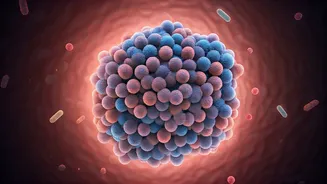
your immune system, and can even influence your mood. Probiotics are live, beneficial bacteria that help maintain this healthy balance. While you can get them from yogurt or supplements, fermented drinks are a fantastic and traditional way to introduce a diverse range of these helpful microbes into your system. Making them at home is not only cost-effective but also gives you complete control over the ingredients.
1. The Beginner's Brew: Water Kefir
If you're new to fermentation, water kefir is the perfect place to start. It's a light, fizzy, and slightly sweet drink that’s dairy-free and incredibly easy to make. Unlike the more famous milk kefir, it’s made with water, sugar, and 'water kefir grains'—not actual grains, but gelatinous colonies of beneficial bacteria and yeast. You can buy these grains online, and they multiply with each batch, so you can share them with friends. Simple Recipe: 1. Dissolve ¼ cup of sugar in 4 cups of non-chlorinated water. 2. Once cool, add ¼ cup of active water kefir grains. 3. Cover the jar with a coffee filter or cloth and secure with a rubber band. 4. Let it ferment at room temperature for 24-48 hours. It will become less sweet as the grains consume the sugar. Strain out the grains (and save them for your next batch!), and your water kefir is ready to drink or flavor in a second fermentation.
2. The Classic Tonic: Kombucha
Kombucha is a tart, bubbly tea that has become a wellness staple. It's fermented using a SCOBY (Symbiotic Culture Of Bacteria and Yeast), a rubbery, pancake-shaped disc that works its magic on sweetened tea. Getting a SCOBY is easy; you can buy a starter kit online or get one from a friend who already brews. Simple Recipe: 1. Brew 8 cups of strong black or green tea. While it's still hot, dissolve 1 cup of sugar in it. 2. Let the tea cool completely to room temperature. This is crucial—hot tea can kill your SCOBY. 3. Pour the sweet tea into a large glass jar. Gently add your SCOBY and at least 1 cup of starter liquid (mature kombucha from a previous batch or the liquid your SCOBY came in). 4. Cover with a cloth and let it ferment for 7-14 days, away from direct sunlight. The longer it sits, the more vinegary it will taste. Once it reaches a flavor you like, your kombucha is ready.
3. The Easiest of All: Beet Kvass
If you want something incredibly simple with no special cultures required, beet kvass is your answer. This traditional Eastern European tonic is an earthy, salty, probiotic-rich brine that harnesses the wild yeasts naturally present on the beets. It's known as a fantastic blood and liver tonic in traditional medicine and is a great source of gut-friendly bacteria. Simple Recipe: 1. Wash and chop 2-3 medium organic beets into 1-inch cubes (no need to peel). 2. Place the beets in a half-gallon glass jar and add 1-2 teaspoons of sea salt. 3. Fill the jar with non-chlorinated water, leaving about an inch of space at the top. 4. Cover securely with a lid and leave it on your counter for 3-7 days. 'Burp' the jar daily by briefly unscrewing the lid to release pressure. When it has a pleasant, earthy, and slightly tangy taste, it's done. Strain and refrigerate the liquid. You can use the beets for one more batch.