


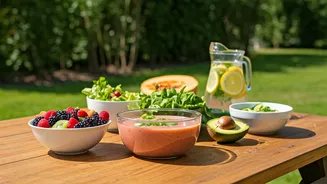

The Science of the Summer Slump
That heavy, lethargic feeling after a big meal on a hot day isn’t just in your head. It’s a biological process known as the thermic effect of food (TEF). Your body uses energy to digest food, and this process generates heat. The bigger and more complex
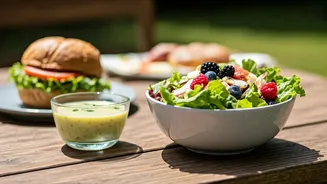
the meal, the more heat you produce internally. Foods that are high in protein and fat require the most digestive work. On a 90-degree day, asking your body to digest a rich, heavy meal like a cheeseburger and fries is like turning on a small space heater inside yourself. Your system is already working overtime to cool you down through sweating; adding a significant digestive load only makes its job harder, leading to that familiar desire for a long, unproductive nap.
Eat Your Water
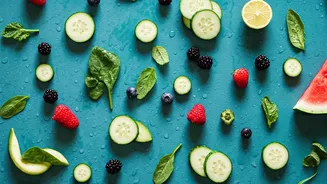
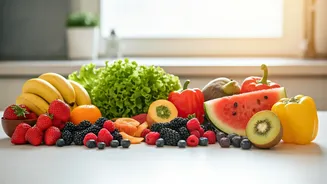
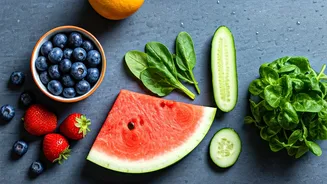
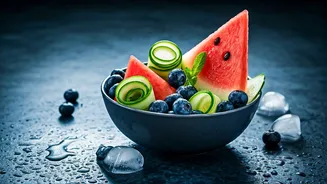
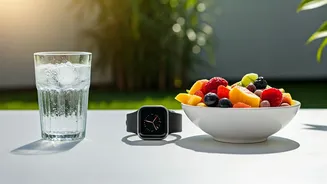
Staying hydrated is summer survival 101, but chugging water isn’t the only way to do it. Many of the season’s best foods are naturally packed with water, helping you hydrate from the inside out. Think of watermelon, which is over 90% water, or crisp cucumbers, strawberries, and bell peppers. These foods do double duty: they provide essential vitamins and minerals while contributing to your daily fluid intake. This cellular hydration helps keep your energy levels stable and your body’s cooling systems running efficiently. A salad, for instance, isn’t just a “light” meal; it’s often a plate full of hydrating ingredients that refresh you rather than weigh you down.
Building the Perfect Summer Plate
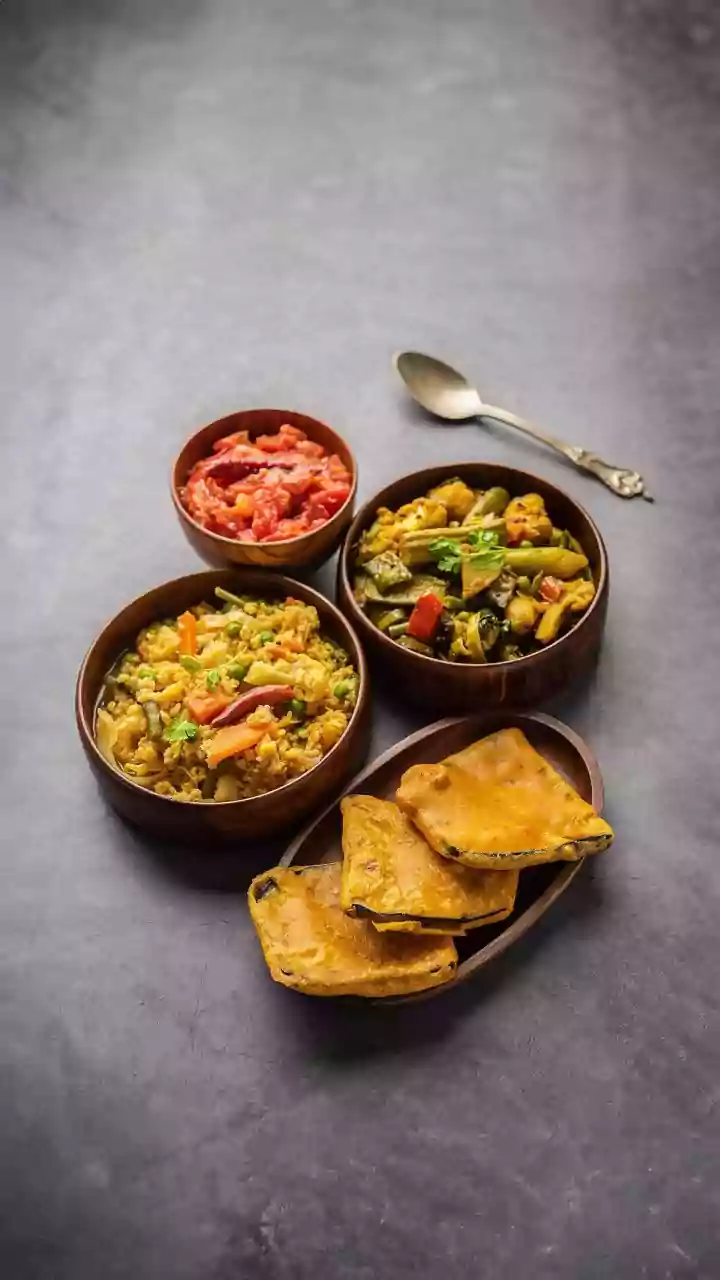
So what does “eating light” actually look like? It’s not about deprivation; it’s about smart composition. A well-balanced summer plate should be colorful, fresh, and easy on your digestive system. Aim for a simple formula: a lean protein, an abundance of fresh produce, and a small portion of complex carbs. Grilled fish or chicken provides protein without the heaviness of red meat. Pair it with a large, vibrant salad dressed in a simple vinaigrette, some grilled asparagus, or a side of fresh fruit salsa. Instead of heavy potato dishes, try a quinoa salad with fresh herbs or some chilled soba noodles. The goal is to create a meal that is satisfying and nutrient-dense without requiring a massive expenditure of digestive energy.
Simple Swaps for Hot Days
You don’t have to completely overhaul your diet to feel the benefits. Making small, strategic swaps can make a huge difference in how you feel. * **Instead of a creamy soup:** Opt for a chilled gazpacho or cucumber-avocado soup. * **Instead of a heavy pasta with cream sauce:** Try a pasta salad with cherry tomatoes, basil, feta, and an olive oil dressing. * **Instead of a steak:** Go for grilled shrimp skewers or a flaky white fish like cod or halibut. * **Instead of ice cream for dessert:** Enjoy a bowl of mixed berries, a fruit sorbet, or a frozen yogurt pop. These simple changes reduce the fat and protein density of your meals, making them easier to digest and less likely to spike your internal temperature.
Rethink Meal Timing and Size
Finally, consider not just *what* you eat, but *how* you eat it. Instead of three large meals, you might feel better with smaller, more frequent meals or snacks throughout the day. This grazing approach prevents you from ever feeling overly full and avoids the significant energy crash that can follow a massive lunch. A handful of almonds, a piece of fruit, some yogurt, or a veggie-and-hummus plate can keep your blood sugar stable and your energy consistent. This strategy keeps your digestive system from being overloaded, helping your body better cope with the external heat and making the entire day feel less like a struggle.