
Redefining the Perfect Getaway
For decades, luxury travel was defined by opulence: five-star hotels, Michelin-starred meals, and first-class flights. While those things are still nice, a new, more valuable currency has emerged in the post-pandemic travel boom: space. As iconic destinations
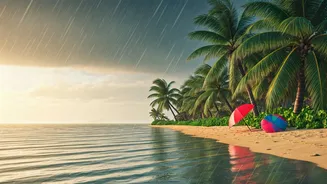
from Venice to Bali grapple with overtourism, the experience of waiting in long lines under a blazing sun, jostling for a photo, and paying peak-season prices has started to feel decidedly un-luxurious. The ultimate status symbol is no longer what you can afford, but what you can avoid—namely, the crowds. This shift in mindset is fundamentally changing when and where people choose to go. Instead of fighting for a sliver of sand in July, travelers are discovering the quiet, introspective beauty of a place during its so-called “bad” weather season.
The Sensory Allure of the Rains
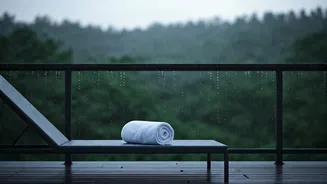
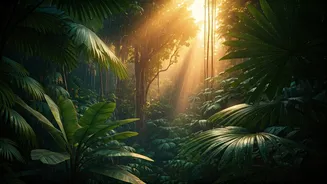
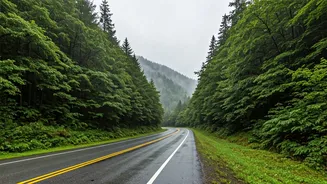
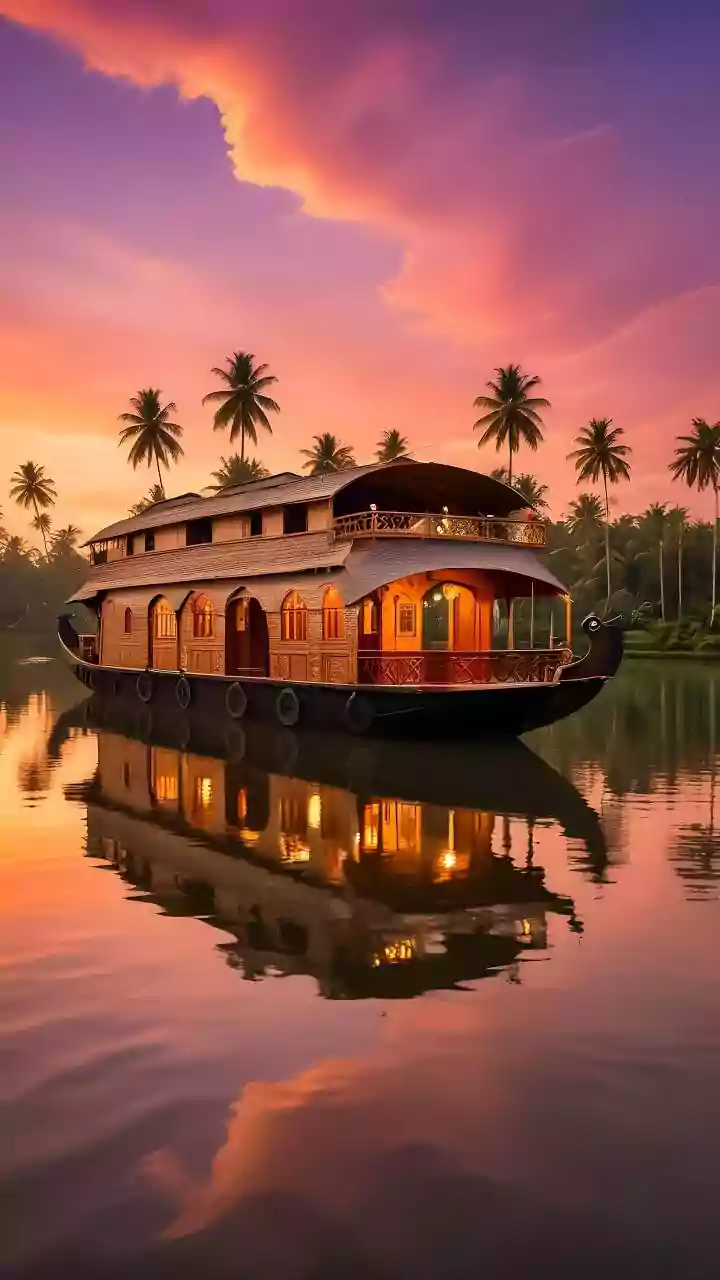
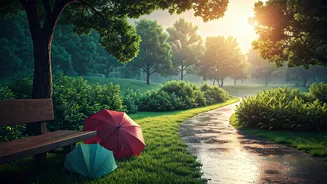
The term “monsoon season” often conjures images of flooded streets and canceled plans. The reality, in many tourism-focused regions, is far more appealing. It’s rarely a nonstop, days-long deluge. More often, it’s a cycle of intense, dramatic downpours followed by hours of sunshine, leaving behind a world that feels freshly washed and intensely alive. The dust is gone, replaced by a deep, earthy scent. Landscapes that were dry and brown erupt into impossible shades of green. In places like Costa Rica’s cloud forests or India’s Kerala backwaters, the rain isn’t a bug; it’s a feature. The sound of a downpour on a tin roof from the comfort of a dry bungalow, with a book and a warm drink, is a cozy, atmospheric experience that sun-baked high seasons simply can’t replicate. The dramatic, moody skies make for stunning photography, and the cooler air after a storm can be a welcome relief from oppressive heat.
The Practical Perks Are Real
The romance of the rain is backed by cold, hard cash. Traveling during the off-season is almost always significantly cheaper. Flights and accommodations can be 30-50% less expensive than during peak months, meaning your travel budget stretches much further. That five-star resort that felt unattainable in December might be within reach in July. But the benefits go beyond the bottom line. With fewer tourists, the locals are more relaxed and the service is often more personal. You're not just another face in the crowd. Restaurant reservations are easier to get, popular sites are blissfully empty, and you can experience a place at a more natural, unhurried pace. This is the difference between seeing a country and truly experiencing it. You get a glimpse of what life is like when the tourist hordes have gone home, creating a more authentic and memorable connection to the destination.
Destinations That Shine in the Rain
This trend isn’t limited to one corner of the globe. In Southeast Asia, countries like Thailand, Vietnam, and Cambodia see their rice paddies turn a vibrant emerald green during the summer monsoon. While beach time might be intermittent, it’s a fantastic period for exploring temples, cities, and inland culture. In the American Southwest, the summer “monsoon” brings dramatic thunderstorms that create spectacular light shows over the Arizona and New Mexico deserts. In Central America, the “green season” is a favorite among wildlife enthusiasts, as the rains bring animals out and the forests are at their most lush. Even European destinations have their own version; a trip to the Scottish Highlands in the misty, moody autumn offers a different, but equally profound, beauty compared to the crowded summer.
Know Before You Go
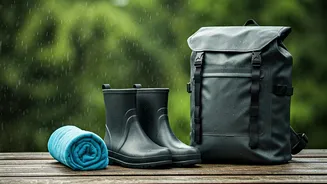
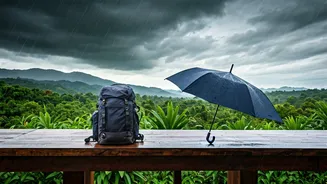
Of course, embracing the monsoon requires a slight adjustment in expectations. It’s crucial to pack for it: bring a good rain jacket, waterproof footwear, and quick-drying clothes. Some more remote hiking trails or boat tours may indeed be canceled due to weather, so building flexibility into your itinerary is key. Instead of a packed minute-by-minute schedule, plan for leisurely mornings, museum visits, or cooking classes that can be enjoyed regardless of the weather. The biggest asset you can bring is the right attitude. If you see rain as an obstacle, you’ll be frustrated. But if you see it as part of the atmospheric adventure—a force of nature that makes your trip more unique and less crowded—you’ll be rewarded with an experience most travelers completely miss.