




The Real Star Is Your Scalp
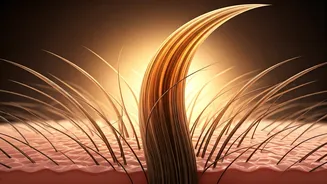
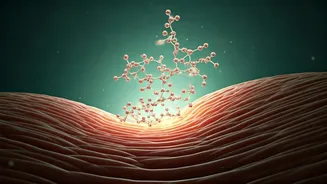
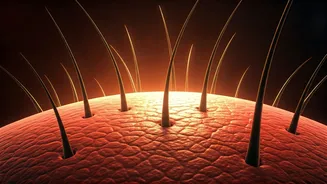
For decades, we’ve focused on the strands, but the most significant shift in modern hair care is looking higher up: at the scalp. Think of it this way: you can’t grow healthy plants in bad soil. Your scalp is living skin, complete with its own microbiome—a
community of microorganisms that, when balanced, protects against inflammation and irritation. When it’s out of whack due to product buildup, oil, or harsh cleansers, you get issues like itchiness, flakes, and even inhibited hair growth. The science-backed trend is to treat your scalp with the same care you give your face. This means regular, gentle cleansing to remove buildup and, for some, using a chemical exfoliant with salicylic or glycolic acid. These ingredients help dissolve dead skin cells and excess sebum, keeping follicles clear and creating the perfect environment for healthy, strong hair to grow.
Heat Protectant Is Not a Suggestion
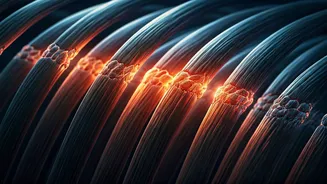
We’ve all heard it, but it bears repeating because the science is crystal clear. Your hair is primarily made of a protein called keratin. When you apply high heat (think flat irons, curling wands) to unprotected hair, you’re essentially cooking that protein. This process, called denaturation, permanently damages the hair’s internal structure, creating cracks in the cuticle (the outer layer) and weakening the strand from the inside out. The result is split ends, frizz, and breakage. A heat protectant isn’t a magic force field, but it’s the next best thing. Most formulas use silicones or polymers that create a thin film on the hair shaft. This coating does two things: it slows down heat conduction and distributes it more evenly, preventing hot spots that cause the most damage. It’s the difference between a minor, manageable risk and guaranteed structural damage.
Bond-Building Is More Than Hype
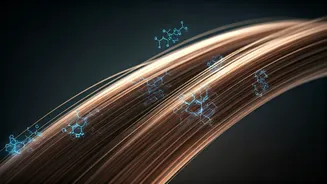
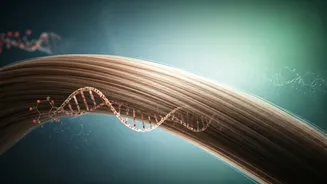
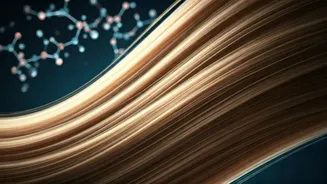
If you’ve bleached, colored, or heat-styled your hair, you’ve probably heard of bond-building treatments like Olaplex or K18. This isn't just clever marketing; it’s a genuine breakthrough in hair chemistry. Your hair’s strength and shape come from millions of internal chemical bonds, particularly disulfide bonds. Chemical processing and extreme heat snap these bonds, leaving hair fragile and prone to breaking. Traditional conditioners and masks can smooth the *outside* of the hair, but they can’t fix this internal damage. Patented bond-building molecules are small enough to penetrate the hair cortex and chemically repair or mimic these broken disulfide bonds. They literally rebuild the hair’s core structural integrity from the inside out. While not a complete reversal of all damage, it is the closest science has come to truly repairing the chemical structure of compromised hair, making it a legitimate tool for anyone with damage.
Not All Sulfates Are Villains
The “sulfate-free” movement has dominated hair care for years, but the science is more nuanced. Sulfates, like sodium lauryl sulfate (SLS), are surfactants—powerful detergents very effective at removing dirt, oil, and product buildup. For people with very oily scalps or who use lots of styling products, a shampoo with sulfates can be essential for a truly clean scalp. The problem is they can be *too* effective for some, stripping away natural oils from people with dry, color-treated, or sensitive skin, leading to dryness and irritation. The science-backed approach isn’t to ban all sulfates but to choose your cleanser based on your needs. If your hair is fine and gets greasy fast, a sulfate shampoo might be your best friend. If your hair is coarse, dry, or chemically treated, a gentler, sulfate-free formula is likely a better choice. It’s about matching the tool to the job.
Focus on Retention, Not Rapid Growth
Countless products promise to make your hair grow faster. Scientifically speaking, this is almost always an overstatement. Your hair growth rate is primarily determined by genetics and your overall health. Aside from FDA-approved drugs like minoxidil (the active ingredient in Rogaine), no topical oil or serum is proven to significantly speed up the hair growth cycle itself. So, what’s the science-backed way to get longer hair? Focus on *length retention*. The average person’s hair grows about half an inch per month. The challenge is preventing that new growth from breaking off at the ends. This means applying all the principles above: maintaining a healthy scalp, using heat protectant, minimizing chemical damage with bond-builders, and handling your hair gently. A balanced diet rich in protein, iron, and biotin also supports healthy growth from within. You can’t change your growth rate, but you can protect the hair you have.