
The Old Way: Behind a One-Way Mirror
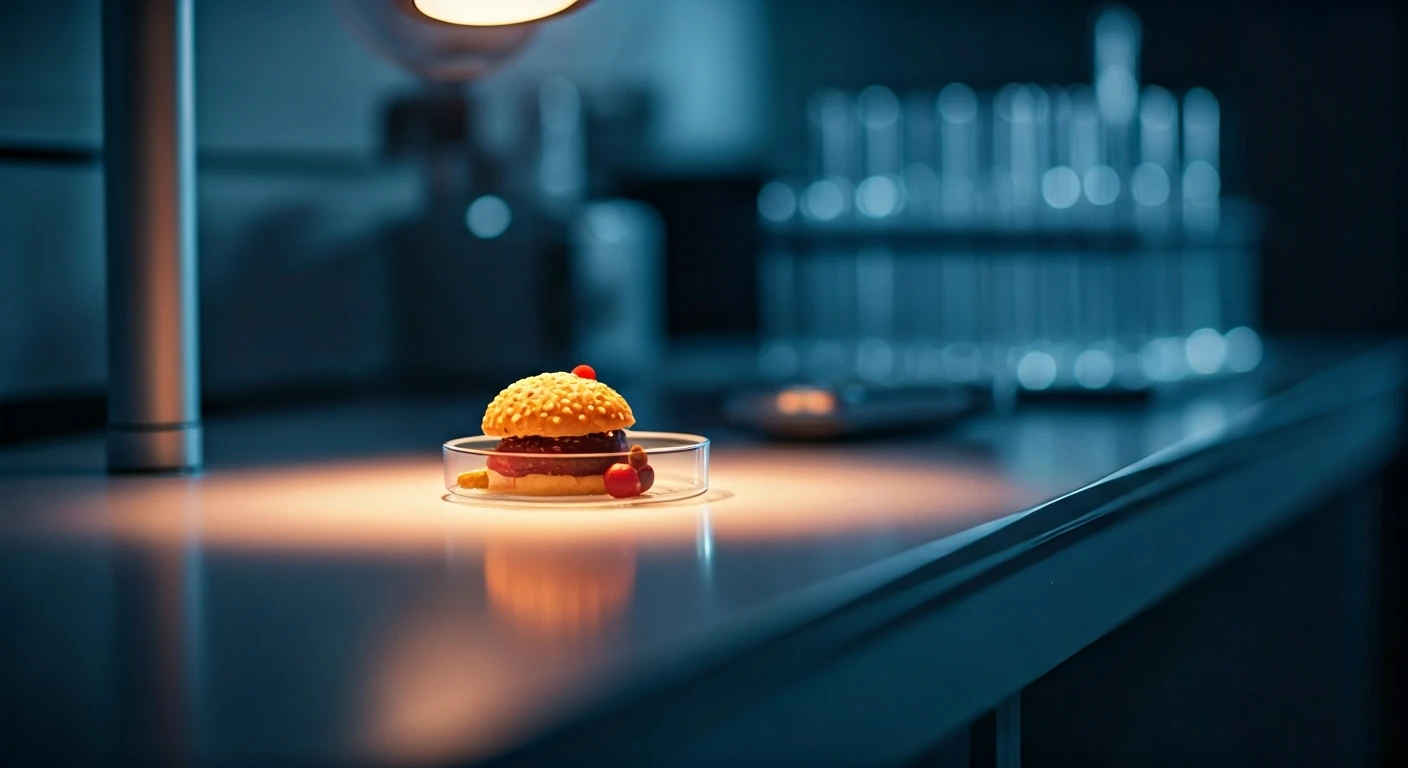
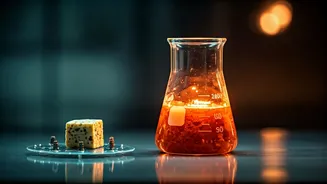
For decades, the process of creating a new snack flavor or soda variety was a highly secretive, clinical affair. It happened in corporate research and development labs, sterile environments designed to control every variable. Food scientists would tweak
formulations, and the results would be presented to a handful of consumers in carefully curated focus groups. These sessions were often held in nondescript office park buildings, where participants would sit around a conference table and rate samples on a scale of one to five. While this method provided quantitative data, it was often divorced from the real-world context in which people actually consume products. The feedback was structured, but it was also artificial. A flavor that scored well under fluorescent lights might not land the same way when someone grabs it from a vending machine on a stressful workday or shares it with friends at a backyard barbecue. The process was effective at preventing disasters, but it rarely captured the magic of genuine consumer excitement.
The New Way: Experiential R&D
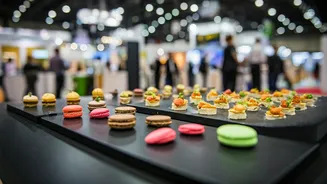
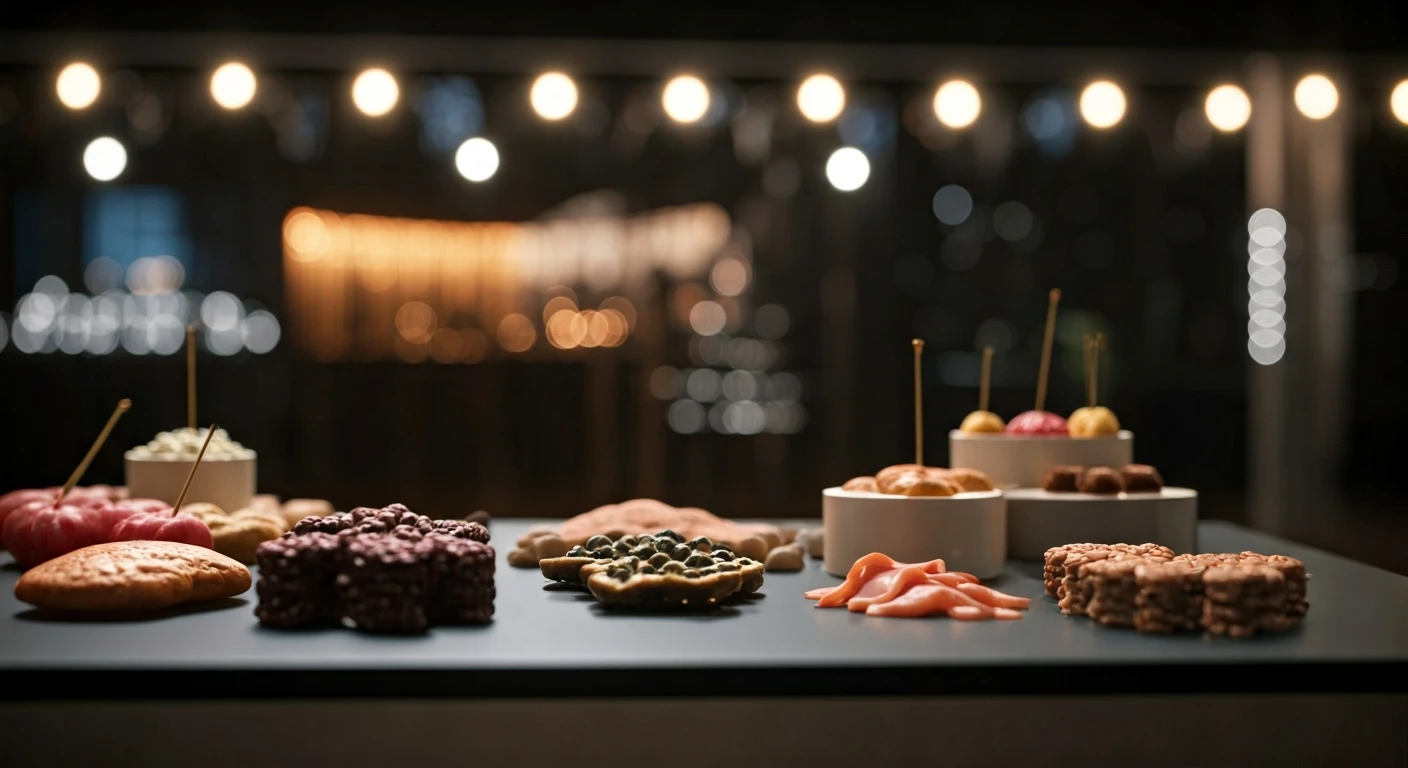
Enter the new frontier: the pop-up tasting lounge, the branded food truck at a music festival, or the interactive booth at a city street fair. Instead of bringing people to the lab, brands are taking the lab to the people. This shift, known as experiential R&D, turns product testing into a public event. Imagine walking through a summer festival and being handed two unreleased versions of a hard seltzer, then asked to vote for your favorite on a giant digital screen. Or picture a snack company setting up a 'build your own flavor' station where your wild combination of spices could actually influence next year's product line. This isn't just about handing out free samples. It's an immersive strategy that gathers feedback in a dynamic, social, and highly authentic environment. Companies are trading the controlled setting of the lab for the chaotic but honest setting of everyday life, believing that the insights gained are far more valuable.
Why Brands Are Making the Switch
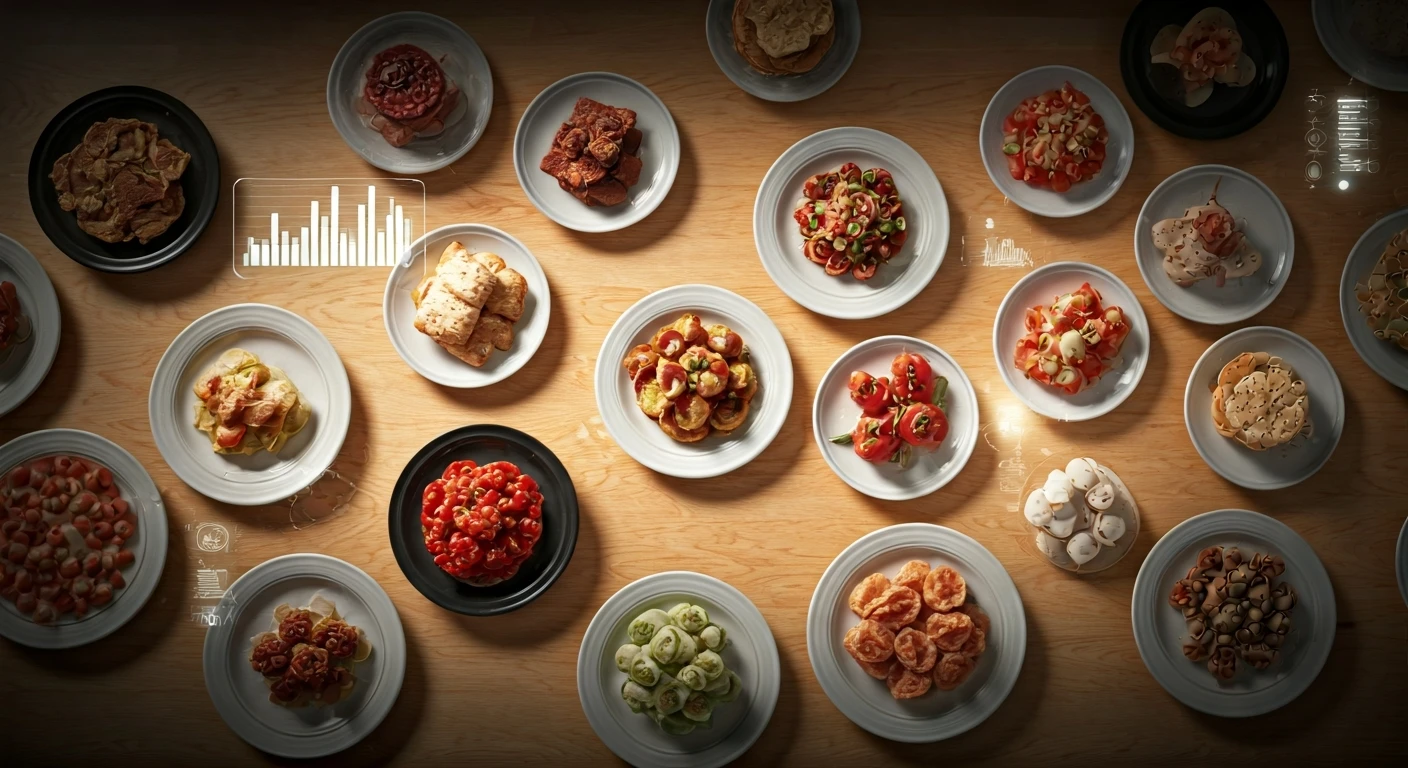
The move to event-based testing is driven by a convergence of powerful business incentives. First, the data is richer. Instead of just a numerical rating, brands can observe genuine reactions, listen to organic conversations, and see how their product fits into a social context. They can also gather information much faster and from a more diverse demographic than a traditional focus group allows. Second, it’s a brilliant marketing hack. An event-based test isn't just an R&D expense; it's a marketing and public relations opportunity. The activity generates social media buzz as attendees post photos and videos of their unique tasting experience. This user-generated content acts as a powerful, authentic endorsement. Finally, it builds community and brand loyalty. By inviting consumers into the creative process, brands are fostering a sense of co-creation. Customers feel heard and valued, transforming them from passive consumers into active brand advocates who are literally invested in the product's success.
A Seat at the Culinary Table
For consumers, this trend is more than just a fun novelty; it represents a fundamental shift in their relationship with the brands they buy. The days of accepting whatever appears on the grocery store shelf are fading. In the age of social media and endless choice, people want to feel a connection to the products they purchase, and they expect their opinions to matter. Event-based flavor testing gives them a direct line to the decision-makers. It democratizes the development process, giving ordinary people a say in what the next big potato chip flavor or energy drink will be. While there's always the chance of 'flavor-bombing' by organized online groups, most companies see the engagement as overwhelmingly positive. It taps into a desire for participation and personalization, making the act of choosing a snack feel less like a transaction and more like a collaboration.