





What Are ‘Clean’ Pet Meals?
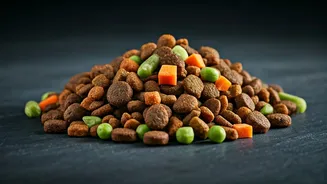
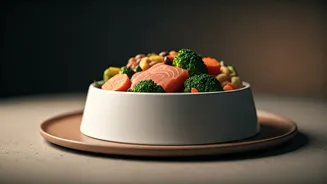
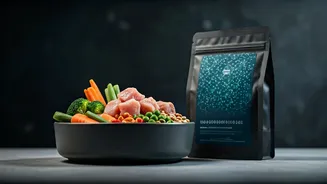
Walk past the bags of brown pellets and you’ll find refrigerators and freezers stocked with what proponents call “clean” pet food. This isn't one specific formula but an umbrella term for a new class of pet nutrition that prioritizes whole, recognizable
ingredients. Think diced carrots, ground turkey, and visible greens, all gently cooked and portioned. The most popular formats include fresh-frozen meals delivered via subscription services, refrigerated logs sold in stores, and freeze-dried raw formulas. The common promise is that these meals are made with “human-grade” ingredients in kitchens that meet the same safety standards as those producing human food, a significant departure from the rendering plants and high-heat extrusion processes used for traditional kibble.
The Rise of the Fur-st Class Eater
The shift toward fresh pet food isn't happening in a vacuum. It’s a direct extension of two major cultural trends: the “humanization” of pets and the broader wellness movement. As more Americans, particularly millennials, delay or opt out of having children, pets have increasingly been elevated to the status of family members. We buy them orthopedic beds, track their locations with GPS collars, and, naturally, scrutinize what they eat. This mirrors the evolution in our own diets. Just as consumers demand transparency, clean labels, and organic ingredients for themselves, they are now demanding the same for their four-legged companions. The subscription model, popularized by companies like Blue Apron for humans, provided the perfect delivery mechanism for this new standard of pet care.
The Science and the Hype
Companies in the fresh pet food space make bold claims, often backed by glowing testimonials from customers. They promise benefits ranging from shinier coats and healthier digestion to renewed energy in senior dogs and relief from allergies. The logic is that less-processed foods with higher moisture content and no artificial fillers are more bioavailable and easier on a pet’s system. While many pet owners swear by the results, it’s important to separate marketing from established science. The world of veterinary nutrition is cautious. There is a lack of large-scale, peer-reviewed studies directly comparing the long-term health outcomes of dogs fed fresh diets versus those on high-quality, traditionally formulated kibble. Many of the perceived benefits, while real to the owners, remain anecdotal from a scientific standpoint.
What Do Veterinarians Say?
The veterinary community offers a mixed but critical perspective. On one hand, vets appreciate the focus on high-quality ingredients and owner engagement. On the other hand, they raise significant concerns. The primary worry is nutritional completeness. A diet, whether cooked at home or by a boutique company, must be properly balanced with the right ratio of vitamins, minerals, and nutrients for a specific animal’s life stage. An improperly formulated diet can lead to serious health issues over time. This is why veterinarians often stress the importance of choosing a brand that employs veterinary nutritionists and conducts feeding trials according to standards set by the Association of American Feed Control Officials (AAFCO). Many traditional kibble brands have decades of research behind them, a track record most newer companies lack.
Considering the Cost and Commitment
Perhaps the biggest barrier to entry for most pet parents is the price tag. Fresh food is significantly more expensive than kibble. A month's supply for a medium-sized dog can easily run over $200, compared to perhaps $50-$70 for a large bag of premium kibble. This cost reflects the higher price of human-grade ingredients and the logistics of cold-chain shipping. There’s also the commitment factor. Subscription services require you to manage deliveries and dedicate freezer or refrigerator space. For many, the convenience of scooping dry food from a bag is a major lifestyle advantage that’s hard to give up. The decision to switch often comes down to a household calculation of budget, convenience, and perceived health benefits for a beloved pet.