

The Champagne of Teas
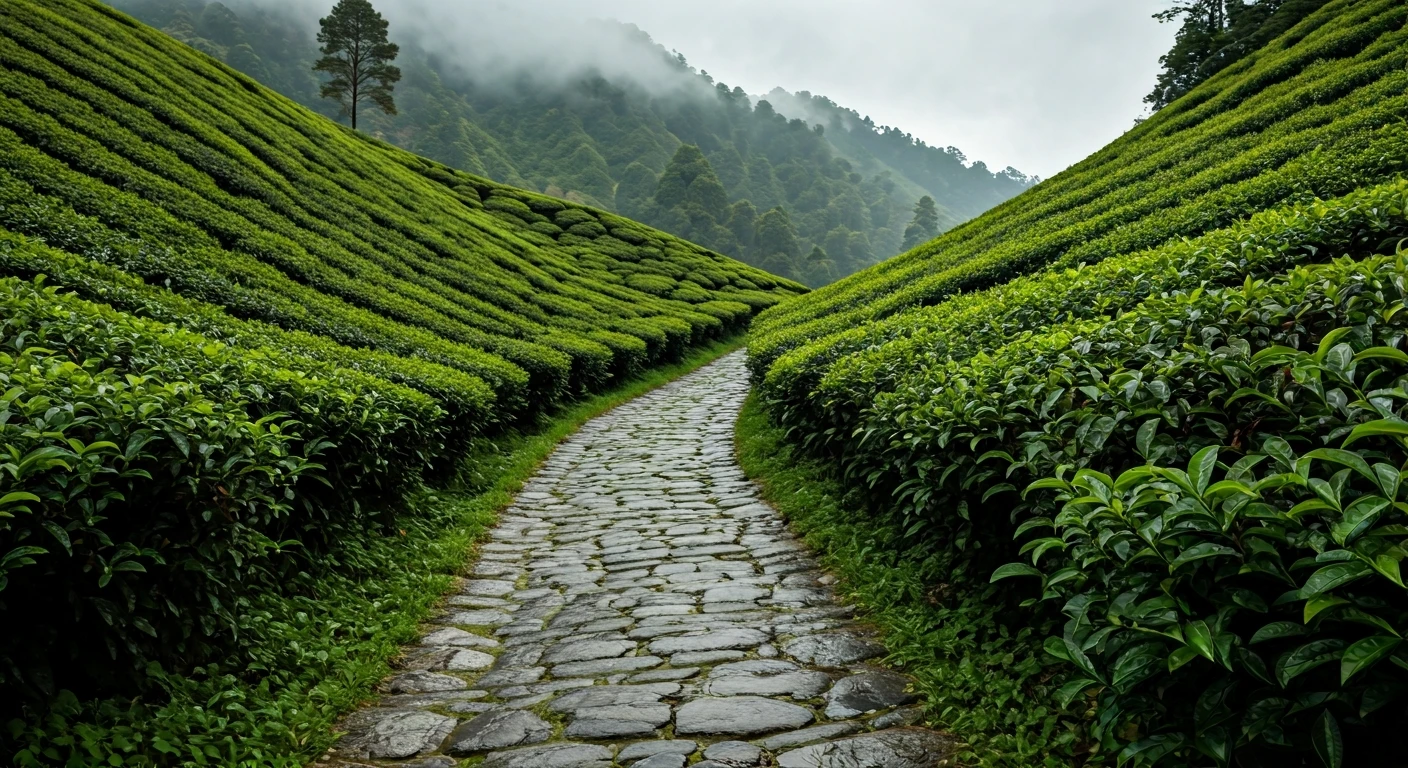
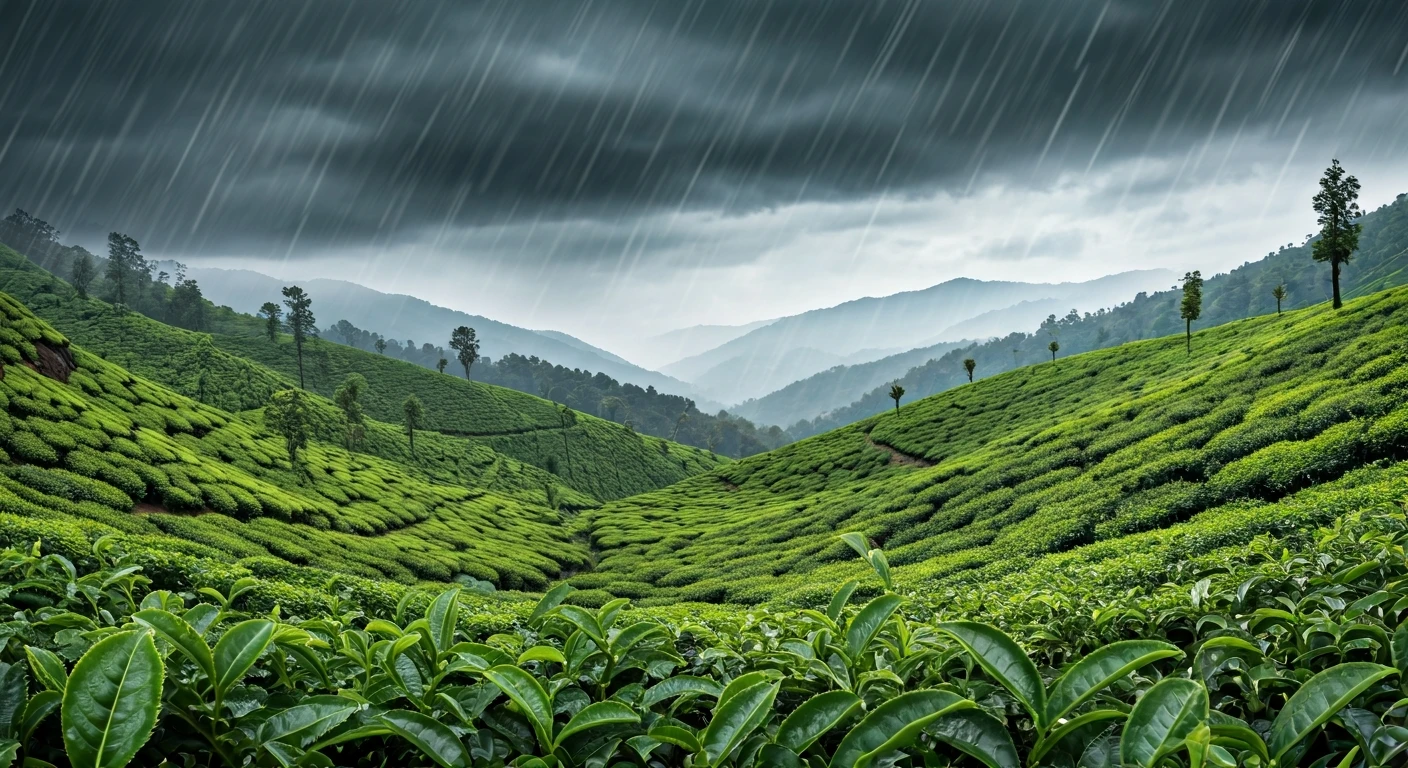
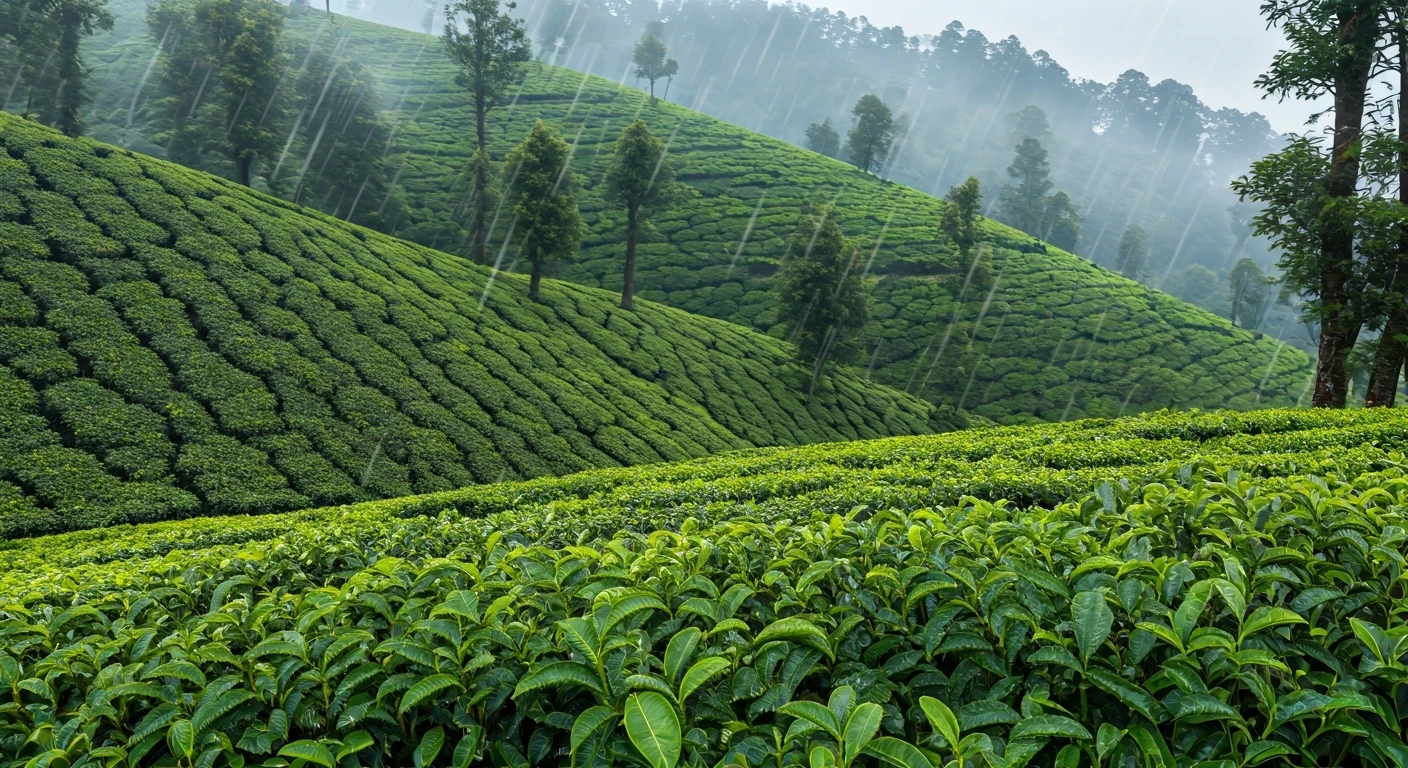
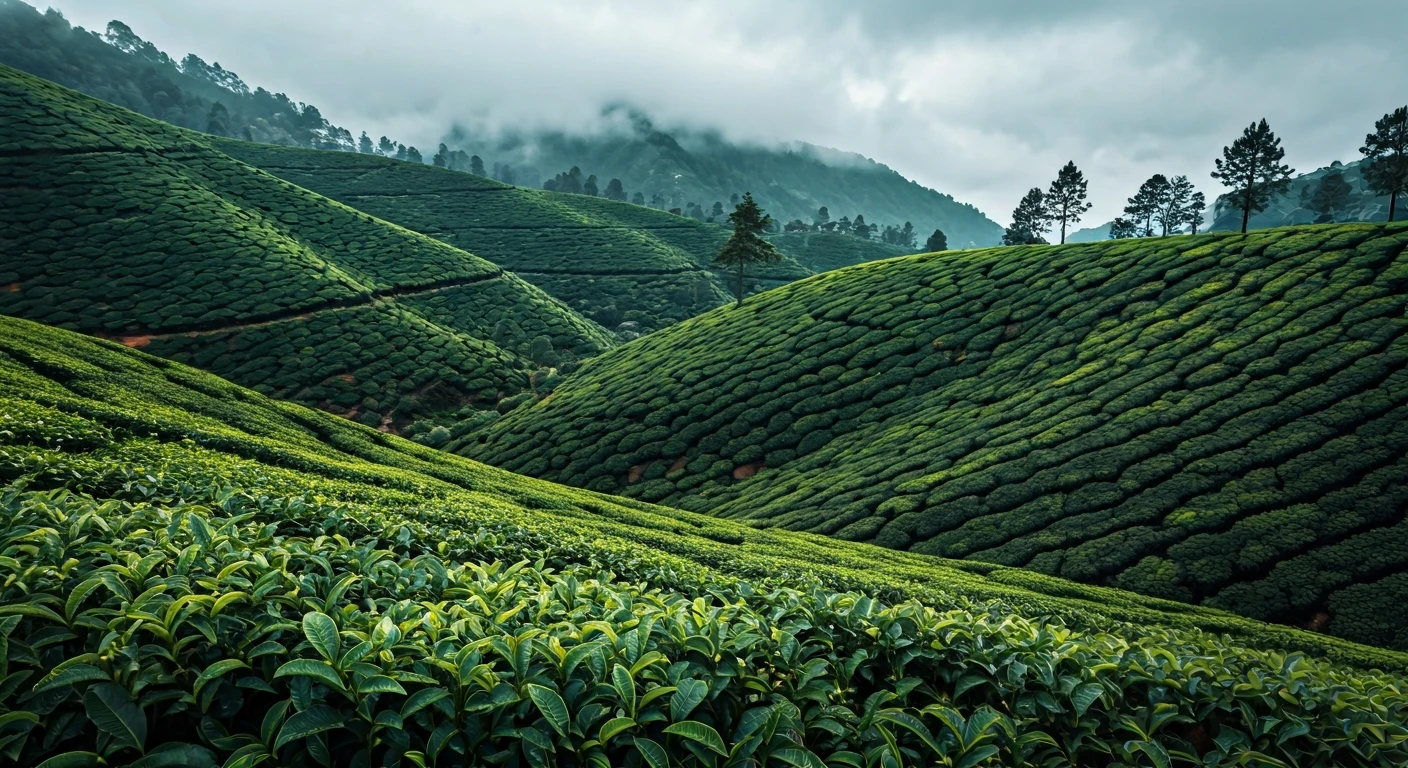
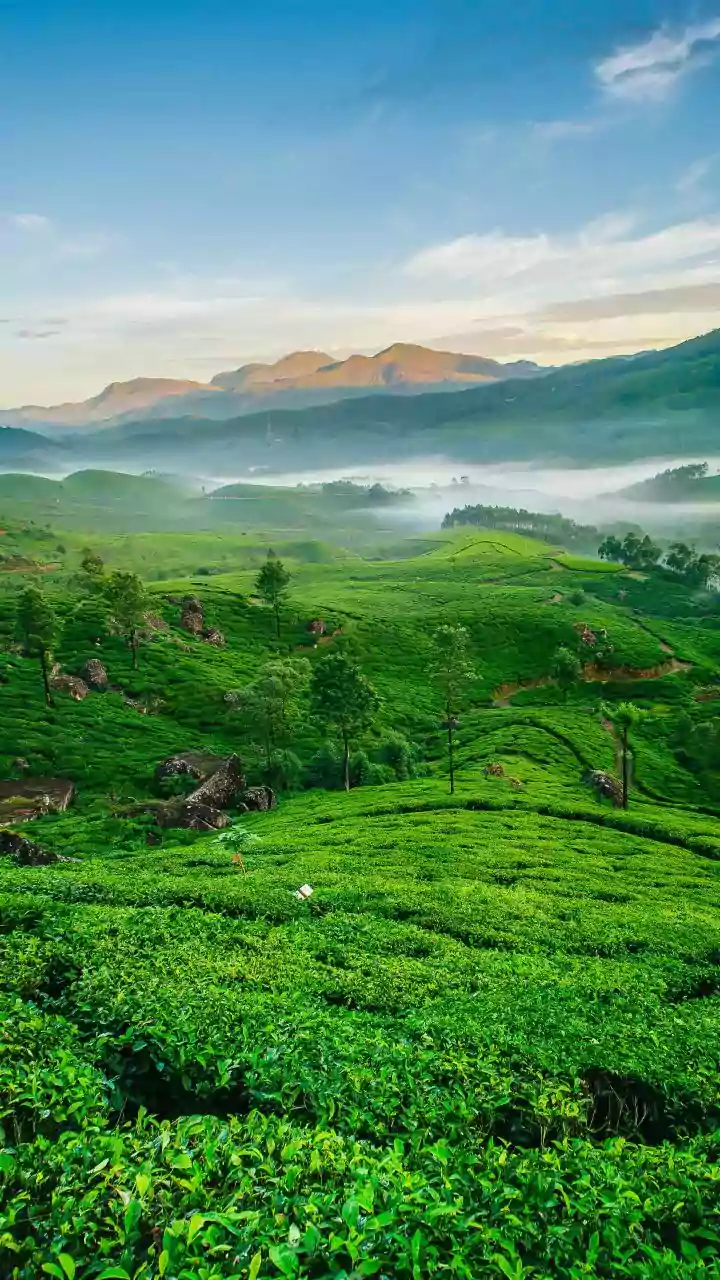
Long before it became a coveted destination, Darjeeling’s identity was steeped in tea. This isn’t the generic stuff in your morning mug. Darjeeling tea is known as the “champagne of teas” for a reason. Grown on steep, emerald-green terraces that cascade
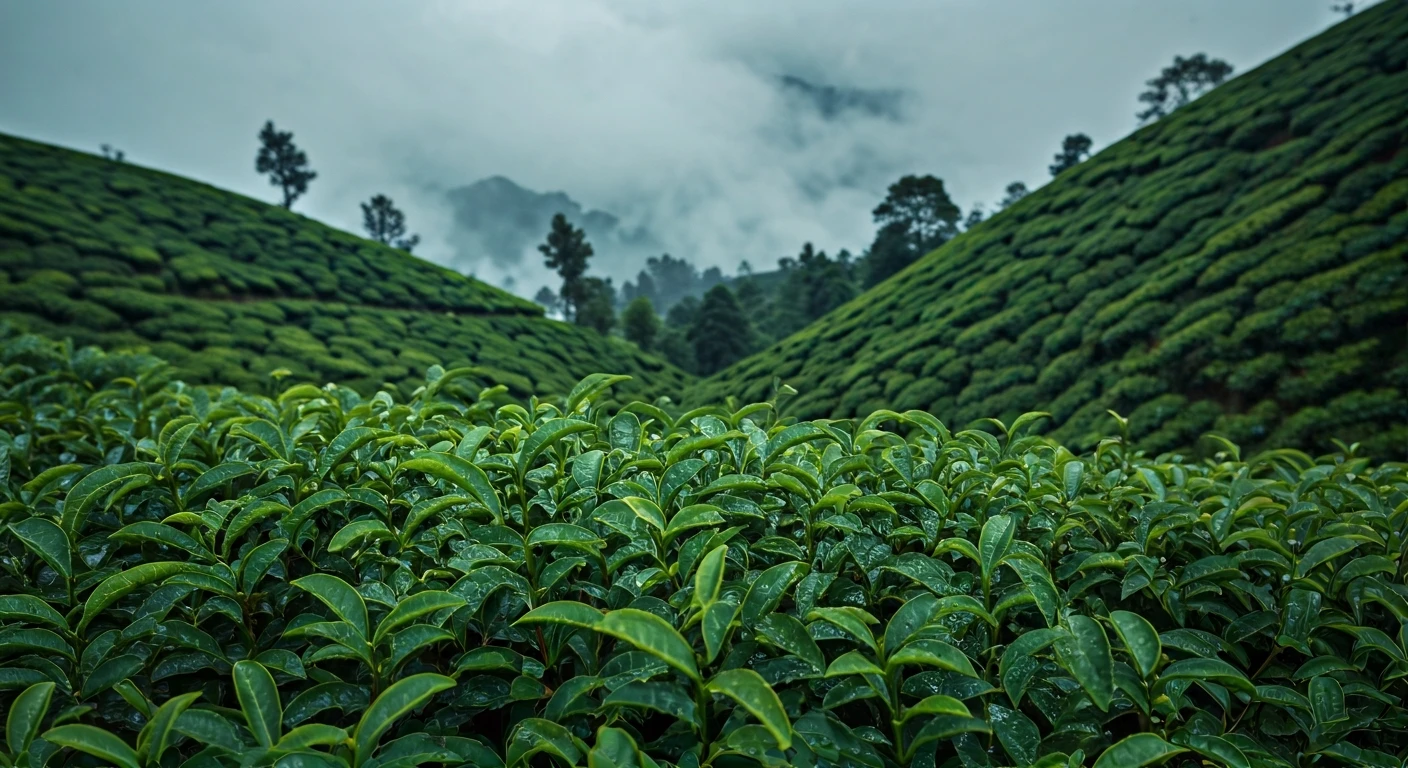
down the Himalayan foothills, these leaves are nurtured by a unique combination of high altitude, cool air, and, crucially, the monsoon mists. The result is a delicate, floral, and complex flavor profile that cannot be replicated anywhere else on Earth. Visiting a tea estate here, like the historic Makaibari or the luxurious Glenburn Tea Estate, is to step into a living tradition. You can watch workers pluck the tender “two leaves and a bud” with practiced hands, see the leaves wither and oxidize in colonial-era factories, and, of course, taste the difference between the light, fresh first flush and the coveted, fruity muscatel of the second flush. The tea isn't just a crop; it's the economic and cultural backbone of the entire region, its history intertwined with that of the British Raj and the Gorkha people who have cultivated it for generations.
A Journey on the Toy Train
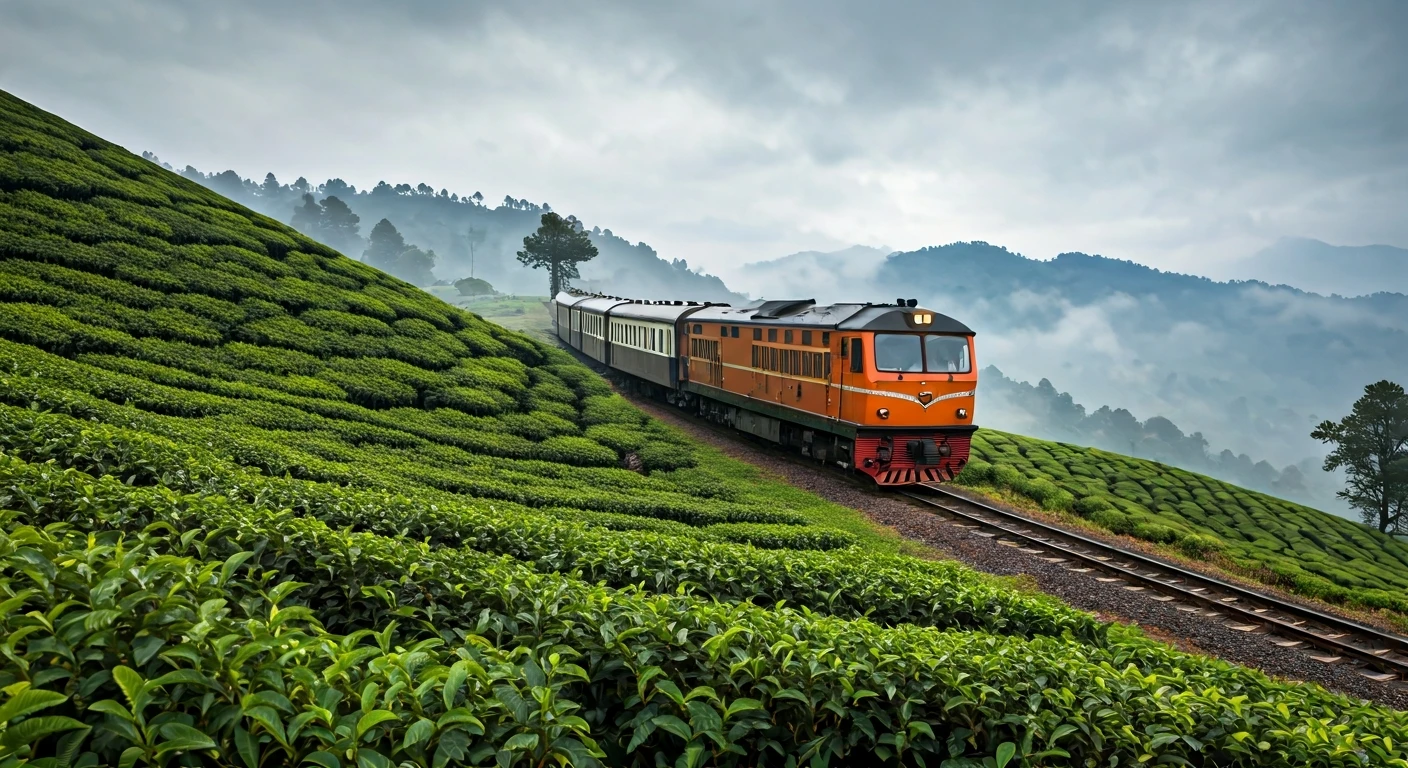
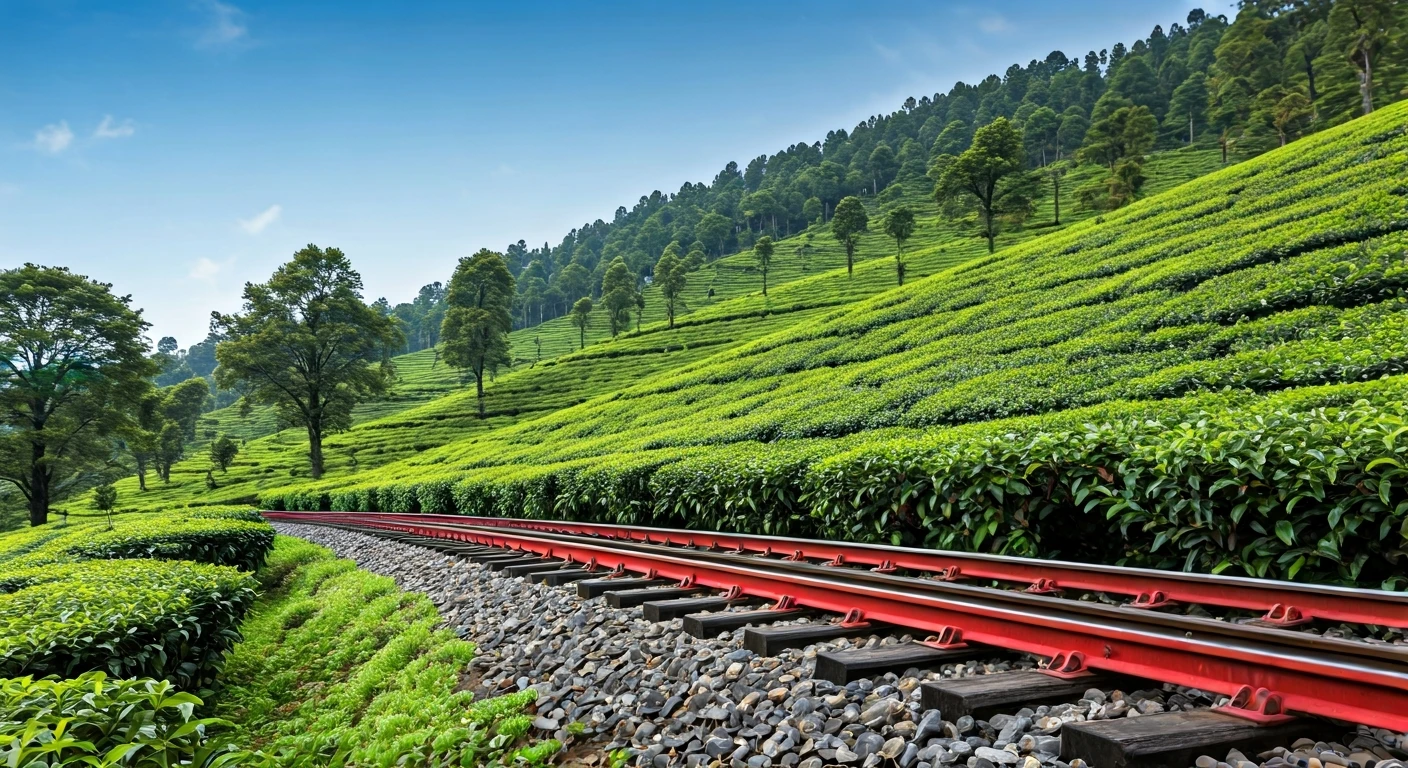
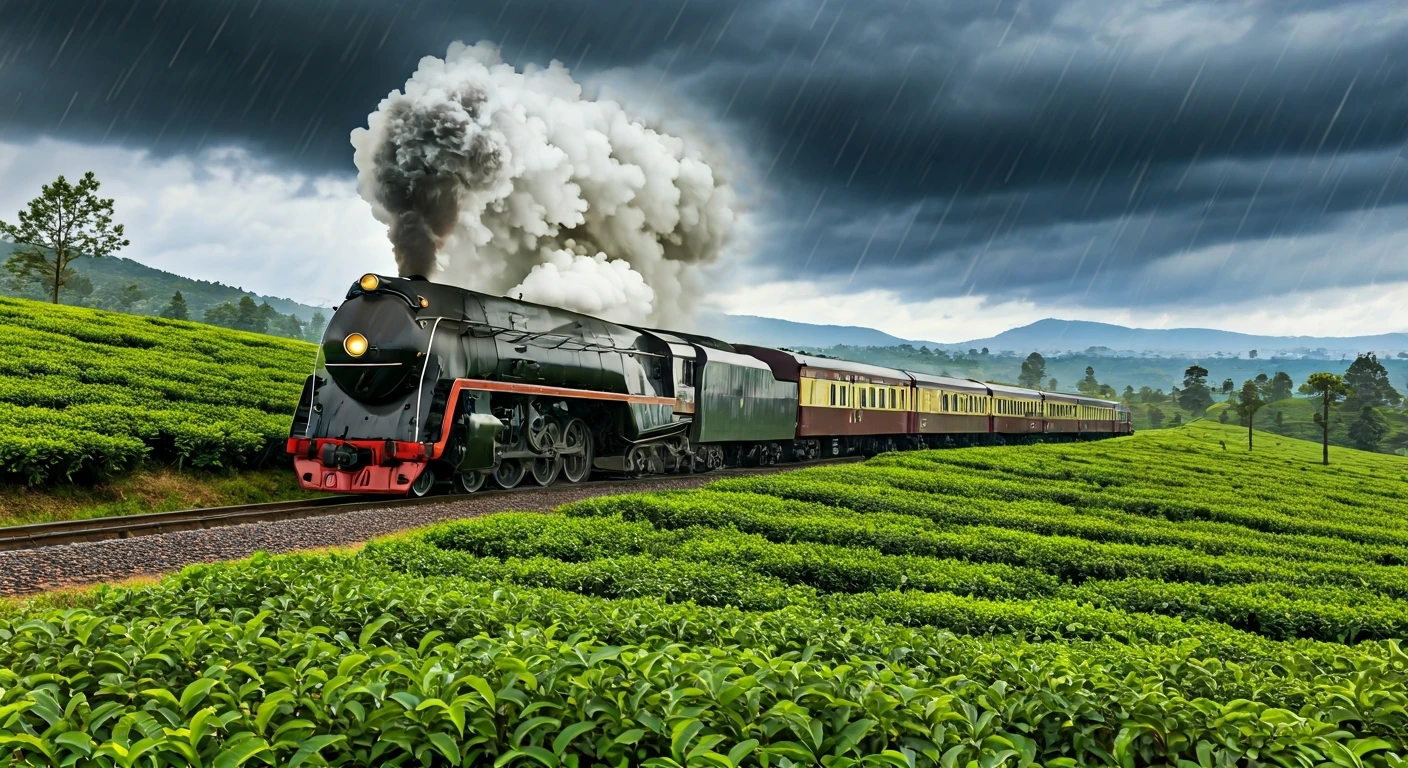
The story of Darjeeling tea is inseparable from the story of its equally famous train. How did those precious leaves get from these remote mountainsides to the rest of the world? The answer is the Darjeeling Himalayan Railway, affectionately known as the “Toy Train.” This engineering marvel, a UNESCO World Heritage Site, is a tiny, narrow-gauge train pulled by a puffing steam or diesel engine that seems to have chugged straight out of a storybook. Completed in 1881, it was built to transport tea and people along a seemingly impossible route. The train climbs over 6,500 feet, navigating precipitous slopes through a series of ingenious loops and switchbacks, including the famous Batasia Loop, which offers a breathtaking 360-degree view of Darjeeling town against the backdrop of the snow-capped Kanchenjunga, the world's third-highest peak. A ride on the Toy Train isn't about speed; it's about surrender. As it clatters through bustling market towns, past waterfalls, and alongside terraced fields, you’re not just a tourist but a participant in a 140-year-old adventure.
The Romance of the Rain
For many travel destinations, rain is a spoiler. In Darjeeling, it’s a key part of the main event. The monsoon, which sweeps in from the Bay of Bengal from June to September, is the soul of the region. It’s the rain that coaxes out the prized second flush from the tea bushes and blankets the landscape in a hundred shades of green. But more than its agricultural importance, the rain creates an atmosphere of unparalleled romance and mystery. The world outside your window softens, as thick fog erases the horizon and reduces the world to your immediate surroundings. The sound of raindrops on a corrugated tin roof becomes the soundtrack to your afternoon. It's the perfect excuse to find a cozy café, order a pot of fresh tea and a plate of hot momos (Tibetan dumplings), and watch the clouds drift by. The rain forces a slower, more contemplative pace of life. It’s in these quiet, misty moments—looking out from a colonial-era hotel or walking through a fog-drenched bazaar—that the true magic of Darjeeling reveals itself, a moody, beautiful, and deeply restorative experience.