


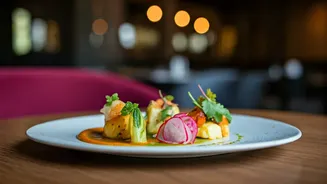
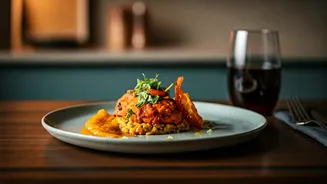


A Pop of Unexpected Green
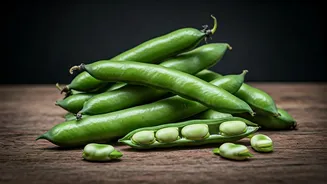
For many Americans, fava beans evoke images of Mediterranean salads or a classic Italian pairing with chianti. They are the darlings of spring farmers' markets, prized for their sweet, nutty flavor and creamy texture once liberated from their tough pods
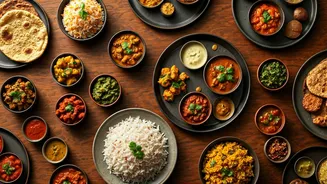
and waxy skins. So, seeing them appear in a simmering pot of sabzi or blended into a vibrant chutney can feel like a delightful category error. Yet, this is exactly what’s happening in modern Indian cooking, both in restaurants run by innovative chefs and in the homes of creative diaspora cooks. The fava bean, with its distinct seasonality and flavor profile, is elbowing its way into a cuisine already rich with legumes, proving that there's always room for one more.
The Bean's Hidden History
Before you label this a modern fusion folly, it’s important to know that fava beans aren’t complete newcomers to the subcontinent. In Western India, particularly in Maharashtra and Gujarat, the dried and peeled version of the bean, known as 'vaal' or 'bakla,' has been a regional staple for generations. These dried beans have a much deeper, earthier flavor and a firmer texture than their fresh counterparts. They're often sprouted and cooked into hearty, spiced curries like 'vaala che birde,' a classic Maharashtrian dish. However, their use has been largely confined to these specific regions and this particular dried form. What's new isn't the bean itself, but the celebration of its fresh, green, and tender state, which was rarely the star of the show in traditional recipes.
From Regional Staple to Global Star
So why the sudden surge in popularity? The shift is being driven by a confluence of factors, primarily rooted in the Indian diaspora. Chefs and home cooks in North America and Europe have access to beautiful, fresh fava beans during their short spring season. This seasonal bounty inspires creativity. Instead of sticking strictly to tradition, they're asking, "What if?" What if that beautiful green color could liven up a bowl of poha? What if its creamy texture could be used in a dip instead of chickpeas? This spirit of experimentation is a hallmark of modern Indian food. Furthermore, the fava bean aligns perfectly with contemporary wellness trends—it's a fantastic source of plant-based protein and fiber. Its photogenic, vibrant green hue also doesn’t hurt in the age of Instagram, where a dish’s visual appeal is part of its story.
A New Culinary Canvas
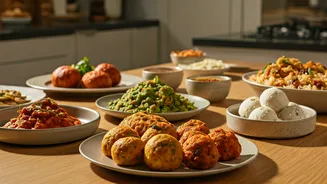
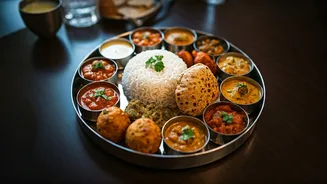
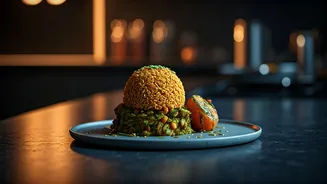
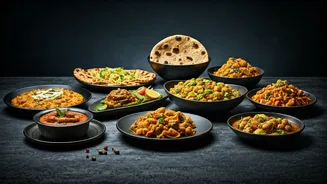
The applications are as creative as they are delicious. You might find fava beans tossed into a modern 'chaat' with yogurt and tamarind chutney, where their buttery bite contrasts with the crunchy sev. Some cooks are replacing potatoes or paneer with fava beans in classic curry bases, creating lighter, spring-forward versions of beloved dishes. Others are blending them with cilantro, mint, and green chilies to make a novel chutney, or mashing them with spices to form the filling for a new kind of 'tikki' or cutlet. They’re being scattered over biryanis for color and texture or simply stir-fried with mustard seeds and curry leaves for a quick, elegant side dish. Each new application demonstrates that Indian cuisine isn't a static museum piece but a dynamic, living language that can adopt new words and create new poetry.